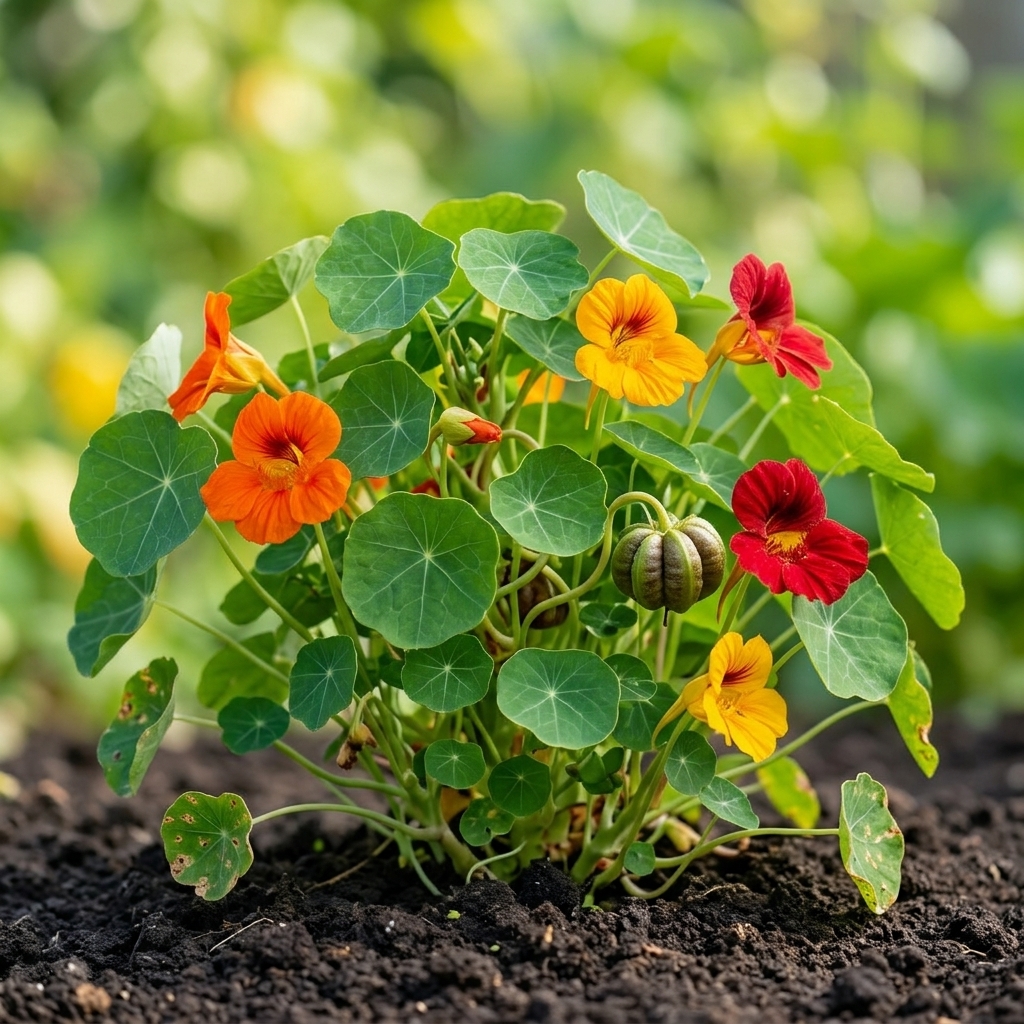
Climbing Nasturtium
Tropaeolum majus
Orange edible climbing flowers, peppery and hot, striking and decorative.- Rich in isothiocyanates, natural antibacterials against urinary infections
- Exceptional source of vitamin C, beta-carotene and lutein
- Aphid sacrificial plant, a natural protector of the vegetable garden
Origine des graines : Pays-Bas
Certification bio NL-BIO-01.528-0006532.2025.002
GTIN : 3770042795017
Plant Profile

Cultivation Calendar
Growing Tips
Climbing Nasturtium Sowing: Simple Method and Guaranteed Results
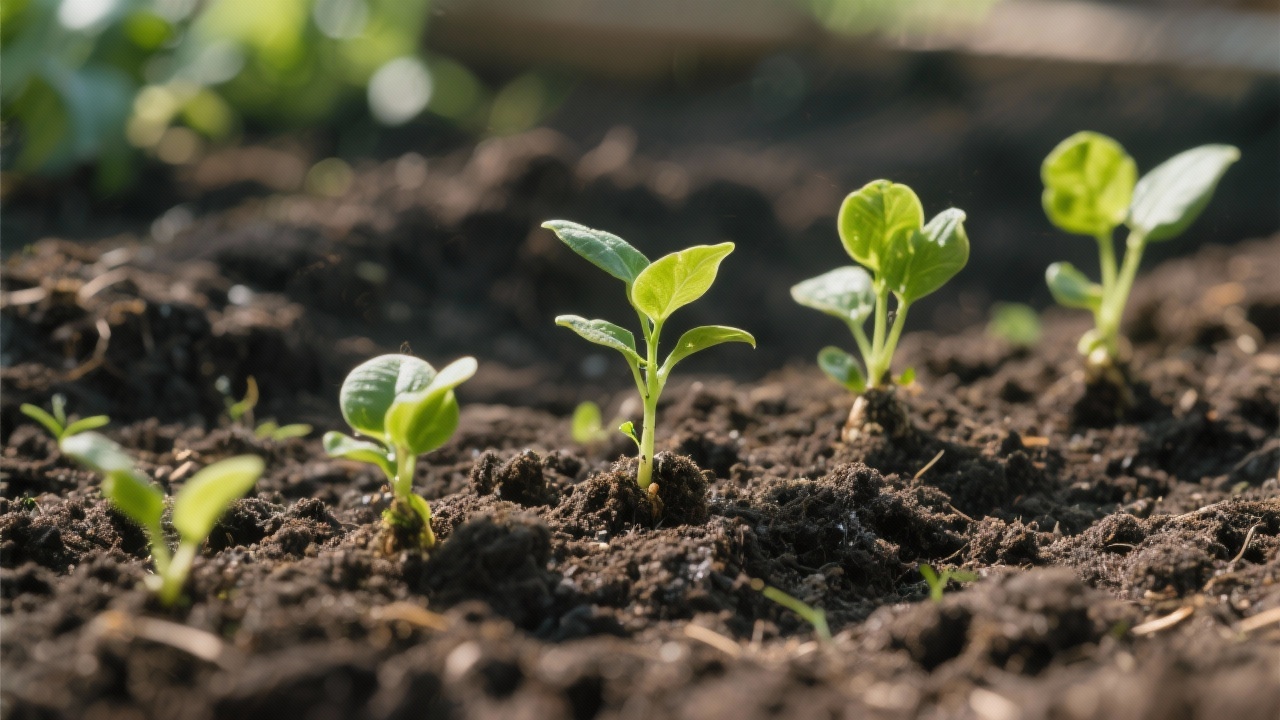
Climbing nasturtium (Tropaeolum majus) is one of the easiest and most generous annual plants in the garden. Sowing is done directly in open ground from late April after the last frosts, or indoors in March for earlier flowering. The large seeds are sown individually at 2 to 3 cm depth, spaced 15 cm apart, in slightly moist soil. Germination is rapid and reliable: expect emergence in 7 to 12 days at a temperature of 15 to 20°C. No special pre-treatment is needed, although soaking seeds in warm water for 12 hours before sowing slightly accelerates germination. Sow 2 seeds per location to guarantee germination.
Rapid Development of Young Nasturtium Plants
Young nasturtium plants develop very quickly and are virtually indestructible. They tolerate poor soils, forgotten waterings and even a few degrees of light temporary frost. Remove one of the two plants per location once they reach 10 cm. Climbing nasturtium can reach 2 to 3 meters in length in a single season: provide a solid support (trellis, wire netting, fence). If sowing indoors in March, plant outdoors after 15 May, taking care not to disturb the sensitive taproot.
- Temperature: 15–20°C, rapid germination 7–12 days
- Humidity: Slightly moist soil, no waterlogging
- Light: Normal, no special requirement
- Transplanting: Possible but avoid (sensitive taproot)
Key Points
- Temperature: 15–20°C, germination 7–12 days
- Humidity: Slightly moist soil
- Light: Normal
- Transplanting: Direct sowing strongly preferred
Establishing Climbing Nasturtium
Climbing nasturtium is established at the foot of a solid support from 15 May: trellis, fence, lattice, pergola or arbor. Choose a semi-sunny to sunny position with well-drained soil. Paradoxically, nitrogen-poor soil promotes more abundant flowering: overly rich soil produces lots of leaves but few flowers. Do not fertilize the soil for nasturtium. Install the support before planting to avoid damaging the young climbing shoots. Climbing nasturtium can cover up to 6 to 8 m² in a season under good conditions.
Planting Out and Initial Guiding
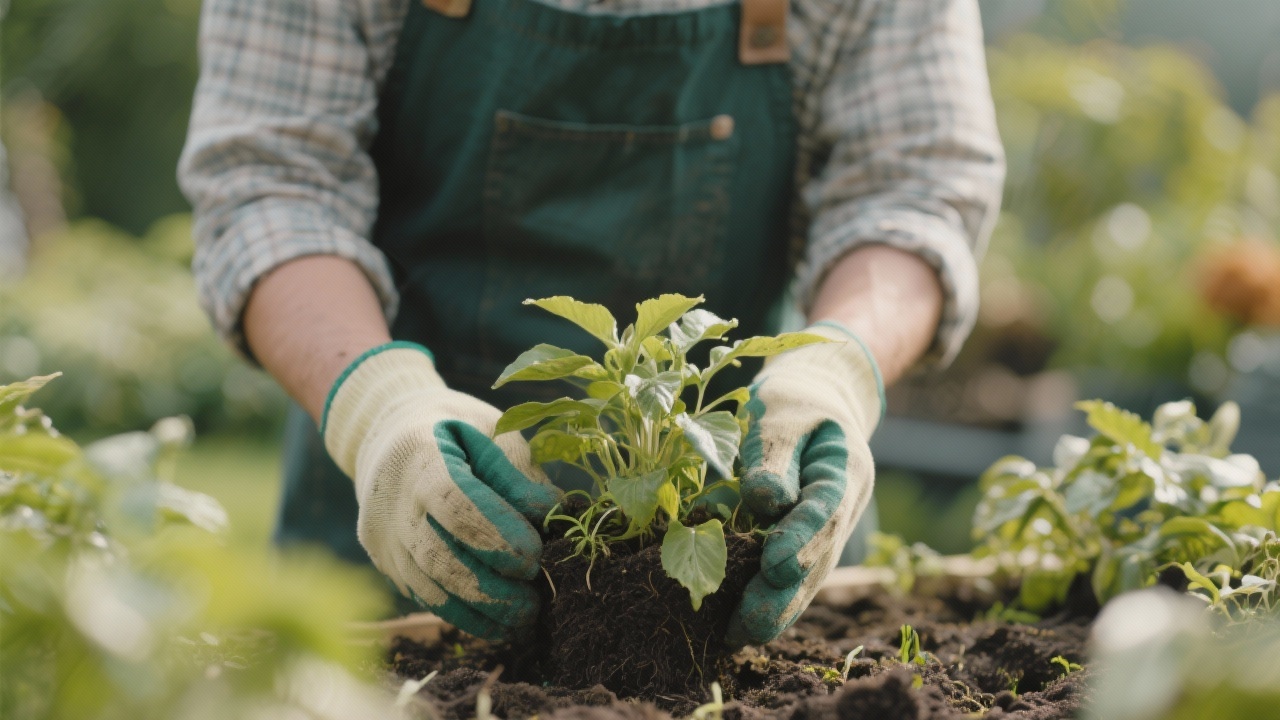
Install plants (or sow directly) at 25 to 30 cm from the foot of the support. Water moderately at planting. The first tendrils and leaves naturally seek a support to cling to: guide the first stems toward the support to help them begin climbing. Very moderate watering is the rule: climbing nasturtium is remarkably drought-tolerant and produces more flowers when slightly water-stressed. Mulch lightly around the base.
- Depth: 2–3 cm, direct sowing at the base of support
- Spacing: 25–30 cm from the support
- Watering: Very moderate, prefer poor soil
- Support: Solid trellis, netting or lattice essential
Key Points
- Depth: 2–3 cm at the base of support
- Spacing: 25–30 cm from support
- Watering: Very moderate
- Support: Solid trellis essential
Minimal Care for Climbing Nasturtium
Climbing nasturtium requires practically no care. The more you neglect it, the more it flowers: above all, avoid fertilizing, as any nitrogen input will favor vegetative growth at the expense of flowering. Water only during prolonged dry spells. Guide the stems toward the support for the first few weeks then let the plant develop freely. Removal of spent flowers slightly prolongs flowering but is not essential. At season's end, leave some flowers to form green seeds (excellent vegetable capers) and some ripe seeds for self-seeding the following year.
Pests and Protective Role in the Vegetable Garden
Nasturtium is deliberately used as a sacrificial plant to attract black aphids and protect other crops. Its stems and leaves can be colonized by thousands of aphids without really suffering. This property is precious in organic vegetable gardening: plant a few nasturtiums away from susceptible vegetables to divert aphids. Whiteflies may also settle on foliage. Red spider mite can be problematic in very hot, dry conditions in containers: increase ambient humidity. Nasturtium attracts hoverflies, natural predators of aphids, contributing to biological balance in the garden.
- Soil type: Any type, preferably poor, drained, pH 5.5–7.5
- Care: Near zero, above all do not fertilize
- Watering: Very low, only in severe drought
- Prevention: Sacrificial aphid plant, attracts hoverflies
Key Points
- Soil type: Poor preferred, well-drained
- Care: Do not fertilize!
- Watering: Very low
- Prevention: Aphid sacrificial plant
Harvesting Flowers, Leaves and Seeds of Climbing Nasturtium
All parts of climbing nasturtium are edible: flowers, young leaves and young fruits (nasturtium capers). Flowers are harvested at full opening by gently pulling on the flower stalk. Regular harvesting stimulates continuous flower production throughout the season. Young round leaves, tender and peppery, are harvested once they reach 5 to 7 cm in diameter. Immature green fruits, harvested a few days after flowering, make the famous nasturtium capers which can replace true capers in cooking. Ripe brown seeds are harvested at season's end for the following year's sowings.
Preserving the Different Harvested Parts
Fresh flowers keep only 12 to 24 hours in the refrigerator. They freeze well in ice cubes for later use in cocktails. For nasturtium capers, pickling in salted cider vinegar is the most traditional preservation method: harvested young fruits are washed, soaked for 2 days in salted water to remove bitterness, then packed in flavored vinegar. These capers keep 1 to 2 years and have a flavor close to Mediterranean capers with an additional peppery nasturtium touch.
- Period: June until frosts, continuous production
- Stage: Flowers at full opening, young leaves, immature green fruits
- Method: Delicate hand picking, regular harvesting
- Storage: Flowers 24h fridge, capers in vinegar 1–2 years
Key Points
- Period: June–frosts, continuous
- Stage: Open flowers, young leaves, green fruits (capers)
- Method: Delicate and frequent picking
- Storage: Flowers 24h fridge, capers in vinegar 1–2 years
Nasturtium: Queen of Peppery Edible Flowers
Climbing nasturtium is one of the most versatile and well-known edible flowers in cooking. Its large trumpet-shaped flowers in orange, yellow or red have a peppery and spicy flavor, reminiscent of watercress or radish, with a hint of hazelnut. They spectacularly garnish salads, fresh cheeses and appetizer platters. Stuffed with a mixture of fresh goat cheese, herbs and lemon, they make a refined and colorful starter. Young round leaves, slightly milder than the flowers, are incorporated into salads, sandwiches and pesto. Nasturtium capers, made from young fruits, make a remarkable substitute condiment, peppery and tangy.
Nutritional Properties and Medicinal Benefits
Nasturtium is naturally rich in benzyl isothiocyanates, compounds with powerful antibacterial and antifungal properties used in certain natural antibiotics. It is also rich in vitamin C (among the highest content of leaf vegetables), beta-carotene, lutein and minerals. Nasturtium essential oils have antiseptic properties for the respiratory tract. In phytotherapy, leaves and flowers are used against mild urinary and respiratory infections. Nasturtium extract is incorporated into shampoos and hair care products for its stimulating and antiseptic properties.
- Flavor profile: Peppery, spicy, watercress, light hazelnut
- Classic uses: Flower salads, stuffed flowers, vinegar capers, pesto
- Best pairings: Fresh cheese, radish, rocket, beetroot, lemon
- Storage: 24h fridge, vinegar capers 1–2 years, frozen ice cubes
Key Points
- Flavor profile: Peppery, spicy, watercress, hazelnut note
- Classic uses: Flower salads, stuffed flowers, capers
- Best pairings: Fresh cheese, radish, rocket, lemon
- Storage: 24h fridge or vinegar capers