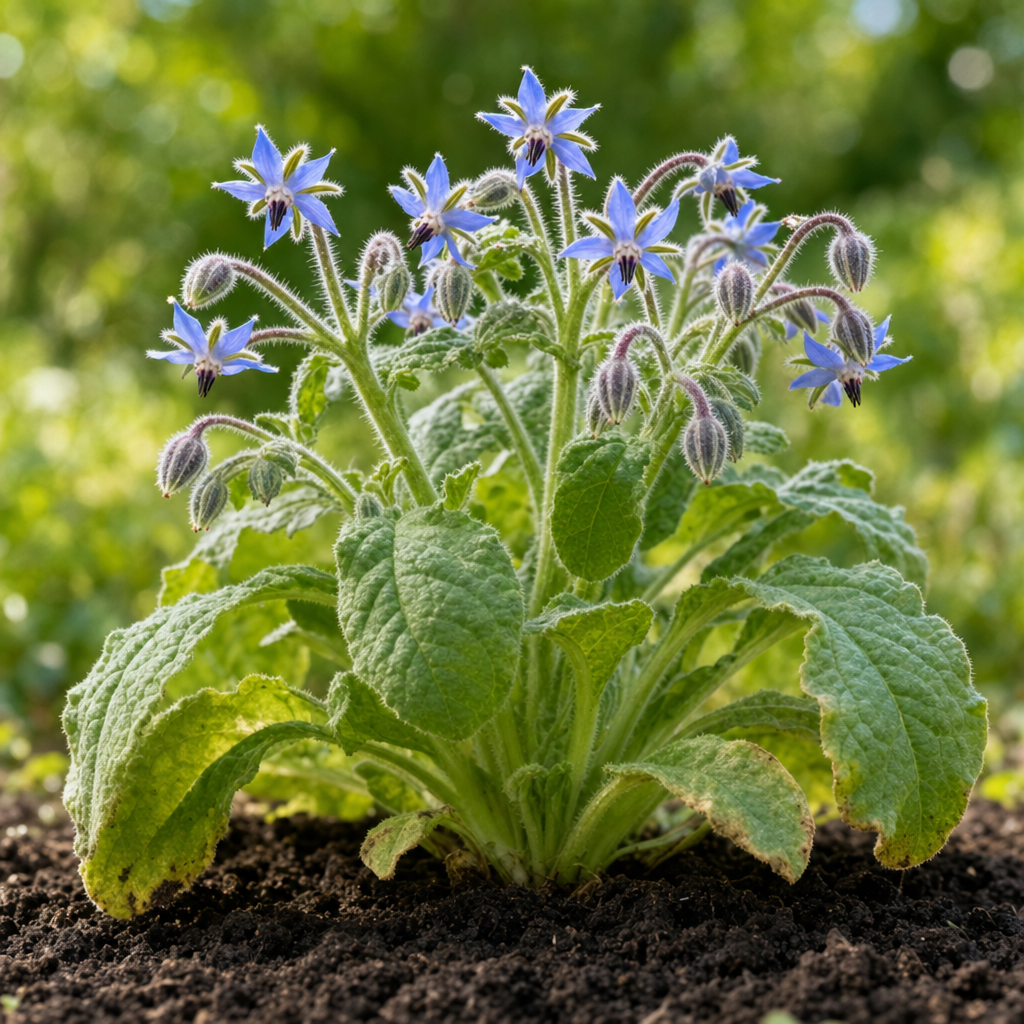
Borage
Borago officinalis
Edible blue flowers with a cucumber scent.- Promotes biodiversity and attracts pollinators
- Easy to grow in vegetable gardens and containers
- Decorative and edible addition to the vegetable garden

Pays-Bas

Plant Profile

Cultivation Calendar
Growing Tips
Sowing Borage
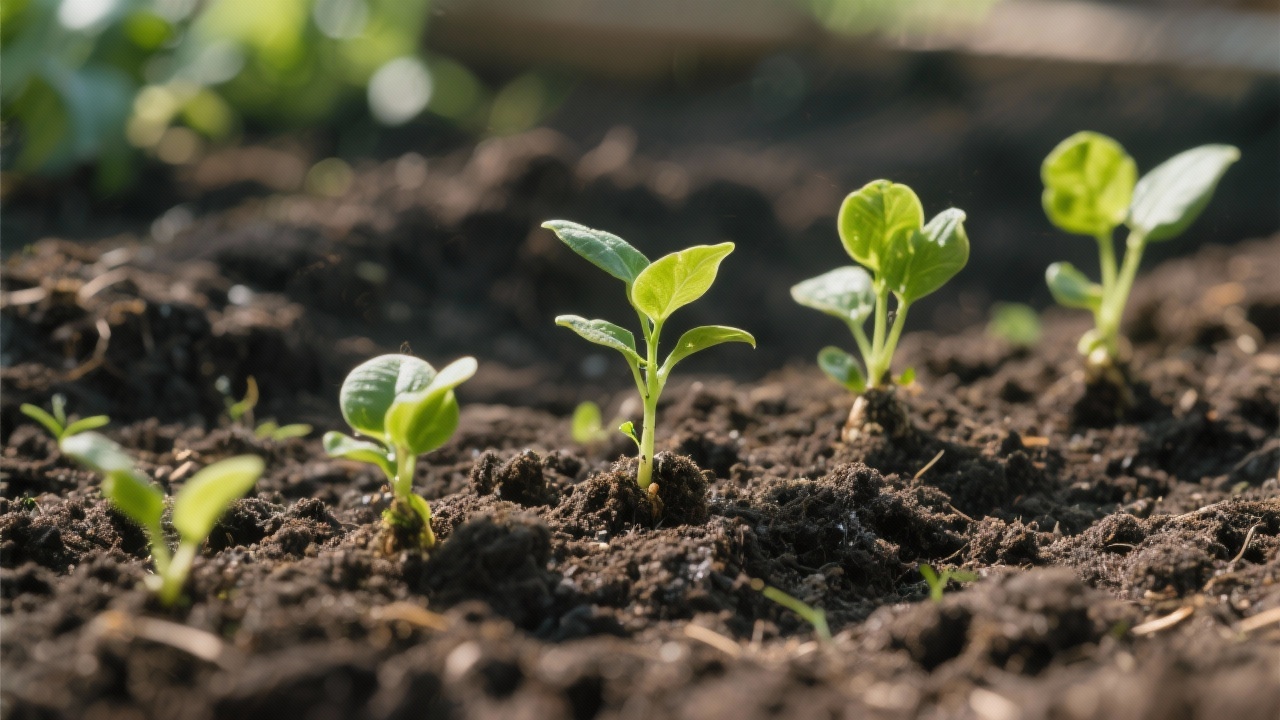
Sow under cover or in place when the soil reaches 12–15 °C. Use a light and well-draining substrate, maintain regular moisture without excess. Germination occurs in 7 to 14 days. Direct sowing is recommended: borage does not transplant well.
Key Points
- Temperature: 15–20 °C
- Moisture: Moist substrate, not waterlogged
- Light: Full sun after germination
- Transplanting: 3–4 true leaves
Conditions and Preparation for Planting Borage
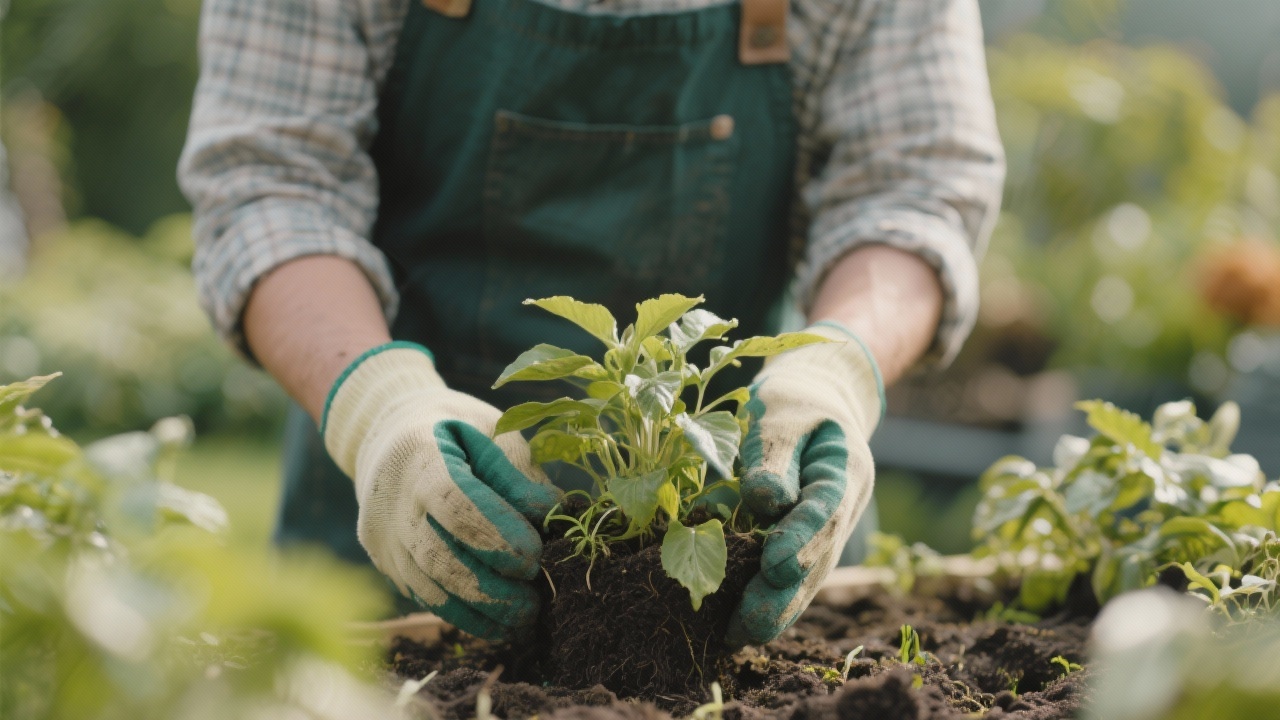
Borage (Borago officinalis) is planted after frost, when the soil reaches 12 to 15 °C. It prefers a light, well-drained, sunny soil enriched with compost. Install the plants with the collar level with the soil, without burying the leaf crown.
Key Points
- Depth: Collar level with the soil, do not bury
- Spacing: 30–40 cm between plants, 40 cm between rows
- Watering: Basin watering at establishment, then regular during dry periods
- Mulching / Protection: Light mulching 3 cm, avoid excess moisture at the collar
Growth and vigor management of the plant
The borage is hardy and low-maintenance: water moderately (1 to 2 times a week), weed around the base, and remove flower stems if you prefer foliage. A spring compost application is sufficient to maintain vigorous growth.
Key Points
- Soil type: Light, well-drained, neutral pH 6.0–7.5, rich in organic matter
- Maintenance: Light weeding, thinning if clump is dense, spring compost
- Watering: Moderate, cool soil without waterlogging, 15–20 mm/week
- Preventive action: Avoid stagnant moisture, space plants, airy mulching
Harvesting Borage
Harvest leaves or flowers as needed, preferably in the morning after dew. Consume quickly or dry at low temperature.
Key Points
- Period: Summer to autumn
- Stage: Fully open flowers / tender leaves
- Method: Clean cut with scissors
- Storage: Fresh for 3–5 days in the refrigerator
Use of Borage
Use in cooking, infusion, or edible decoration depending on the species. Optimal aroma and flavor when consumed fresh.
Key Points
- Profile: Aromatic, floral, or slightly peppery
- Uses: Salads, infusions, seasoning
- Pairings: Garden vegetables, fresh herbs
- Storage: Drying or freezing possible
Smart Companions