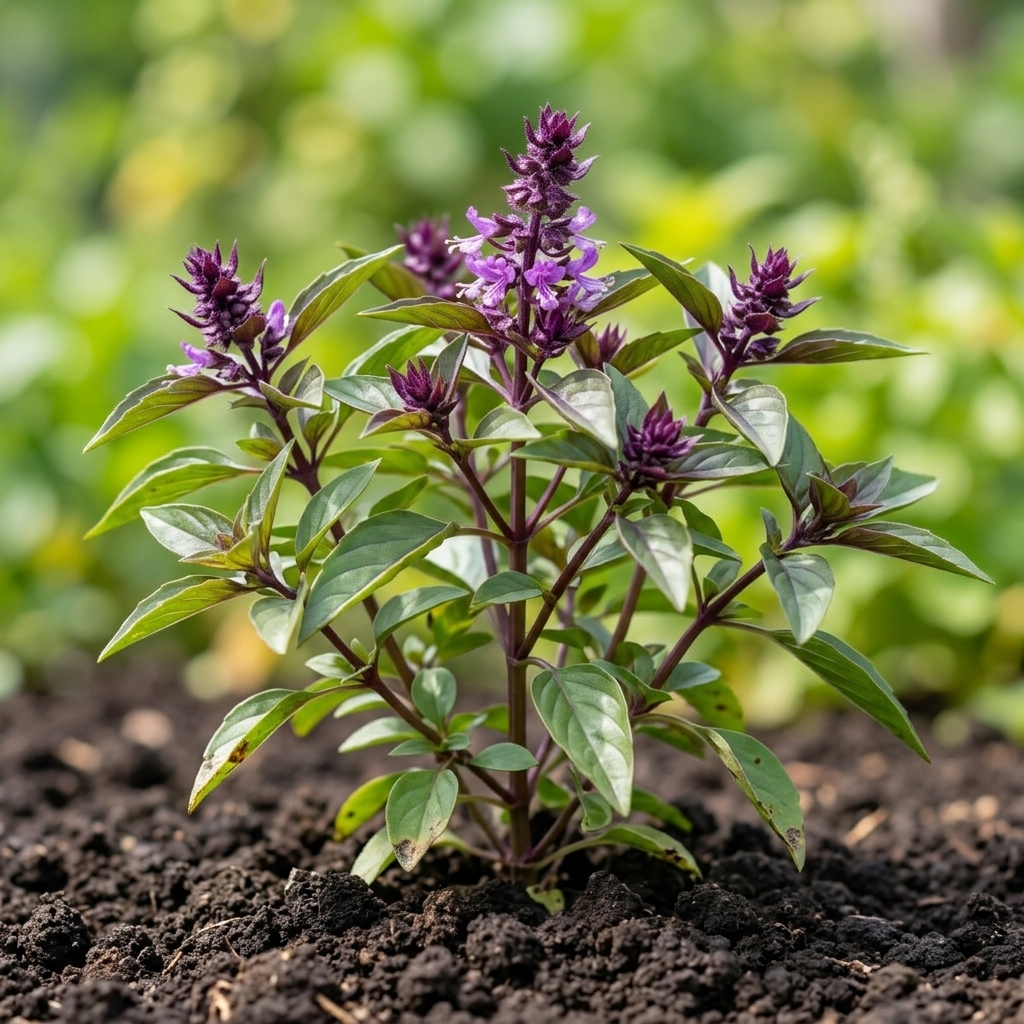
Thai Basil
Ocimum basilicum
Intense anise aroma, essential herb for authentic Asian cooking.- Rich in eugenol with anti-inflammatory and antibacterial properties
- Source of vitamin K, beta-carotene and antioxidant flavonoids
- Essential oils supporting digestion and reducing bloating
Origine des graines : Pays-Bas
Certification bio NL-BIO-01.528-0006532.2025.002
GTIN : 3770042795086
Plant Profile

Cultivation Calendar
Growing Tips
Sowing and Germination of Thai Basil
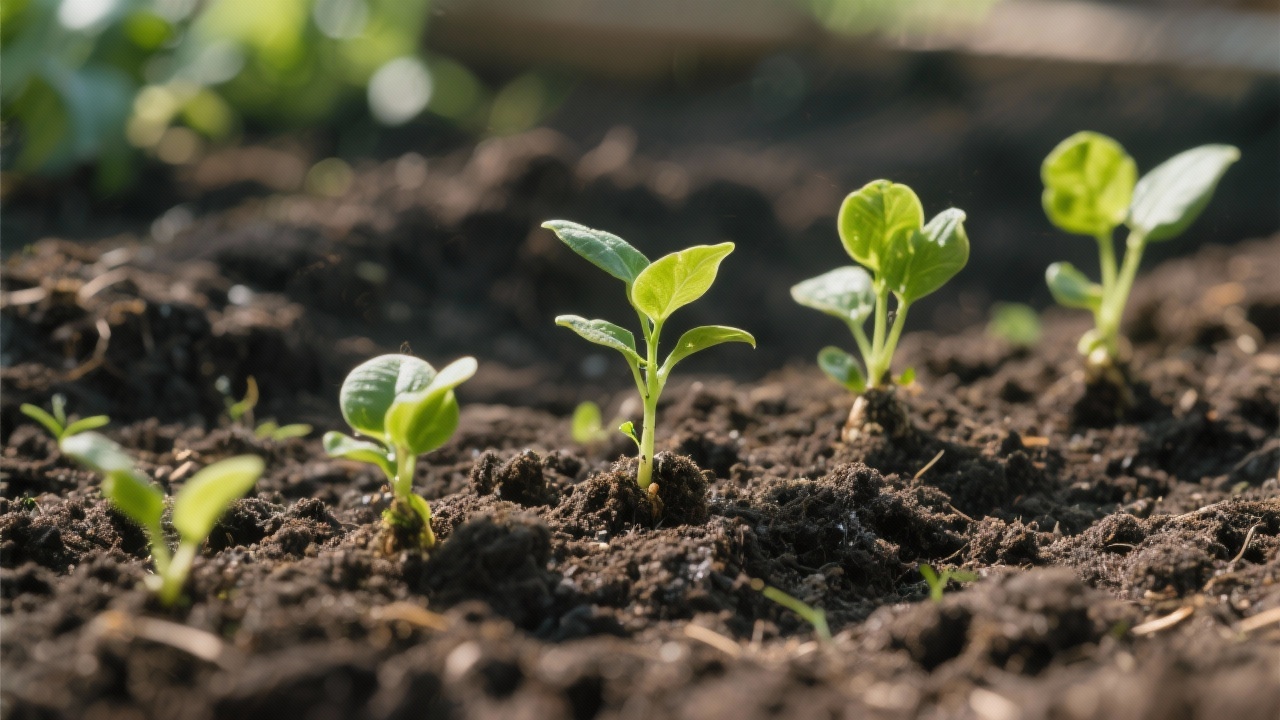
Thai basil (Ocimum basilicum var. thyrsiflora) is sown indoors from the end of March in a light, well-drained substrate at a constant temperature of 22 to 25°C. Germination is directly dependent on heat: the substrate temperature must be maintained between 22 and 25°C continuously for satisfactory germination within 7 to 14 days. A heat mat is strongly recommended. Use fine, slightly moistened sowing compost and sow 2 seeds per cell at 5 mm depth. Cover with plastic film or a transparent cloche to maintain moisture and ambient warmth. An artificial grow light significantly improves the quality of young plants in January and February.
Young Plant Development Through to Planting
From germination, expose plants to maximum light while maintaining heat above 20°C. Thin to one plant per cell when both shoots are clearly visible. At the 4 to 6 true-leaf stage (6 to 8 weeks after sowing), pot on into 10–12 cm containers with enriched compost. A light starter fertilization with diluted liquid compost stimulates the root system without forcing aerial growth. Progressively acclimatize plants outdoors from May before final planting after the last frost date. This basil is even more cold-sensitive than European varieties: a night below 10°C is enough to permanently stunt growth.
- Temperature: 22–25°C, heat mat essential
- Humidity: Slightly moist substrate under plastic film
- Light: Artificial grow light recommended January–February
- Transplanting: 4–6 true leaves, in May into 10–12 cm pots
Key Points
- Temperature: 22–25°C, heat mat essential
- Humidity: Slightly moist under plastic film
- Light: Grow light recommended in Jan–Feb
- Transplanting: 4–6 true leaves, May
Planting Conditions for Thai Basil in Ground or Containers
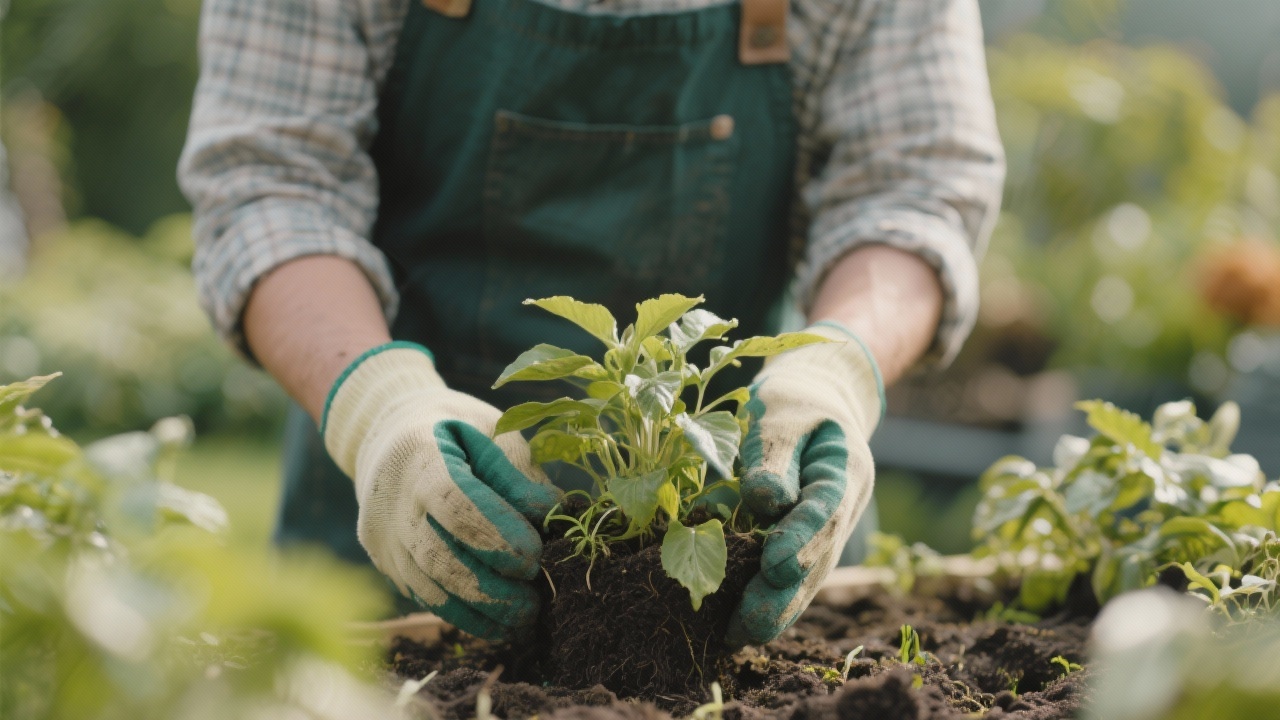
Thai basil is planted outdoors only after the last frost risk has passed, from 15 May in temperate French zones. It thrives in the hottest and sunniest positions, against a south-facing wall or in a sheltered garden corner. In open ground, loosen the soil to 20 cm depth and incorporate well-decomposed compost at a rate of 3 to 4 litres per m². In pots or window boxes, use a mix of universal potting mix and perlite (70/30) for excellent drainage while maintaining good water retention. Acclimatize plants gradually over one week by exposing them outdoors for a few hours daily before permanent planting.
Establishment and Early Care
Plant each pot at the same depth, with the collar at soil level. Water abundantly at the base immediately after planting to eliminate air pockets around the roots. Space plants 25 to 30 cm apart for optimal development and good air circulation. Mulch the soil with fine straw or wood chips to retain warmth and moisture, two conditions essential for good fruiting. In case of persistent cool weather in the first weeks, maintain a frost fleece at night. A light starter fertilization with phosphorus-rich organic fertilizer encourages rapid rooting.
- Depth: Same as container, collar at soil level
- Spacing: 25–30 cm between plants, 30 cm between rows
- Watering: Generous at planting, then regular and moderate
- Mulching: 5 cm fine straw or chips to retain heat
Key Points
- Depth: Same as container
- Spacing: 25–30 cm between plants
- Watering: Generous then moderate
- Mulching: 5 cm to retain warmth and moisture
Ongoing Care and Continuous Harvesting of Thai Basil
Thai basil care is essentially based on the regular pinching of flower buds as soon as they appear. This operation, carried out weekly during the summer growth peak, maintains the plant in an active vegetative state and concentrates essential oil production in the leaves. Water regularly but without excess — Thai basil tolerates slight dryness better than excessive moisture at collar level. Monthly organic fertilization using nettle manure or liquid compost is sufficient to maintain vigorous growth without excess nitrogen that would dilute aromas. Lightly hoe the soil between plants to maintain structure and combat weeds.
Disease and Pest Prevention
The main threat to Thai basil is damping-off caused by excess moisture, particularly in cool conditions. Ensure good plant aeration and avoid evening watering. Black and green aphids can colonize young shoots; treat at the first sign with a forceful water jet or diluted black soap solution. Powdery mildew may appear in humid weather: remove affected leaves and improve ventilation around plants. Crop rotation (minimum 3 years between basil plantings) and tomato companion planting remain the most effective preventive strategies.
- Soil type: Light, well-drained, rich in organic matter, pH 6.0–7.5
- Care: Weekly flower pinching in summer, light monthly hoeing
- Watering: Moderate at the base, never in the evening
- Prevention: Good aeration, annual rotation, aphid monitoring
Key Points
- Soil type: Light, drained, rich, pH 6.0–7.5
- Care: Weekly flower pinching in summer
- Watering: Moderate, at base, never in evening
- Prevention: Good aeration, annual rotation
Harvesting and Storing Thai Basil
Begin harvesting Thai basil when the plant has at least 6 to 8 well-developed leaf pairs, approximately 6 weeks after establishment. Harvest in the morning, before the sun's heat has volatilized the essential oils. Cut stems above a leaf pair with clean scissors, never removing more than a third of the plant. The characteristic purple flower spikes of Thai basil are also edible and very fragrant; harvest them before full bloom to concentrate aromas. Weekly harvesting stimulates production and extends the season until the first autumn frosts.
Leaf and Stem Preservation Methods
Thai basil dries better than European basil at low temperature (35–40°C maximum): the leaves retain their green color and a good portion of their essential oils. Freezing whole leaves lightly coated in oil gives excellent results for use in hot dishes. Preparing a Thai basil oil — leaves blended with virgin olive oil — produces a precious condiment that keeps 2 to 3 months in the refrigerator. The flower spikes are particularly suited to lacto-fermentation, which amplifies and transforms their anise aromas.
- Period: June to October, from 6–8 developed leaf pairs
- Stage: Before full flowering, well-branched stems
- Method: Clean scissors above a leaf pair, max 1/3
- Storage: Gentle drying, oil-freeze, flavored oil
Key Points
- Period: June–October from 6–8 leaf pairs
- Stage: Before full flowering
- Method: Scissors above a leaf pair, max 1/3
- Storage: Gentle drying or oil-freeze
Aromas and Culinary Uses of Thai Basil
Thai basil stands out for its powerful anise and liquorice aroma, with peppery and menthol notes that make it indispensable in South-East Asian cuisine. Its glossy dark green leaves with often-purple stems bring a strong visual presence to preparations. It is used fresh, added at the very end of cooking to preserve its volatile essential oils, in Thai curries, Vietnamese pho soups and wok stir-fries. Unlike European basil, it better withstands light cooking without completely losing its fragrance. It features in many Asian sauces and pairs remarkably well with lemongrass, fish sauce and chillies.
Nutrition and Aroma Preservation
Thai basil is an excellent source of eugenol and estragole, two aromatic compounds with documented anti-inflammatory and antibacterial properties. It also provides vitamins A and K, beta-carotene and antioxidant flavonoids. In contemporary European cooking, it integrates very well into fine tarts, gazpachos and fruit desserts where its anise notes create an interesting contrast. To preserve its aromas, use it raw as a last-minute garnish or incorporate it into cold preparations. Freezing in ice cube oil portions is the best method to preserve its gustatory properties throughout winter.
- Flavor profile: Anise, liquorice, slightly peppery and mentholated
- Classic uses: Thai curries, pho, wok stir-fries, spring rolls
- Best pairings: Lemongrass, ginger, chilli, fish sauce, lime
- Storage: Oil-freeze or gentle drying
Key Points
- Flavor profile: Strong anise, liquorice, pepper, menthol
- Classic uses: Curries, pho, wok stir-fries, spring rolls
- Best pairings: Lemongrass, ginger, chilli, lime
- Storage: Oil-freeze or gentle drying