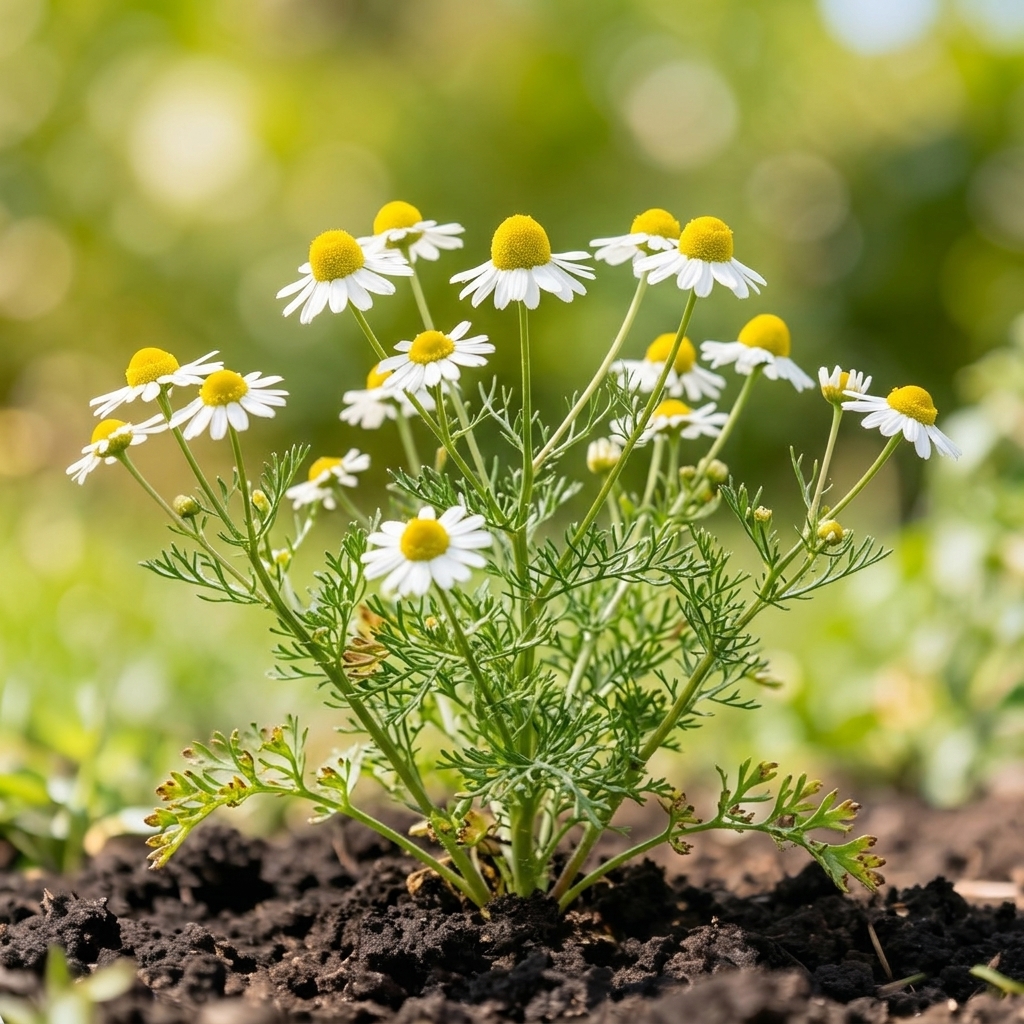
Chamomile
Matricaria chamomilla
Tiny white soothing flowers for relaxing and digestive herbal teas.- Rich in azulene and apigenin with proven anti-inflammatory properties
- Mild sedative effects supporting sleep and reducing light anxiety
- Antispasmodic properties effective against digestive disorders
Origine des graines : Pays-Bas
Certification bio NL-BIO-01.528-0006532.2025.002
GTIN : 3770042795024
Plant Profile

Cultivation Calendar
Growing Tips
Chamomile Sowing: Method and Conditions
German chamomile (Matricaria chamomilla) is preferably sown by direct sowing in open ground from spring (March–April) or in autumn (October–November) for flowering the following year. Its tiny seeds require light to germinate: sow them on the surface without covering or with a barely visible layer of fine sand. Mix seeds with sand for easier uniform distribution. The ideal germination temperature is 15 to 20°C. An indoor sowing under cold greenhouse or on a windowsill in February–March allows earlier flowering. Germination occurs in 7 to 14 days under good conditions.
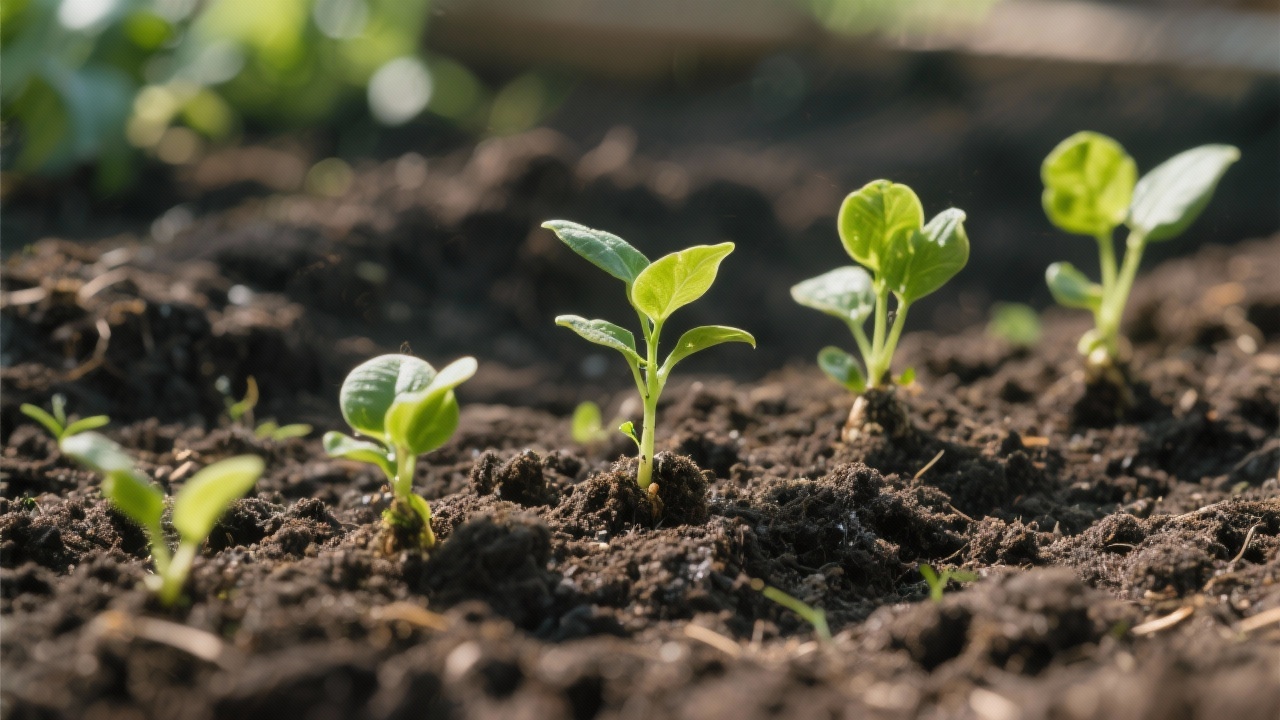
Seedling Development and Thinning
Chamomile seedlings are fine and delicate in their first weeks but quickly become robust. Thin to 15–20 cm spacing once plants reach 5 cm. Chamomile is a prolific self-seeder that naturally colonizes the garden year after year if some flowers are allowed to set seed. It handles transplanting well at a very young stage (2 true-leaf stage) but prefers direct sowing. Chamomile thrives in all gardens, even on poor, dry soils where other plants struggle. Its presence is beneficial for neighboring plants through its root secretions.
- Temperature: 15–20°C, sow on the surface (microscopic seeds)
- Humidity: Fresh to moderate soil, good aeration
- Light: Essential for germination, do not cover seeds
- Transplanting: Direct sowing preferred, transplanting possible when very young
Key Points
- Temperature: 15–20°C, do not cover seeds
- Humidity: Slightly fresh soil
- Light: Essential, surface sowing only
- Transplanting: Direct sowing strongly preferred
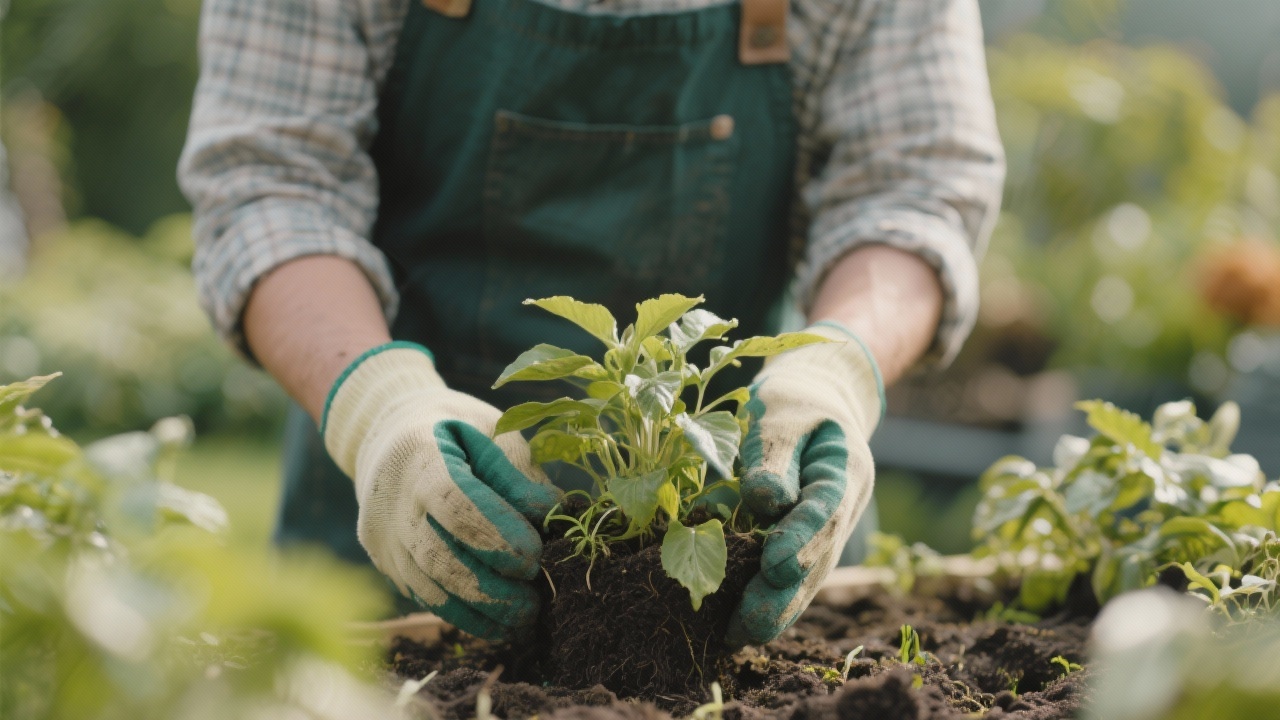
Planting and Establishing Chamomile
Chamomile establishes easily in all soil types, including poor, dry and slightly acidic ones. It prefers a well-sunny position for abundant flowering and well-developed flowers with optimal medicinal properties. Soil too rich in nutrients promotes vegetative growth at the expense of flowering: avoid over-fertilizing. Lightly prepare the soil by loosening it to 10 cm and eliminating weeds. Chamomile is particularly appreciated in vegetable garden borders, at the foot of roses or between paving stones where it flourishes naturally.
Spacing Management and Companion Associations
Maintain a spacing of 15 to 20 cm between plants for good aeration and to prevent fungal disease development. Chamomile is known as the "garden doctor": its presence is beneficial for surrounding plants, notably vegetables like cabbages, onions and carrots. Water moderately for the first weeks then allow chamomile to fend for itself: it is naturally drought-tolerant. Leave some plants to set seed at season's end to ensure abundant natural self-seeding the following year.
- Depth: Surface sowing (microscopic seeds)
- Spacing: 15–20 cm between plants
- Watering: Moderate at start, very economical thereafter
- Companion: Beneficial for cabbages, onions, carrots
Key Points
- Depth: Surface (microscopic seeds)
- Spacing: 15–20 cm
- Watering: Economical
- Companion: Beneficial for neighboring vegetables
Chamomile Care and Flowering Stimulation
Chamomile is a minimal-maintenance plant, perfect for beginner gardeners. The only beneficial regular intervention is partial deadheading: leave some flowers to set seed for natural self-seeding and harvest the rest before complete seed maturation. Water only during prolonged dry spells: chamomile is naturally adapted to dry conditions. No fertilization is needed on normal soil. Thinning after germination produces well-developed plants; without thinning, plants are smaller but flower production remains satisfactory.
Natural Resistance and Garden Benefits
Chamomile is generally little susceptible to diseases or pests. In very wet, cold weather, some fungal spotting may appear on foliage without serious consequence. Its early, abundant flowering constitutes a precious nectar source for pollinators early in the spring season. In natural or organic gardens, it is grown as a sacrificial plant to attract aphids and protect main crops. Its root secretions stimulate the growth and disease resistance of neighboring plants — hence its nickname "garden doctor" in permaculture circles.
- Soil type: Any type, even poor and dry, pH 5.6–7.5
- Care: Partial deadheading, seedling thinning
- Watering: Very economical, only in drought
- Prevention: Little susceptible, beneficial for plant neighbors
Key Points
- Soil type: Any type, even poor, pH 5.6–7.5
- Care: Partial deadheading, thinning
- Watering: Very economical
- Prevention: Little susceptible to disease
Harvesting Chamomile Flowers at the Right Stage
The medicinal and aromatic quality of chamomile is directly linked to the harvesting stage. Flowers are harvested when the white petals are fully spread horizontally around the domed yellow center — not yet raised upward, which would indicate over-ripeness. Pick preferably in dry weather, mid-morning, pinching the stem 2 to 3 cm below the flower head. Flowers harvested at the correct stage are the richest in azulene, the characteristic anti-inflammatory active compound of German chamomile. Harvest regularly every 2 to 3 weeks throughout the flowering season.
Drying and Storage for Medicinal Use
Drying is the most important step to preserve chamomile's medicinal properties. Spread flowers in a single layer on drying racks in a warm, dry, shaded and well-ventilated location — never in direct sunlight which destroys the active compounds. Temperature must not exceed 40°C. Drying takes 3 to 5 days depending on conditions. Well-dried flowers should be light, friable, retain their color and release their characteristic aroma. Store in tinted airtight glass jars away from light for a maximum of 12 to 18 months.
- Period: May–July, petals horizontal, domed yellow center
- Stage: Petals horizontal, just before raising upward
- Method: Pinch 2–3 cm below flower, dry weather in the morning
- Storage: Shaded drying at under 40°C, airtight jar 12–18 months
Key Points
- Period: May–July
- Stage: Petals horizontal, before raising
- Method: Pinch below flower, dry morning weather
- Storage: Shaded drying, airtight jar 12–18 months
Chamomile Infusion and Culinary Uses
German chamomile is primarily known for its soothing and digestive herbal tea, one of the most consumed in the world. Its mild apple and honey aroma, with slightly bitter and floral flavors, makes it an excellent relaxation drink. To prepare an optimal medicinal infusion, pour water at 90°C (never boiling) over 2 teaspoons of dried flowers and cover for 10 minutes to concentrate the volatile active compounds. In creative cooking, fresh petals decorate salads and desserts. Chamomile syrups and jellies are refined artisan specialties. In pastry, chamomile delicately perfumes creams, pannacottas and ice creams.
Therapeutic Properties and Usage Precautions
Chamomile is one of the best-documented medicinal plants in Europe. Rich in azulene, flavonoids (apigenin) and essential oils, its flowers have confirmed anti-inflammatory, antispasmodic, mild sedative and wound-healing properties. It effectively relieves digestive disorders (bloating, cramps, dyspepsia), upper respiratory tract inflammations and mild anxiety. Externally, chamomile compresses soothe skin irritations and conjunctivitis. Precaution: people allergic to Asteraceae (daisies, chrysanthemums) may react to chamomile. Do not confuse with Roman chamomile (Chamaemelum nobile) with slightly different properties.
- Flavor profile: Mild, apple, honey, slightly bitter and floral
- Classic uses: Soothing herbal tea, syrup, jelly, pastry cream
- Best pairings: Honey, lemon, lavender, vanilla, white fruits
- Storage: Airtight drying, maximum 12–18 months
Key Points
- Flavor profile: Mild, apple, honey, floral
- Classic uses: Herbal tea, syrup, pastry cream, jelly
- Best pairings: Honey, lemon, lavender, vanilla
- Storage: Airtight drying 12–18 months