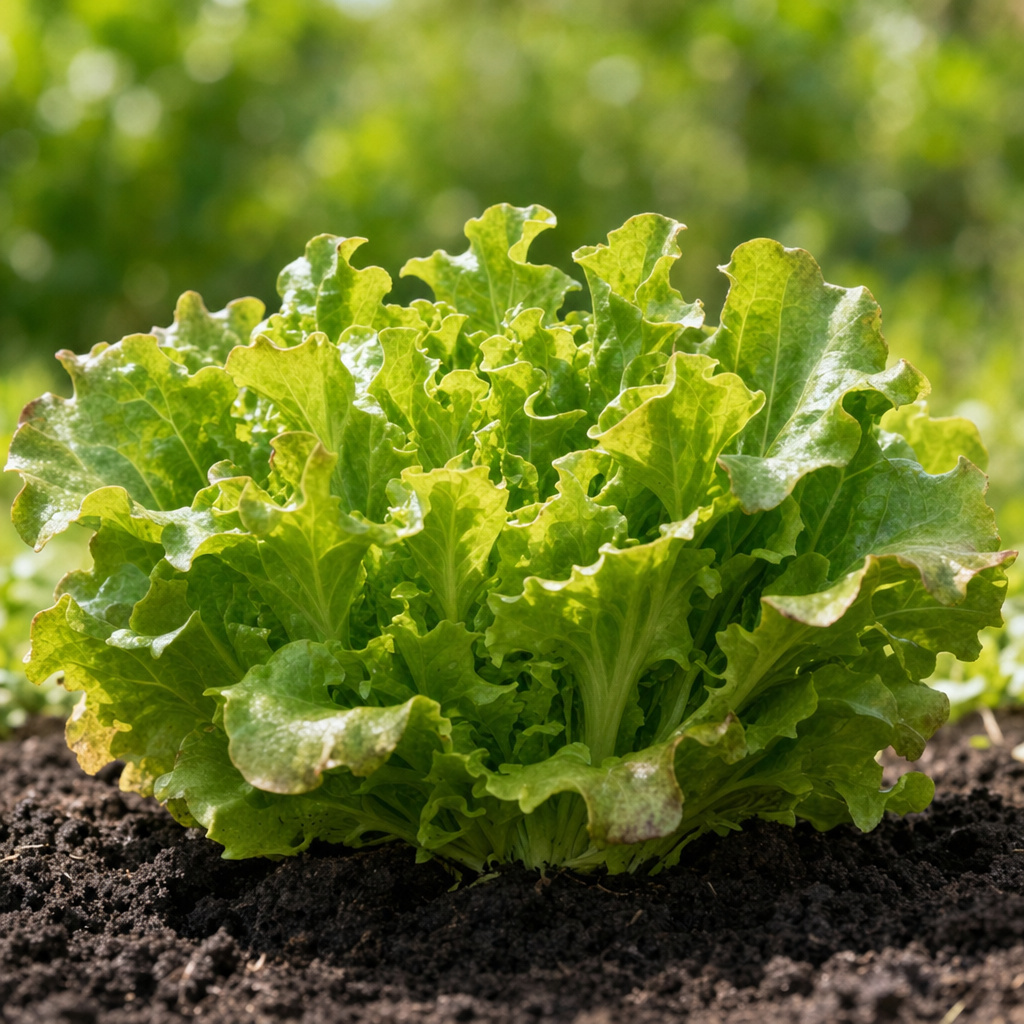
Cutting Lettuce Catalogna
Lactuca sativa
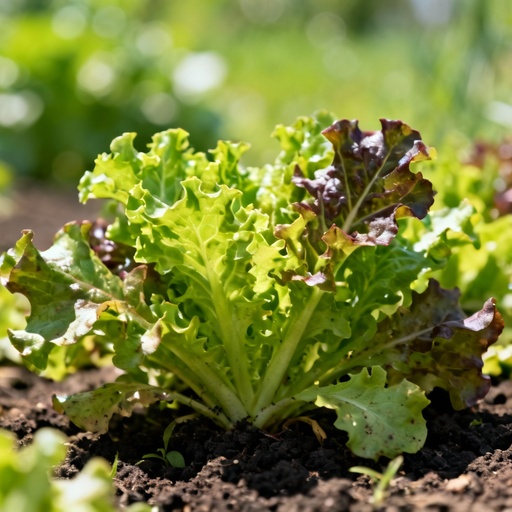
Cutting lettuce with frilled leaves, successive harvests.- Excellent source of vitamin K, folates, and essential minerals for the body
- Promotes hydration and helps manage weight healthily
- Antioxidant properties protect against oxidative stress and cellular aging

Pays-Bas

Plant Profile

Cultivation Calendar
Growing Tips
Conditions and Method of Sowing Lettuce
Lettuce is an easy crop that adapts well to both direct sowing and protected cultivation, depending on your climate and preferences. To succeed, prepare a light and well-drained substrate, ideally composed of a mix of horticultural soil and refined compost, which will allow young roots to establish without the risk of suffocation. Lettuce seeds are very fine: sow them on the surface or barely covered with a thin layer of substrate, as if you were gently sprinkling them. The ideal soil temperature is between 15 and 20°C, with air temperatures ranging from 18 to 22°C for optimal germination. Moisture is your best ally: keep the substrate constantly moist, but never waterlogged, using a fine mist rather than watering that might displace your tiny seeds. A forcing cover or a homemade mini-greenhouse will help maintain this precious moisture and create a favorable microclimate for germination.
Germination and Preparation for Transplanting
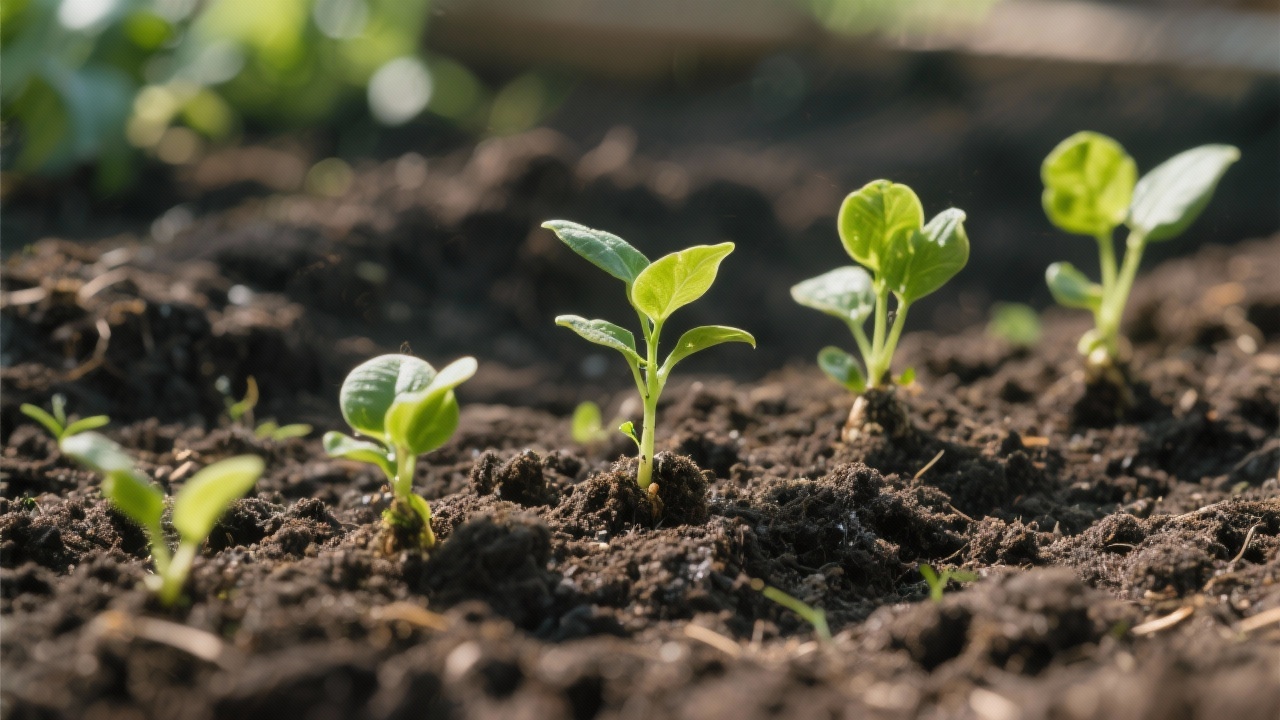
The germination of lettuce seeds typically occurs between 5 and 10 days, depending on conditions. Once the first leaves appear, ventilate regularly to prevent damping off. Gradually space your seedlings so they do not hinder each other, maintaining a density that allows for good air circulation. No pretreatment is necessary for lettuce: its seeds have no dormancy and germinate spontaneously under favorable conditions. As soon as the first true leaves appear, usually about 3 to 4 weeks after sowing, your young plants are ready for transplanting into pots or in a nursery. At this stage, you have vigorous and trailing plants, perfect for continuing your organic or conventional cultivation in a vegetable garden.
Key Points
- Temperature: 15-20°C (soil) / 16-18°C (air)
- Moisture: Constant moisture, slightly moist substrate
- Light: Soft light, positive photoblastic, avoid direct sunlight
- Transplanting: At the 2-3 true leaf stage, about 3-4 weeks
Conditions and Soil Preparation for Planting Oak Leaf Lettuce
Planting Oak Leaf Lettuce is preferably done between March and October, favoring an air temperature between 12 and 18 °C and a soil temperature of at least 10 °C. Avoid any risk of late frost that could compromise the establishment of the plants. Prepare your vegetable garden soil by carefully removing weeds and loosening the soil deeply to a depth of 15 to 20 cm. Generously incorporate well-rotted compost or enriched potting soil to improve the structure and water retention of the substrate. Three to five days before final planting, gradually acclimate your young plants to the outdoors by exposing them gradually to the natural conditions of the garden. Just before planting, soak the roots by immersing them for a few minutes in room temperature water, or practice pralinage by coating them with a mixture of potting soil and water to maintain moisture and encourage root establishment.
Planting and Installing Oak Leaf Lettuce Seedlings
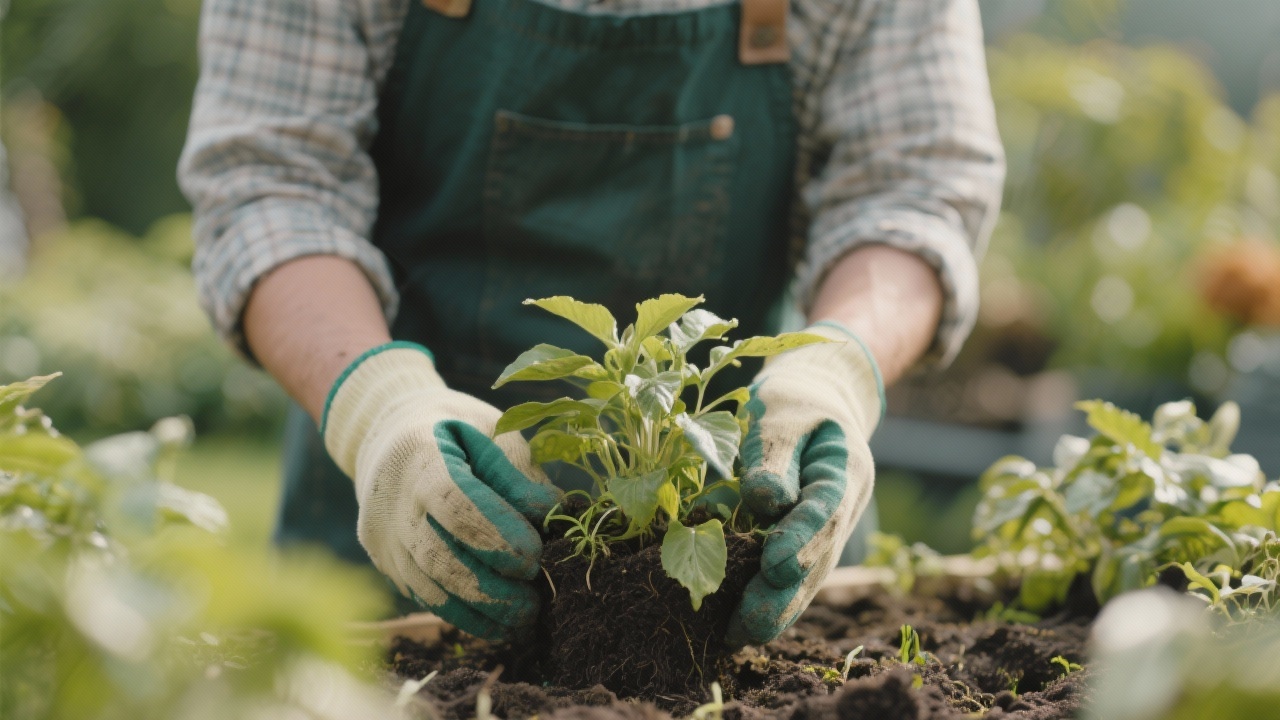
Plant your clumps at a depth such that the crown (junction between stem and roots) is slightly above the soil surface, without burying it. Lightly compact the soil around the plant and water immediately in a basin to ensure good soil moisture and eliminate air pockets. Maintain a spacing of 25 to 30 cm between each plant and 30 to 40 cm between rows, allowing for good air circulation and optimal establishment. Apply a mulch (fine straw or dry clippings) 3 to 4 cm around the plants to limit evaporation, regulate soil temperature, and reduce weed emergence. In very hot climates or in scorching exposures, install a light shading cloth during the first two weeks to help the young plants adapt to their new environment.
Key Points
- Depth: At soil level, do not bury the crown
- Spacing: 25–30 cm between plants, 30–35 cm between rows
- Watering: Abundant watering in a basin after planting, then regular
- Mulch / Protection: Organic mulch 4–5 cm, protects against evaporation/weeds
Growth and Plant Vigor Management
Oak Leaf Green Lettuce requires regular and moderate watering: expect two to three waterings per week depending on climatic conditions, favoring a constantly moist soil without waterlogging. A light organic mulch (straw, dried clippings) maintains this freshness while limiting weed growth. Regular hoeing between plants aerates the soil and facilitates root penetration, particularly useful during the first two to three weeks after planting. Regarding reasonable fertilization, a balanced organic fertilizer (mature compost or gentle NPK amendment) at the start is usually sufficient; during active growth, a slight addition of biodegradable nitrogen (diluted nettle manure, horn meal) accelerates leaf development without excess. Garden maintenance is limited to maintaining a free spacing between plants (15 to 20 cm) to ensure good aeration and prevent fungal problems. Avoid any pinching or pruning: this naturally developing variety does not require it.
Health Protection and Environmental Balance
Regularly monitor for the appearance of common garden pests (aphids, slugs, whiteflies) and early detect any signs of diseases: root rot, downy mildew, or damping-off. In organic cultivation, prevention is key: maintaining good aeration, avoiding excessive leaf moisture, and applying mulch limit 80% of health issues. Respect a crop rotation of at least two years on the same plot to break pest cycles. Intelligent association with other species (carrots, radishes) creates a naturally regulating balanced garden. Adjust shading according to the season: in summer, 20 to 30% shade preserves leaf quality and limits early bolting. These simple actions, combining vigilant observation and a preserved ecosystem, ensure healthy growth without resorting to chemical treatments.
Key Points
- Soil type: Light, rich in organic matter, neutral pH 6.5-7.0, well-drained
- Maintenance: Gentle hoeing every 10 days, manual weeding, compost every 15 days
- Watering: After establishment, 10-15 mm/day, morning preferred, soil constantly moist
- Preventive action: Mulching 3-4 cm, insect netting, annual crop rotation
Maturity Indicators and Optimal Harvest Conditions
The Catalogna cut lettuce reaches its commercial maturity approximately 45 to 55 days after planting, when the outer leaves display their characteristic coloration and a well-developed turgid texture. Key harvest indicators include the formation of a compact rosette weighing 150 to 200 grams, with soft but not limp leaves, showing no signs of bolting or basal rot. Harvesting is done in the early morning, after the dew has disappeared, when the temperature is around 10 to 15°C, an ideal time to preserve the natural moisture of the tissues. In both organic cultivation and conventional production, this time window limits oxidation and promotes subsequent preservation. A uniform plot generally allows for 3 to 4 successive harvests spaced 5 to 7 days apart, first picking the outer leaves before a total harvest, thus optimizing the yield of the vegetable garden without compromising the quality of fresh fruits and vegetables.
Harvesting Techniques and Post-Harvest Preservation
Manual harvesting remains the preferred method: gently detach each leaf by hand or use a sharp knife to cut the entire rosette close to the ground, avoiding injuries and oxidation of the freshly cut tissues. Immediate sorting, eliminating damaged or soiled leaves, ensures a premium selection. Rapid pre-cooling in a cold room at 4°C for 2 to 4 hours stabilizes turgidity. Optimal storage is at 1 to 4°C with a relative humidity of 95%, in ventilated bins or perforated films, ensuring preservation for 7 to 10 days. For short supply chains, transport in closed containers maintained at low temperatures preserves freshness and market quality, in accordance with good agricultural practices. Hygiene of tools and personnel remains essential to limit contamination and degradation.
Key Points
- Period: 45-60 days after sowing, early spring-autumn
- Stage: Bright green leaves, firm heart, before flowering bolting
- Method: Sharp knife above the crown, gentle action
- Storage: 0-2°C, 95% humidity, preservation 7-14 days
Taste profile and culinary preparation of Catalogna cut lettuce
Catalogna cut lettuce is a garden vegetable whose leaves are consumed, offering a delicately crunchy texture and a fresh flavor that is slightly herbaceous, with subtle and delicate notes. In home cooking, it is best enjoyed raw in salads, where its serrated leaves beautifully capture dressings and condiments. Its tender veins and airy structure make it an ideal vegetable for light vegetable preparations: composed salads, cold plates, delicate garnishes, or fresh wrap bases. Although rarely cooked, it tolerates a very brief steaming or sautéing if one wishes to incorporate it into warm recipes. Its natural aromatic pairings include olive oil, fresh lemon, garden herbs (parsley, chives), cottage cheese or goat cheese, as well as dried fruits, seeds, and mild proteins. The texture remains optimal when served immediately after preparation, without prolonged cooking.
Seasoning, nutritional values, and storage
To enhance its fresh flavor, opt for a simple seasoning: quality oil, delicate white or balsamic vinegar, fresh lemon, and sea salt. It provides a nice nutritional contribution with its vitamins (A, C, K), mild fibers, and minerals, while remaining low in calories. No cooking alters these benefits when consumed raw. For storage, keep the leaves in the refrigerator in a vegetable drawer, lightly wrapped, for 5 to 7 days. Longer storage is possible through lactofermentation or freezing after blanching, although these methods change the crunchy texture. Before use, rinse the leaves in fresh water and gently spin them dry to preserve their characteristic crunch and optimally welcome the seasoning.
Key Points
- Taste profile: Mild, crunchy, slightly sweet, with no marked bitterness
- Classic preparations: Raw salad, quick steam, sandwich garnish
- Winning pairings: Vinaigrette, fresh herbs, cottage cheese, nuts
- Storage: Refrigerator 5-7 days, damp bag recommended
Smart Companions