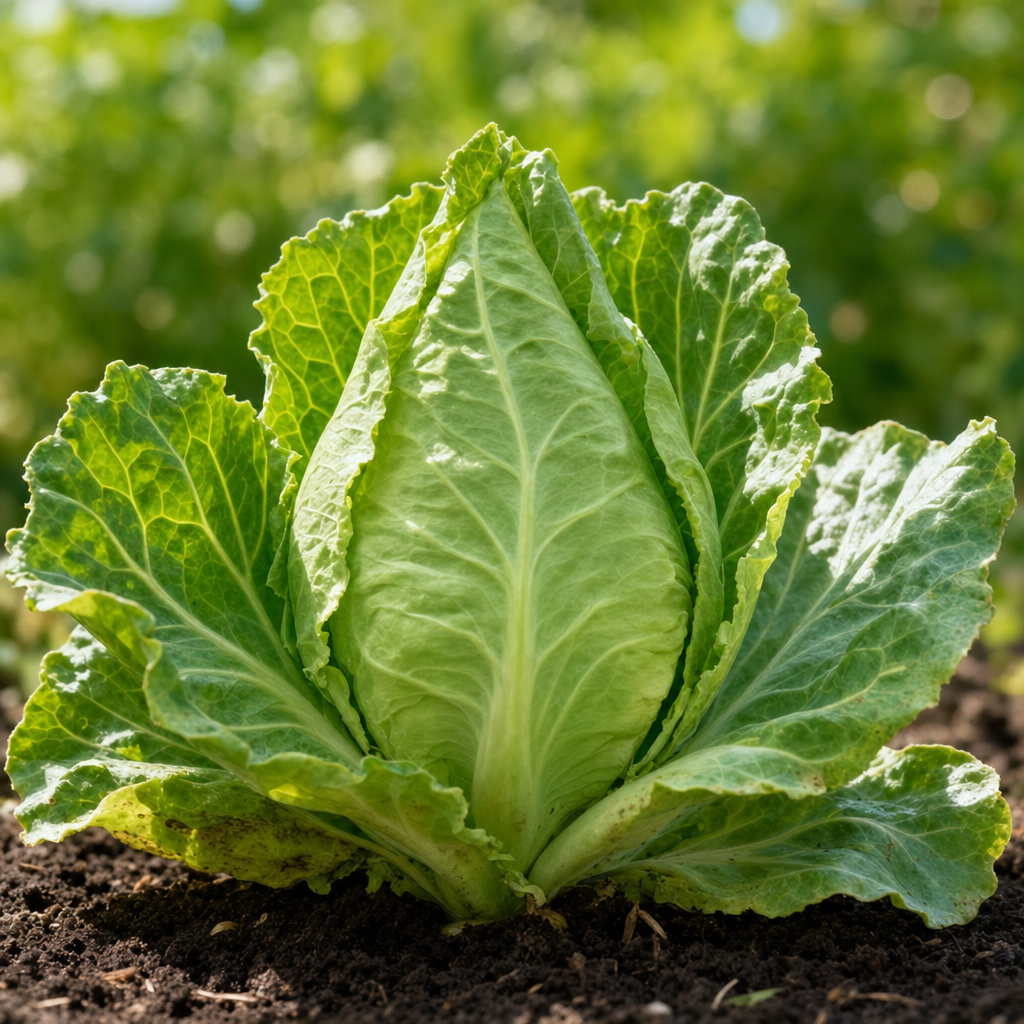
Caraflex F1 Pointed Cabbage
Brassica oleracea var. capitata
Early pointed cabbage with a firm conical head.- Excellent source of vitamin C, K, and folates essential for cellular metabolism
- Promotes digestion due to fiber and supports intestinal health
- Rich in sulforaphane, helps prevent certain cancers and detoxifies the body

Pays-Bas

Plant Profile

Cultivation Calendar
Growing Tips
Conditions and Method of Sowing Brassica rapa
Sowing Brassica rapa, also known as turnip or rapa, is ideally done in protected cultivation or directly in open ground depending on your climate. To start, prepare a light and well-drained substrate, composed of quality horticultural soil mixed with a bit of fine sand to ensure optimal aeration of the seeds. The soil temperature should be between 15 and 20 °C to promote good germination. Sow the seeds at a depth equivalent to twice their diameter, about 1 cm, spacing the seeds slightly to limit crowding. Moisture is crucial: keep the substrate constantly moist without waterlogging, favoring a gentle spray rather than direct watering that could displace the young seeds. Brassica rapa appreciates natural or artificial light as soon as it germinates, so place your containers near a well-lit window or under suitable lighting to obtain sturdy and vigorous plants.
Germination and Care until Transplanting
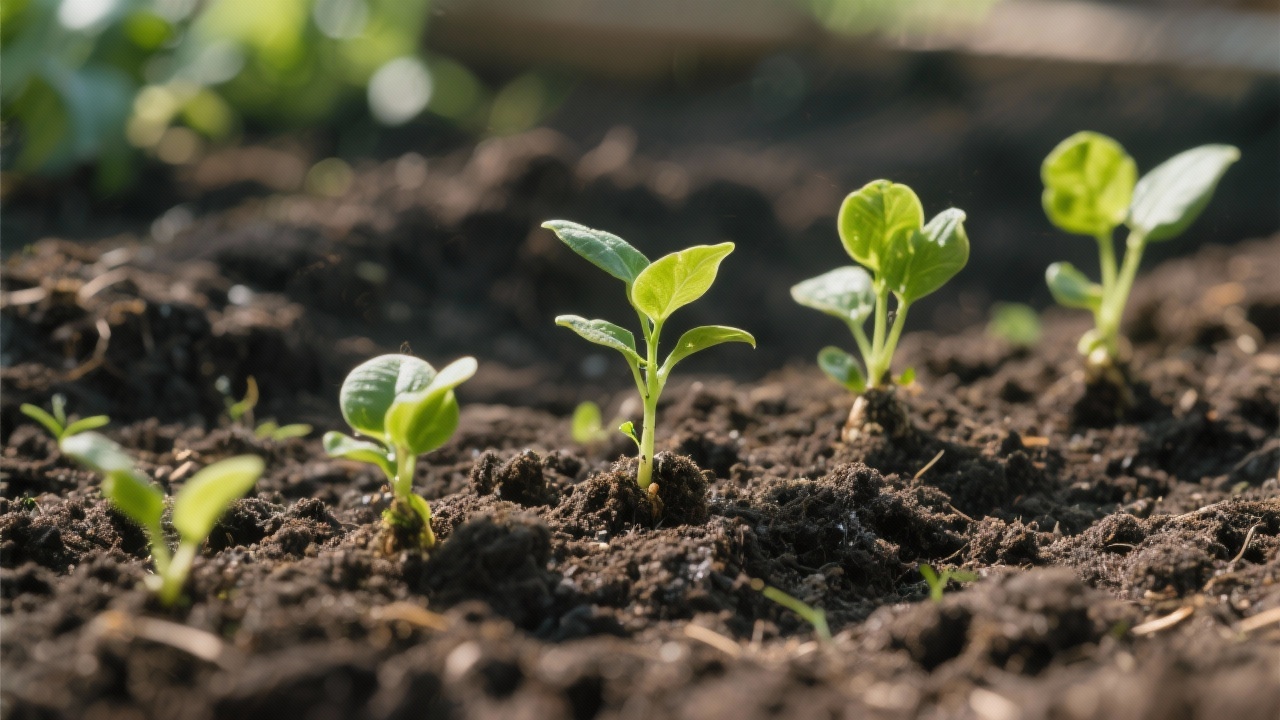
The germination of the seeds usually occurs between 5 and 10 days after sowing, provided that moisture and temperature conditions are met. Once the first seedlings are visible, maintain good aeration around your sowings to prevent fungal diseases. No specific pretreatment is necessary for Brassica rapa: the seeds germinate naturally without stratification or scarification. After 10 to 15 days, when the seedlings develop their true leaves and show sufficient vigor, they are ready for transplanting into individual pots. This approach ensures a healthy organic cultivation from the start and facilitates management in a vegetable garden or under a tunnel. By following these simple gardening tips, you will obtain robust and healthy plants for your future crops.
Key Points
- Temperature: 15-20°C, stable and moderate for growth
- Moisture: Constant moisture, fine spray without waterlogging
- Light: Direct or slightly shaded light, 6-8 hours/day
- Transplanting: 2-3 true leaves, about 10-14 days after sowing
Conditions and Preparation for Planting Caraflex F1 Pointed Cabbage
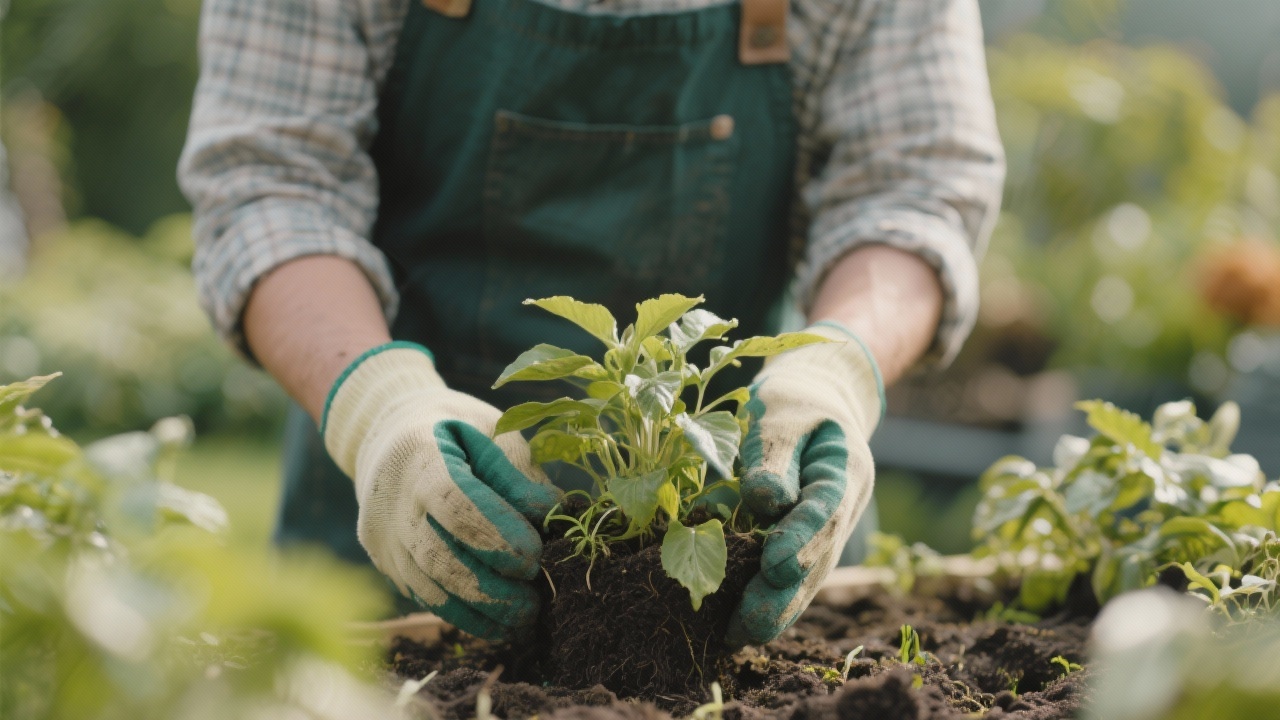
Caraflex F1 Pointed Cabbage is ideally planted in late summer or early autumn when daytime temperatures range between 15 and 25 °C and the soil reaches at least 12 to 15 °C, protected from late frost risks. Before welcoming your young plants, prepare the ground by removing weeds and loosening the soil deeply to about twenty centimeters. Generously incorporate mature compost or enriched organic potting soil to provide a fertile and well-structured substrate, promoting rapid rooting. A week before planting, take your potted plants out of the frame to gradually acclimate them to outdoor conditions, exposing them gradually to natural light and temperature variations. On planting day, quickly dip the clumps in a pralin (water-soil-compost mix) or soak them for a few minutes to rehydrate the roots and facilitate their immediate contact with the garden soil.
Planting and Installation of Caraflex F1 Pointed Cabbage Plants
Bury each plant up to the level of the collar (junction between roots and stem), without burying the first leaves, by digging a hole slightly wider than the clump. Gently pack the soil around the plant and water generously in a basin to eliminate air pockets and ensure good root contact. Maintain a spacing of 30 to 40 cm between plants and 50 to 60 cm between rows to promote air circulation and limit diseases. Immediately cover the soil with a thick mulch (straw, shredded leaves, mulching compost) to reduce evaporation, maintain moisture, and suppress unwanted weeds. In case of intense sunny exposure or dry winds, a ventilated forcing cover placed for a few days helps with recovery before being gradually removed.
Key Points
- Depth: Collar level with the soil, without burying
- Spacing: 30–35 cm in row, 50 cm between rows
- Watering: Generous watering in a basin after planting, then keep moist
- Mulching / Protection: Organic mulch 5–8 cm (straw/shredded leaves)
Growth and vigor management of the plant
The Caraflex F1 pointed cabbage requires a regular and controlled watering regime throughout its growth: expect two to three waterings per week depending on climatic conditions, ensuring to keep the soil constantly moist but not saturated to prevent cracking and premature bolting. A gradual fertilization with well-decomposed compost or balanced organic fertilizers, divided into two or three applications spaced three to four weeks apart, ensures harmonious growth and better mineralization of the leaves. Regular mulch maintenance — straw or shredded material — retains soil moisture, regulates temperature, and facilitates weed control. A gentle hoeing every two weeks aerates the substrate without damaging the superficial roots. Ensure sufficient spacing between plants to ensure good air circulation and naturally limit health risks, especially in organic cultivation where treatments are restricted.
Health protection and environmental balance
Regular monitoring of the leaves allows you to detect early the common garden pests — whiteflies, aphids, flea beetles — and the first plant diseases such as downy mildew or bacterial rot. An integrated protection relies first on prevention: avoid excess leaf moisture, maintain good aeration, and prefer gentle interventions (black soap sprays, plant infusions) before any chemical recourse. Climatic conditions play a major role — an environment that is too cold or too humid favors pathogens —; adapt temporary shading during periods of intense heat. Crop rotation remains essential: avoid replanting brassicas in the same spot for three to four years, thus limiting the accumulation of specific pathogens. This ecological and thoughtful approach ensures a balanced garden and vigorous plants.
Key Points
- Soil type: Light, rich in organic matter, neutral pH 6.5-7.0, well-drained
- Maintenance: Hoeing every 15 days, manual weeding, mature compost every 3 weeks
- Watering: 25-35 mm/week, early morning, soil constantly moist without stagnation
- Preventive action: 5 cm mulch, insect netting, crop rotation, plant associations
Harvest Timing and Conditions for Caraflex F1 Pointed Cabbage
The Caraflex F1 pointed cabbage reaches its harvest maturity approximately 45 to 55 days after planting, when the leaves form a compact and firm head to the touch. The main indicator of maturity lies in the head density: a slight finger pressure should not leave an indentation. To optimize the quality of fresh fruits and vegetables, it is advisable to harvest early in the morning, after the dew has disappeared, when leaf moisture is residual but tissue turgor remains optimal. Ideal climatic conditions favor cool days, without heavy rain, with an ambient temperature between 10 and 15 °C. Regular harvesting every 3 to 5 days, depending on growth conditions, allows for an average yield of 2 to 3 kg per square meter in organic cultivation that respects good agricultural practices.
Cutting Methods and Post-Harvest Storage
Harvesting is done using a well-sharpened knife or disinfected pruning shears, cutting the head at the base, just above the collar. This technique limits tissue injuries and prevents oxidation of the cut surfaces. After picking, careful sorting eliminates damaged or yellow leaves, followed by a rapid pre-cooling of 2 to 4 hours at room temperature before storage. The optimal relative humidity for storage is between 90 and 95%, at a temperature of 2 to 4 °C, allowing for a storage duration of 2 to 3 weeks under standard conditions. To preserve freshness during short transport to the vegetable garden or distribution channels, pack the cabbages in ventilated perforated crates, avoiding excessive stacking that could damage the outer leaves.
Key Points
- Period: 45 to 60 days after planting, ideally early summer
- Stage: Firm head, 15-20 cm, compact green leaves
- Method: Sharp knife above the collar, gentle handling
- Storage: 0-2°C, humidity 90-95%, ventilated crates, 3-4 weeks
Taste profile and culinary preparation of Caraflex F1 cabbage
Caraflex F1 cabbage is distinguished by its remarkable textural duality: the stems offer a delicate and juicy crunch while the leaves melt in the mouth with a sweet and slightly sugary flavor. This garden vegetable is consumed entirely, from the white stems to the dark green leaves, making it a highly culinary efficient ingredient. In home cooking, Caraflex F1 cabbage adapts remarkably well to the wok – quick cooking of 3 to 5 minutes over high heat – where it preserves its characteristic crunch while slightly developing its flavors. It can also be steamed, gently braised, or enjoyed raw in a fresh salad. Its aromatic associations favor garlic, fresh ginger, soy sauce, and sesame oil, which enhance its delicate profile without overpowering it. Caraflex F1 cabbage also pairs elegantly with other garden vegetables, mushrooms, and plant-based proteins like tofu.
Seasoning, nutrition, and optimal storage
To reveal the full fresh flavor of Caraflex F1 cabbage, prefer light finishes: olive oil, toasted sesame oil, lemon juice, or rice vinegar. This vegetable stands out for its interesting nutritional contributions: vitamins C and K, fiber, and essential minerals like calcium and potassium, as well as beneficial antioxidants. Low in calories and rich in water, it serves as an excellent base for balanced plant-based recipes. Short-term storage is done in the refrigerator, in the vegetable drawer, for a maximum of 5 to 7 days in a damp cloth. For long-term storage, freezing after light blanching (2 minutes) remains effective, or opt for lacto-fermentation, which intensifies its flavors while preserving its nutritional qualities.
Key Points
- Taste profile: Fresh, tender, slightly sweet with subtle anise notes
- Classic preparations: Quick stir-fry in wok, raw salad, steaming, light side dish
- Winning pairings: Soy sauce, garlic, ginger, sesame, tofu, noodles
- Storage: Refrigerator 5-7 days, freezing after blanching, lacto-fermentation
Smart Companions