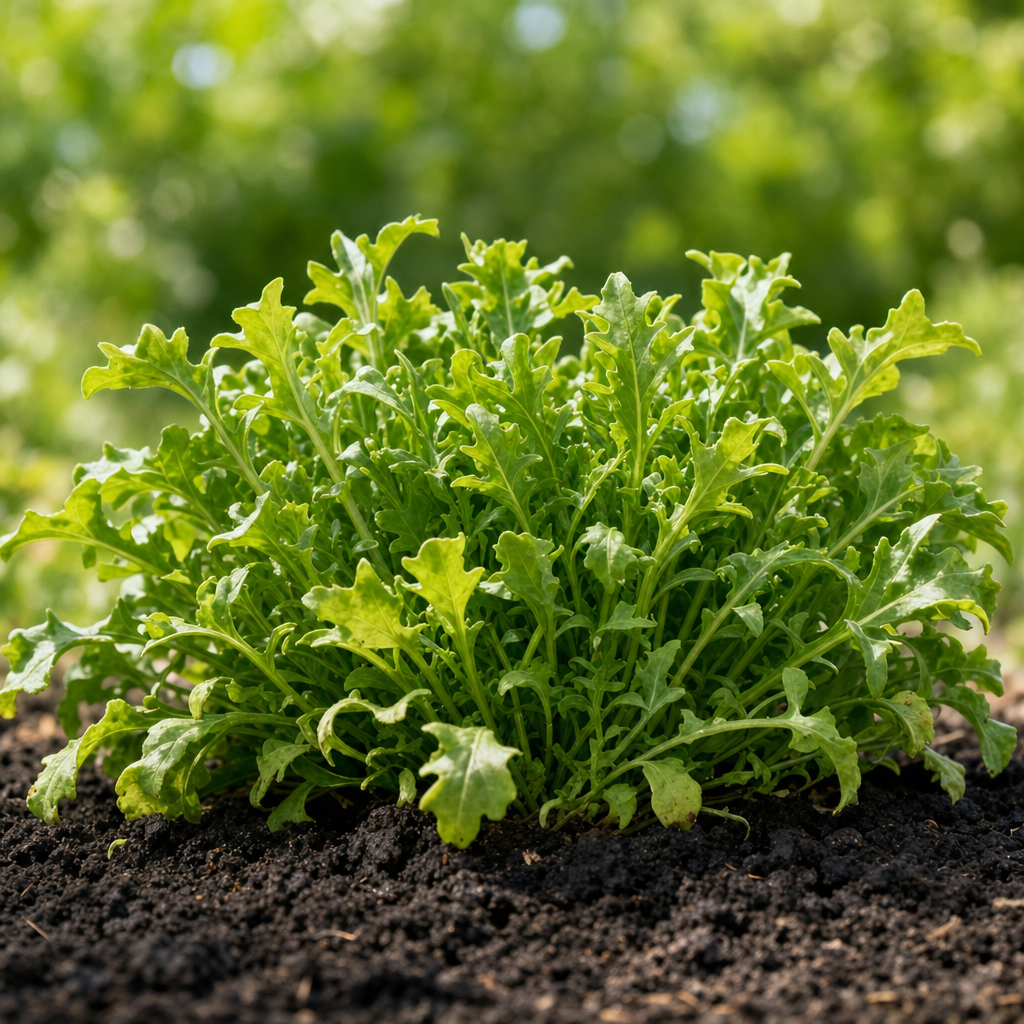
Esmée Rocket
Eruca vesicaria subsp. sativa
Esmée Rocket with intense peppery flavor, fast growth.- Excellent source of vitamin B9, iron, and omega-3, ideal for daily energy
- Promotes cardiovascular health and helps regulate blood pressure naturally
- Powerful antioxidant properties, protects against cellular aging and oxidative stress

Pays-Bas

Plant Profile

Cultivation Calendar


Growing Tips
Conditions and Method of Sowing Eruca sativa
Rocket, or Eruca sativa, is easily sown in open ground or under cover, depending on your region and the chosen season. Prepare a light and well-drained substrate, rich in organic matter, ideal for organic cultivation in a vegetable garden. The tiny seeds are sown very superficially, barely covered with a few millimeters of moist substrate. The ideal soil temperature is between 10 and 15 °C, making this sowing perfect for autumn and winter. Maintain a constant humidity without excess by regularly misting with a fine spray: this gentle method avoids moving the seeds. Rocket tolerates light shade well, an asset for growing under cover or during short days. No pretreatment is necessary; the seeds germinate naturally under the right conditions.
Germination and Care of Young Plants
The emergence of the seeds usually occurs between 8 and 12 days, depending on the maintained temperature and humidity. To promote good germination, keep the substrate moist but without water stagnation. The seedlings emerge quickly and form their first true leaves in about ten days. At this early stage, thin out overly dense seedlings by removing a few plants, or let them develop in place if you plan to harvest young shoots. Transplanting is done as soon as well-formed cotyledons appear, at which point the plants are robust enough to be handled safely. This short phase of growing under cover or indoors ensures vigorous plants ready for the next stages of your vegetable garden.
Key Points
- Temperature: 12-18°C, stable and mild
- Humidity: Constant humidity, slightly moist soil
- Light: Direct or semi-shaded light, 6-8h/day
- Transplanting: 2-3 true leaves, with care
Conditions and Preparation for Planting Esmée Rocket
Esmée Rocket is ideally planted between September and November, during mild temperatures ranging from 10 to 15 °C. Autumn planting ensures optimal establishment and steady growth before winter. Before welcoming your young plants, prepare the soil by carefully removing weeds and loosening it to a depth of 15 to 20 cm. Incorporate a generous layer of well-rotted compost or enriched potting soil to create a light and fertile substrate, conducive to rapid rooting. Allow the plants to acclimate outdoors for one to two weeks before planting, gradually exposing them to the conditions of the vegetable garden. Just before planting, soak the root balls for a few minutes in water or practice light root pruning to encourage root contact and establishment.
Planting and Installation of Esmée Rocket Plants
Plant Esmée Rocket at a planting depth at the level of the crown, without burying the first leaves. Lightly firm the soil around the plant and immediately proceed with a generous watering in a basin to eliminate air and ensure good soil-root cohesion. Maintain a spacing of 15 to 20 cm between plants and 25 to 30 cm between rows to ensure sufficient aeration and limit health risks. Apply an organic mulch (fine straw, dried clippings, or leaves) immediately after planting to reduce evaporation, maintain soil moisture, and suppress the emergence of weeds. In very windy regions or under harsh winter climates, a cloche may be temporarily placed to create a protective microclimate and accelerate plant establishment.
Key Points
- Depth: Crown level, shallow planting 1-2 cm
- Spacing: 15–20 cm between plants, 25–30 cm between rows
- Watering: Generous watering in a basin after planting, keep soil moist
- Mulch / Protection: 3–5 cm of straw/leaves mulch, protects roots and moisture
Growth Management and Plant Care
Rocket requires regular and moderate watering, keeping the soil consistently moist without creating stagnation: expect 10 to 15 mm of water per week depending on the climate. A light organic mulch (straw or refined compost) limits evaporation and facilitates weeding of weeds that compete with leaf growth. In organic cultivation, prioritize split applications of organic fertilizers (mature compost, castor cake) at key leaf development stages, without overloading the soil. Regular weeding and gentle aeration of the base promote good air circulation and prevent fungal issues. No staking is necessary for this crop; simply maintain a balanced density by lightly thinning if plants overlap, to optimize vegetative vigor and the quality of tender leaves.
Health Protection and Cultural Environment Balance
Regularly monitor for the appearance of fungal diseases (gray rot, downy mildew) and garden pests (aphids, slugs) by inspecting the undersides of leaves and the base of plants. Good aeration of the ecological garden, with appropriate spacing and rigorous management of leaf moisture, prevents most infections. Prioritize gentle methods: insect netting, manual collection, sprays of manure or soft soap at justified intervention thresholds. Annual crop rotation—avoiding growing rocket or salads in the same place for two consecutive years—reduces the pressure from specific bio-aggressors. Favor beneficial associations with other crops, and maintain a balanced garden by reducing stress factors (late frost, drought, excessive heat) through protective mulches and partial shading in summer.
Key Points
- Soil type: Light, sandy-loam, neutral pH 6.5-7.2, well-drained
- Maintenance: Weeding every 15 days, surface compost 2-3 cm, diluted manures
- Watering: Regular 15-20 mm/week, morning, constant moist soil
- Preventive action: Mulching 5-8 cm, three-year rotation, protective associations carrots/leeks
Harvest Timing and Conditions for Rocket Esmée
The rocket Esmée reaches maturity approximately 6 to 8 weeks after planting, when the rosettes have 5 to 6 well-developed leaves and a size of 10 to 12 centimeters in diameter. This harvest phase represents the optimal stage for picking fresh fruits and vegetables from the vegetable garden, ensuring maximum quality. It is recommended to harvest in the late morning, after the dew has disappeared, when the leaf moisture has decreased and the plant is not suffering from thermal stress. Cool spring or autumn temperatures provide ideal conditions, promoting optimal tissue turgor. A regular and progressive harvest, starting with the outer rosettes, stimulates the production of new leaves and spreads the harvest over 3 to 4 weeks, thus offering a consistent and satisfactory yield while adhering to good agricultural practices.
Handling Methods and Post-Harvest Preservation
Direct manual picking, without aggressive cutting tools, remains the preferred method to preserve the integrity of the rosettes and limit oxidation of the tissues. After harvesting, immediate sorting allows for the removal of damaged or spoiled leaves. The rosettes should be handled carefully and placed in rapid pre-cooling conditions in a cold room, ideally within 1 to 2 hours. Optimal storage occurs at a temperature of 0 to 4 °C with a relative humidity between 90 and 95%, allowing for preservation of 5 to 8 days without significant quality loss. For organic cultivation, this critical phase must strictly adhere to hygiene protocols. Short transport to the market or consumer, conducted in ventilated and thermally regulated containers, preserves the freshness and turgor of fresh vegetables until their final sale.
Key Points
- Period: 60-80 days after sowing, from September to April
- Stage: Full rosette, deep green, tender leaves
- Method: Cut at the base with a sharp knife, gently
- Storage: 0-2°C, 95% RH, max 14 days refrigerated
Fresh flavor and versatility in the kitchen
Rocket, or lamb's lettuce, offers the amateur cook a delicate foliage with sweet and slightly nutty flavors, ideal for enhancing garden produce. Its small tender leaves are consumed exclusively raw in salads, thus preserving their melting texture and subtle taste profile. This garden vegetable pairs beautifully with a delicate balsamic vinegar, walnut oil, or simply a splash of fresh lemon that enhances its flavor. Rocket harmonizes wonderfully with aromatic herbs like parsley or tarragon, crushed nuts, soft cheeses, or dressings enriched with shallots. Unlike other garden vegetables, it requires no cooking and can be prepared in minutes, delighting fans of quick and fresh home cooking.
Nutrition, seasoning, and optimal storage
Rich in vitamins A, C, and folates, as well as minerals and fiber, rocket provides substantial nutritional benefits despite its lightness. For seasoning, prefer delicate oils (olive, walnut, hazelnut) and mild vinegars so as not to overpower its fragile flavor. Consumed raw and freshly prepared, it retains all its taste qualities. In the refrigerator, store the leaves in a moist vegetable drawer for a maximum of 3 to 5 days. For long-term storage, freezing is possible but alters its texture; lactofermentation is a creative alternative to preserve its virtues. Rinse gently before consumption and handle this delicate garden vegetable with care to maintain its integrity and natural charm in the kitchen.
Key Points
- Taste profile: Delicate, slightly sweet, melting and crunchy texture
- Classic preparations: Raw salad, quick sauté, accompaniment to light dishes
- Winning pairings: Nuts, beetroot, fresh cheese, vinegar dressing
- Storage: Refrigeration 3-4 days, lactofermentation possible
Smart Companions