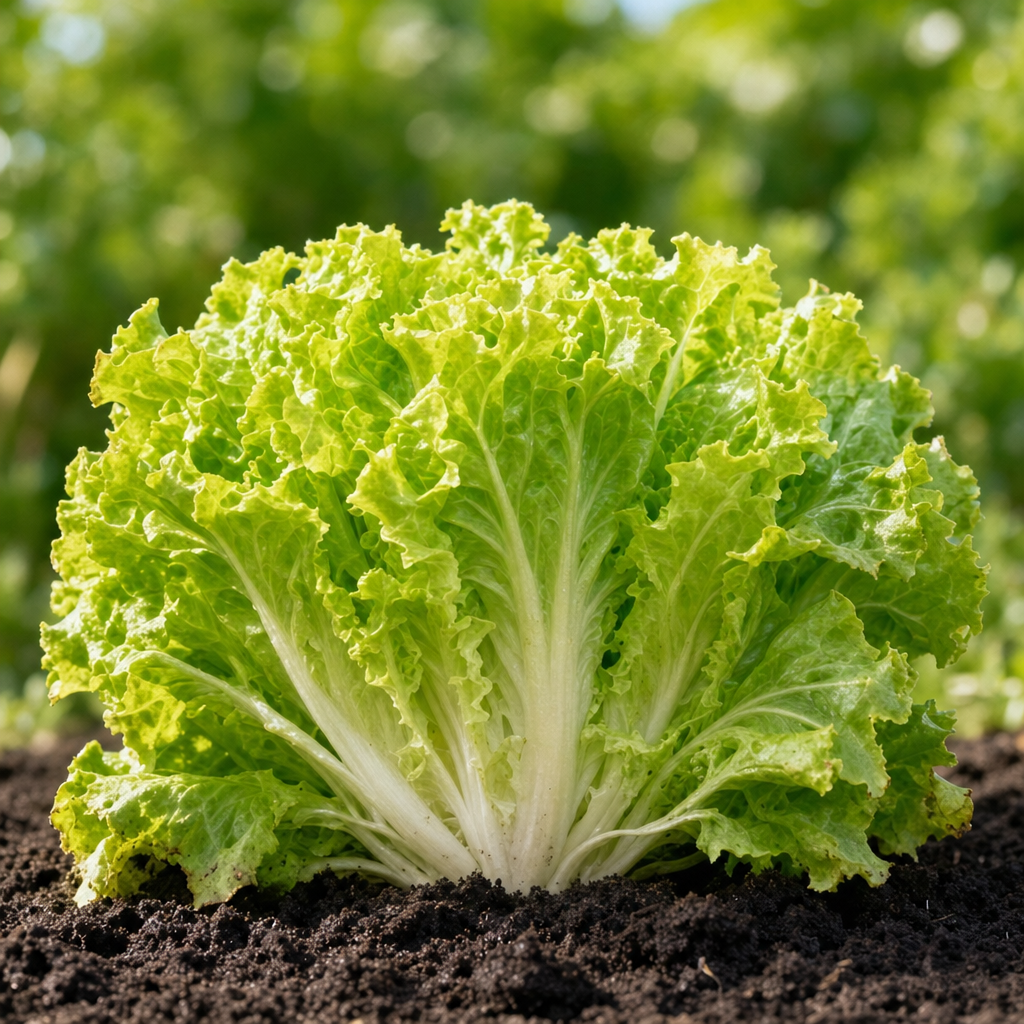
Chicory Leonardo F1
Cichorium intybus
Early witloof chicory with firm white heart.- Excellent source of vitamin K, calcium, and folates for strong bones
- Promotes digestion and helps control weight naturally
- Sulfur compounds protect against certain cancers and detoxify the body

Pays-Bas

Plant Profile

Cultivation Calendar
Growing Tips
Conditions and Method of Lettuce Sowing
Lettuce sowing is one of the most accessible operations in the vegetable garden, achievable in protected cultivation or directly in open ground depending on the season. To succeed with your seeds, prepare a light and well-drained substrate, ideally composed of a mix of horticultural soil and fine sand, which ensures good aeration for the emerging roots. The soil temperature should be between 15 and 20 °C for optimal germination, with air temperatures around 18 °C. Lettuce seeds, which are very small, should be sown on the surface or barely covered (less than 3 mm), as they need light to germinate properly. Moisture is crucial: water with a very fine spray using a sprayer to keep the substrate moist without over-saturating it. This gentle approach avoids moving the seeds and promotes a regular and robust emergence.
Germination and Early Plant Care
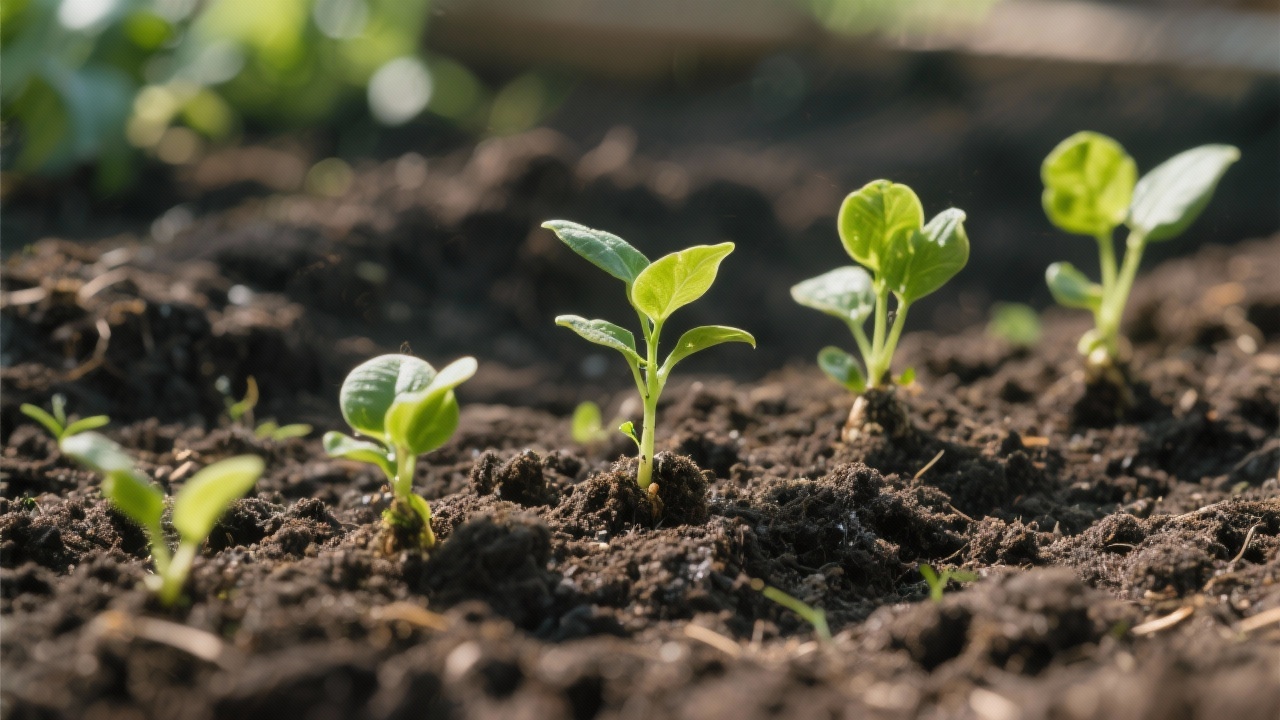
Expect about 5 to 10 days before the emergence of young plants, depending on temperature and humidity conditions. Once the cotyledons are visible, maintain sufficient natural or artificial light to prevent etiolation. To facilitate germination, lettuce seeds do not require any special pretreatment: a simple light soaking of 2 to 3 hours before sowing can accelerate results in organic or traditional cultivation. Sow with a spacing of 1 to 2 cm between seeds to allow young seedlings to develop without crowding. At the stage of 2 to 3 true leaves, usually 3 to 4 weeks after emergence, your plants will be ready for transplanting into individual pots, thus crossing the critical phase from young plant to more vigorous growth.
Key Points
- Temperature: 18-22°C, soil maintained at 15-20°C
- Moisture: Constant moisture but without excess, fine spraying
- Light: Soft light, indirect and constant exposure
- Transplanting: 2 fully developed true leaves
Conditions and Preparation for Planting Chicory Leonardo F1
Planting of Chicory Leonardo F1 occurs from March to September, as soon as weather conditions allow. The air temperature should be between 10 and 20 °C, with a soil temperature of at least 8 to 10 °C to ensure good root establishment. Avoid frost periods or significant temperature fluctuations. Before planting, carefully prepare the planting bed by removing weeds, loosening the soil to a depth of 15 to 20 cm, and incorporating mature compost or enriched potting soil to improve the structure and water retention of the substrate. One week before planting, gradually acclimate your young plants to the outdoors by exposing them to natural conditions. Just before planting, briefly soak the root balls in water or apply a light pralinage (soaking the roots in a soil-water mix) to reduce transplant shock and optimize recovery.
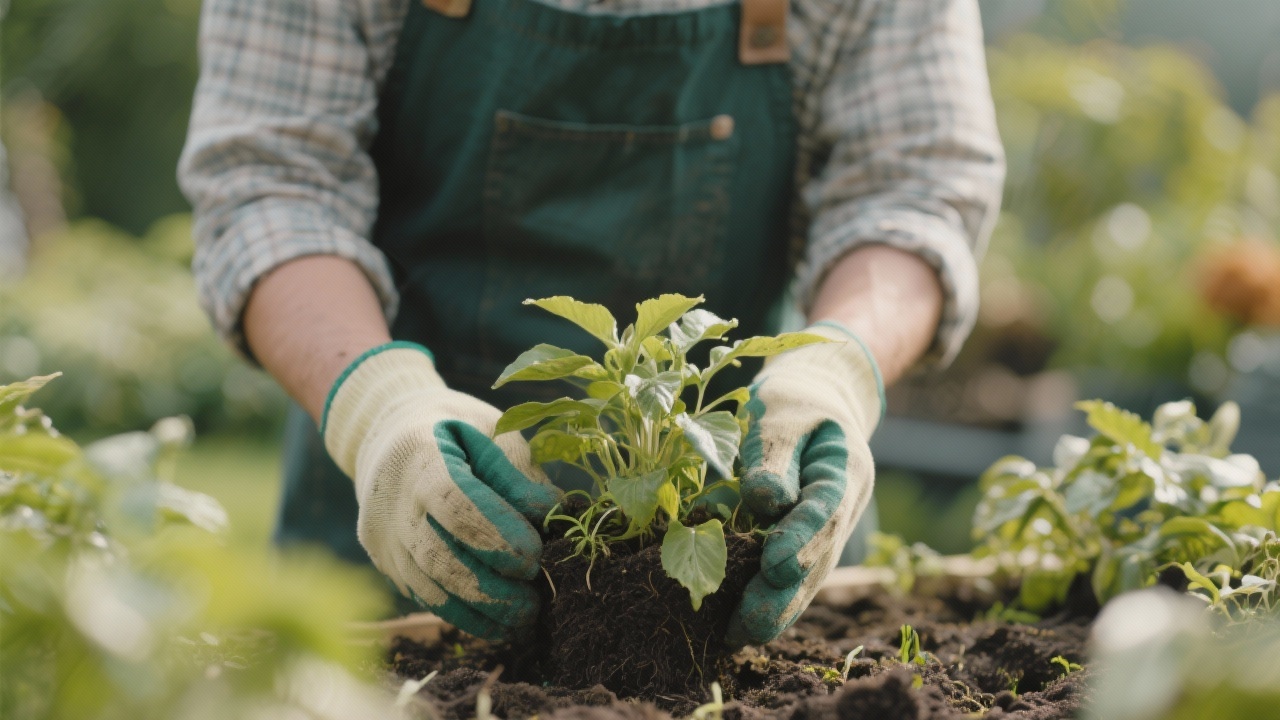
Planting and Installation of the Plant
Plant the root ball of Chicory Leonardo F1 at the same depth as the original pot: the collar (the junction area between the stem and roots) should remain at soil level, without excessive burial. Perform a light soil compaction around the base of the plant, then immediately proceed with a basin watering to eliminate air pockets and ensure optimal contact between the roots and the potting soil. Maintain a spacing of 25 to 30 cm between each plant and 35 to 40 cm between rows to allow sufficient air circulation and limit health risks. Once planting is complete, apply a light organic mulch (straw, dried grass clippings, or shredded leaves) to reduce evaporation, regulate soil temperature, and decrease competition from weeds.
Key Points
- Depth: Place the collar at soil level, 1-2 cm
- Spacing: 30-35 cm between plants, 40-45 cm between rows
- Watering: Basin watering after planting, keep soil moist
- Mulching / Protection: Mulch 5-7 cm with straw/leaves, limit evaporation
Growth and vigor management of the plant
The Chicory Leonardo F1 requires regular and moderate watering throughout its cultivation: expect two to three irrigations per week depending on climatic conditions, favoring morning watering to limit leaf moisture and reduce health risks. Keep the soil consistently moist without saturation, as water stress promotes premature bolting and affects leaf quality. A gradual fertilization based on organic inputs—refined compost, nettle manure, or balanced organic fertilizers—supports leaf growth during the first two-thirds of the cultivation; split these inputs every 15 days to avoid excess nitrogen. Practice regular hoeing during the first three to four weeks to eliminate weeds and aerate the soil, then install a light mulch (compost, fine straw) that reduces evaporation and regulates root temperature. Ensure to maintain a sufficient spacing between plants (25 to 30 cm) to ensure good air circulation and limit subsequent maintenance of the foliage.
Health protection and environmental balance
Regular monitoring of the foliage allows for early detection of garden pests (aphids, flea beetles) and plant diseases (gray rot, downy mildew) that thrive in excessive humidity conditions. Adopt an ecological approach: prioritize prevention through good aeration, limit foliar watering, and remove damaged leaves as soon as they appear. In case of a limited outbreak, biological solutions (diluted black soap, plant manure) are usually sufficient before any chemical intervention. Maintain stable climatic conditions—ideal temperature between 15 and 20 °C, moderate humidity—by providing slight shade during extreme heat. Integrate crop rotation in your garden: never plant Batavia in the same spot for two consecutive years to break pest cycles. Beneficial associations (onion, carrot, chard) create a balanced environment that enhances plant resilience and naturally reduces garden maintenance interventions.
Key Points
- Soil type: Light, draining, rich in organic matter, neutral pH 6.5-7.0
- Maintenance: Shallow hoeing every 10 days, early weeding, mature compost before planting
- Watering: After establishment, 15-20 mm 2-3×/week, without excess water
- Preventive action: Organic mulch 5-8 cm, insect netting, three-year crop rotation
Maturity Indicators and Optimal Harvest Conditions
The Chicory Leonardo F1 reaches its harvest maturity between 50 and 70 days after planting, depending on climatic conditions and the growing cycle. The main indicators for identifying the right stage are the formation of a compact and fleshy head, with well-developed leaves showing a nice blonde coloration, and a firm base when pressed with fingers. Harvesting should take place in the late morning, after the evaporation of the night dew but before the hot hours, to ensure optimal water content of the fresh vegetable. Favorable weather conditions include no recent rain and moderate temperatures (between 10 and 20 °C). In an organic or conventional vegetable garden, the harvest frequency gradually spans 2 to 3 weeks, allowing for staggered picking. The average yield is between 20 and 30 tons per hectare under optimal conditions, with an average of 400 to 600 grams per plant depending on planting density and soil moisture management.
Cutting Techniques, Handling, and Post-Harvest Storage
The picking of Batavia Blonde de Paris is done manually or with a sharp knife, cutting the head at its base close to the ground to preserve the structural integrity of the vegetable. This cutting method limits injuries and oxidation of leaf tissues, key factors for preservation. After harvesting, the heads must be handled gently, quickly sorted to remove any damaged leaves, and cleaned of soil residues. A rapid pre-cooling (refrigeration at 4 °C within 2 hours) is highly recommended to maintain the firmness and freshness of the product. Optimal storage is at a temperature of 0 to 2 °C with a relative humidity of 95 to 98%, allowing for preservation of 10 to 14 days without significant loss of quality. For short circuits and direct sales from the garden, keeping the lettuces out of direct light and drying ensures the best preservation of fresh fruits and vegetables until marketing or consumption.
Key Points
- Period: 60-70 days after sowing, spring-early summer
- Stage: Tender green to blonde head, moderate firmness
- Method: Clean knife at the base, without tearing leaves
- Storage: 0-2°C, humidity 95%, max 14 days refrigerated
Fresh flavor and culinary versatility of Batavia Blonde de Paris
The Batavia Blonde de Paris Lettuce is a garden lettuce that stands out for its wavy and crunchy leaves, perfect for enhancing home cooking. Only the leaves are consumed, offering a delicately sweet and herbaceous flavor, with a crunchy and juicy texture highly appreciated by fresh vegetable lovers. In the kitchen, it excels raw in salads, where it develops its full freshness and unmatched crunch, but it also tolerates short cooking by steaming or sautéing (3 to 5 minutes) which slightly softens its flavor profile. It harmoniously pairs with aromatic herbs like parsley, chives, and tarragon, as well as light dressings made from olive oil, white vinegar, or fresh lemon. Stuffed with vegetables or plant-based proteins, it also becomes a delicious base for more elaborate culinary compositions.
Nutrition, seasoning, and storage for lasting freshness
Rich in vitamins C and K, fiber, and essential minerals, Batavia provides a light and remineralizing nutritional contribution to everyday plant-based recipes. Its almost non-existent bitterness makes it a vegetable accessible to all palates. The seasoning benefits from remaining simple: a dressing made from extra virgin olive oil and vinegar, seasoned with salt and pepper, is enough to enhance its delicacy. For short-term storage, keep it in the refrigerator in a vegetable drawer, wrapped in absorbent paper, where it lasts 5 to 7 days. For long-term storage, freezing is possible after a quick blanching (2 minutes in boiling water), although the initial crunchy texture is no longer guaranteed. The lacto-fermentation of its leaves also offers a tasty and probiotic alternative, enriching your home cooking with artisanal fermentation.
Key Points
- Taste profile: Fresh and sweet, wavy leaves, crunchy and melting texture
- Classic preparations: Raw salad, quick steam, light side dish
- Winning pairings: Dressing, parsley, lemon, Mediterranean herbs
- Storage: Refrigerator 7-10 days, freezing after blanching
Smart Companions