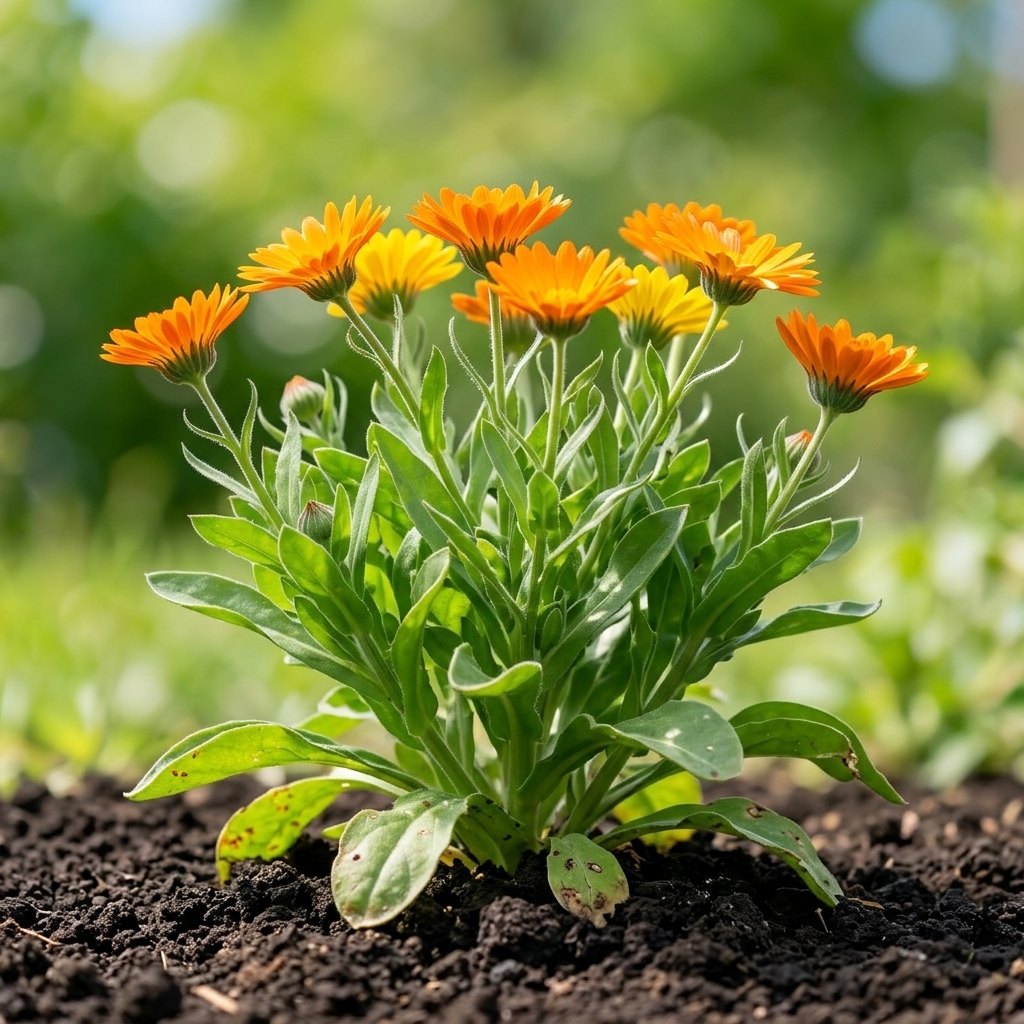
Pot Marigold
Calendula officinalis
Orange medicinal and edible flowers with generous continuous blooming.- Rich in carotenoids and flavonoids with anti-inflammatory properties
- Wound-healing and soothing properties recognized for sensitive skin
- Natural orange food colorant, economical saffron substitute
Origine des graines : Pays-Bas
Certification bio NL-BIO-01.528-0006532.2025.002
GTIN : 3770042795031
Plant Profile

Cultivation Calendar
Growing Tips
Calendula Sowing: Method and Optimal Conditions
Calendula (Calendula officinalis), also known as pot marigold, is among the easiest plants to sow. Sowing can be done in open ground from March to May or directly outdoors at the start of spring. Seeds germinate easily at cool temperatures of 10 to 18°C — unlike most summer flowers, calendula actually appreciates early sowings in March–April. Sow seeds at 1–2 cm depth, spaced 5 cm apart, in rows or clusters. Germination occurs in 5 to 10 days. An indoor sowing under cold greenhouse or on a kitchen windowsill in February–March allows earlier flowering from May.
Germination and Seedling Care
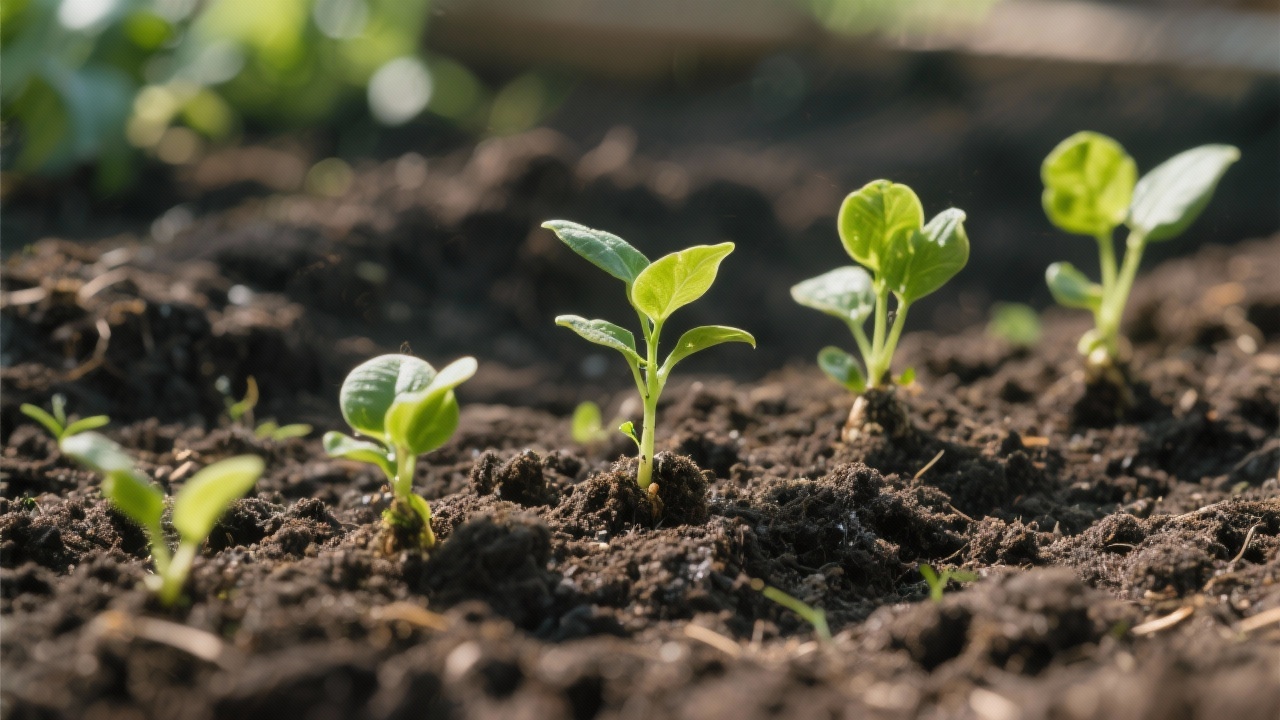
Young calendula plants are robust and undemanding. They tolerate cool spring temperatures and are frost-hardy down to -3°C. Thin plants once they reach 5 cm, retaining the most vigorous spaced 25 to 30 cm apart. Calendula self-seeds freely year after year and can naturally colonize garden corners. Its short, fibrous roots handle transplanting well at a young stage.
- Temperature: 10–18°C, tolerates spring coolness
- Humidity: Slightly moist soil, correct drainage
- Light: Full sun, tolerates light semi-shade
- Transplanting: Well tolerated at young stage (2–3 leaves)
Key Points
- Temperature: 10–18°C, tolerates cool conditions
- Humidity: Slightly moist soil
- Light: Full sun
- Transplanting: Well tolerated at young stage
Planting Calendula in Open Ground and Containers
Calendula adapts to almost all soil types including poor, dry and slightly acidic soils. Its plasticity is remarkable: it thrives in the vegetable garden, in flower borders, in containers on terraces. Choose a sunny position for abundant flowering, though light semi-shade is acceptable. Lightly prepare the soil by loosening it to 10 cm and incorporating a little compost if the soil is very depleted. Avoid heavy, poorly drained soils that promote root rot. Calendula is an ideal autumn plant: a late August sowing produces a magnificent autumn flowering until the frosts.
Planting Out and Calendula Management
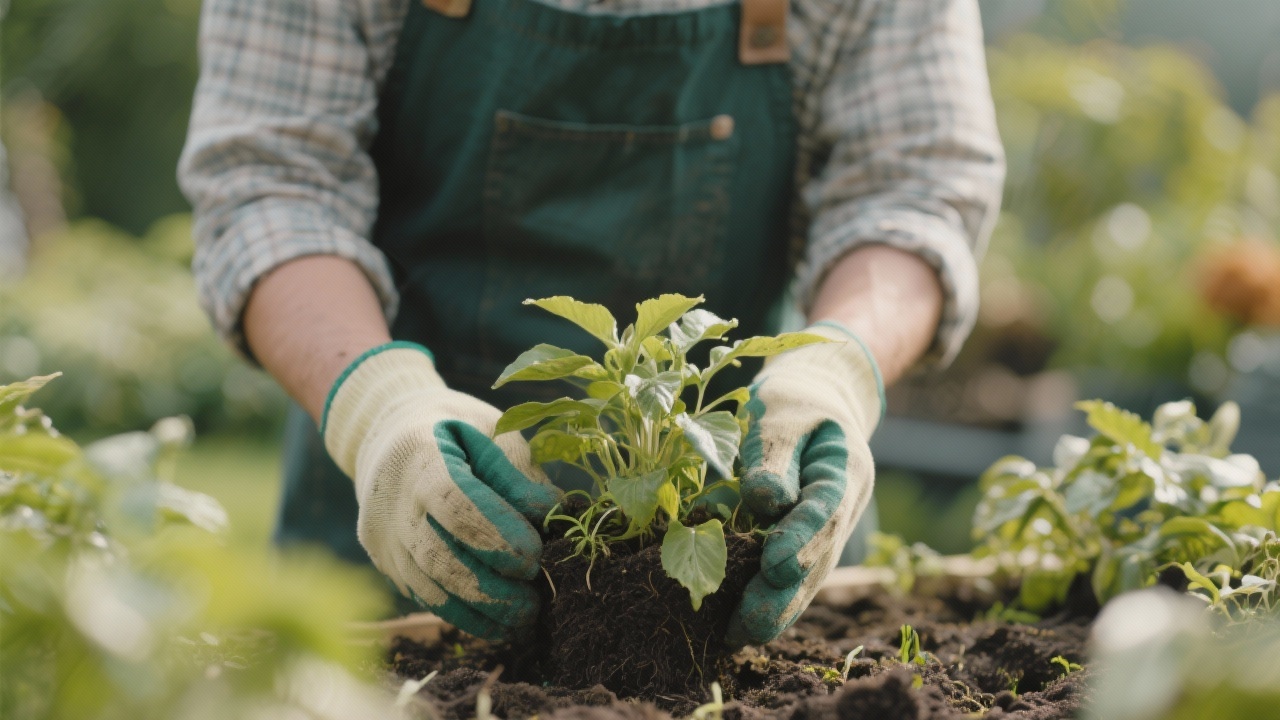
Install young plants with a spacing of 25 to 30 cm for good development and air circulation. Water moderately at planting and for the first few weeks. Once established, calendula is remarkably water-economical. It self-seeds naturally at season's end and returns effortlessly in areas where it has been planted. Beneficial companion associations in the vegetable garden are numerous: it repels certain vegetable pests through its root and aromatic secretions and attracts predatory hoverflies.
- Depth: 1–2 cm, direct sowing or transplanting
- Spacing: 25–30 cm between plants
- Watering: Moderate at establishment, then economical
- Soil: Any type, even poor and dry
Key Points
- Depth: 1–2 cm
- Spacing: 25–30 cm between plants
- Watering: Moderate then very economical
- Soil: Any type, even poor
Care and Continuous Flowering of Calendula
Calendula is an easy-care plant that requires a minimum of attention. The most important practice is regular deadheading: remove spent flowers as soon as they begin to fade to encourage the production of new flower buds and extend flowering. Without this intervention, the plant quickly sets seed and stops producing. Water moderately in hot, dry weather: calendula naturally tolerates water stress. No fertilization is needed in normally organically endowed soil. Light summer mulching reduces watering and maintains soil coolness.
Disease Resistance and Role in the Vegetable Garden
Calendula is relatively resistant to diseases. In hot, humid weather, powdery mildew may appear on late-season foliage: remove affected parts and improve aeration. Black aphids may colonize stems early in the season; treat with a water jet or potassium soap. In the vegetable garden, calendula plays a useful companion plant role: its root secretions repel certain nematodes and its flowers attract predatory hoverflies that consume aphids. Its sticky resin traps certain pest insects. It is classically associated with tomatoes, roses and beans.
- Soil type: Any type, even poor, pH 5.5–7.5
- Care: Regular deadheading essential for continuous flowering
- Watering: Moderate, tolerates drought well
- Prevention: Useful vegetable garden companion, repels nematodes, attracts hoverflies
Key Points
- Soil type: Any type, pH 5.5–7.5
- Care: Regular deadheading (very important)
- Watering: Moderate, drought-tolerant
- Prevention: Useful vegetable garden companion
Harvesting Calendula Flowers
Harvest calendula flowers at full opening, in dry, sunny weather, preferably late morning. Pick by holding the flower head and pulling sharply on the stem, or cut with scissors leaving 2 cm of stalk. Regular picking — ideally every 2 to 3 days at peak flowering — continuously stimulates production. For medicinal drying, harvest flower heads by separating petals from the green base, or collect whole flowers. Spread in a thin layer on drying racks in a warm, dry, shaded location for 7 to 14 days. Well-dried flowers should crumble easily under the fingers.
Storage and Value of Dried Flowers
Dried calendula flowers keep in airtight glass jars, away from light, for 1 to 2 years without significant loss of their active properties. Drying well preserves the carotenoids (responsible for the orange color) and the active flavonoids. Fresh petals are consumed immediately or frozen in small portions. Oil maceration for 3 to 6 weeks produces a calendula oil base for numerous cosmetic preparations. Dried petals naturally color butter, rice and sauces yellow-orange, advantageously replacing saffron.
- Period: May to November, continuous flowering
- Stage: Full opening, in dry weather late morning
- Method: Hand picking or scissors, harvest every 2–3 days
- Storage: Drying 7–14 days, airtight jar 1–2 years
Key Points
- Period: May–November, continuous
- Stage: Full opening in dry weather
- Method: Picking every 2–3 days
- Storage: Drying 7–14 days, jar 1–2 years
Calendula Petals in Cooking: Flavor, Color and Use
Calendula petals are natural culinary condiments and food colorants of great value. Their flavor is mild, slightly bitter and peppery, with honey notes. They color rice, pasta and soups a brilliant yellow-orange, much like saffron which they can economically replace in paella, risotto and bouillabaisse recipes. Fresh, the petals spectacularly garnish salads, fresh cheeses and desserts. Dried and ground to powder, they constitute a stable natural food colorant. In medieval Europe, calendula was commonly used to color meat dishes and sauces.
Medicinal and Cosmetic Properties of Calendula
Calendula is one of the most widely used medicinal plants in Europe for centuries. Rich in carotenoids, flavonoids and essential oils, its flowers have remarkable anti-inflammatory, wound-healing, antifungal and skin-soothing properties. Calendula-macerated oil is the base of numerous creams for sensitive skin, nappy rash and scarring. An infusion of dried flowers is used as a gargle for mouth ulcers and oral inflammation. It soothes mild digestive disorders and gastric spasms. Calendula is also used in homeopathy and veterinary phytotherapy for its gentle wound-healing properties.
- Flavor profile: Mild, slightly bitter and peppery, honey notes
- Classic uses: Natural rice/pasta colorant, flower salads, fresh cheese
- Best pairings: Fresh cheese, green salads, rice, soups
- Storage: Airtight drying 1–2 years, cosmetic oil maceration
Key Points
- Flavor profile: Mild, slightly bitter, honey notes
- Classic uses: Natural colorant rice/pasta, flower salads
- Best pairings: Fresh cheese, rice, soups, salads
- Storage: Airtight drying 1–2 years