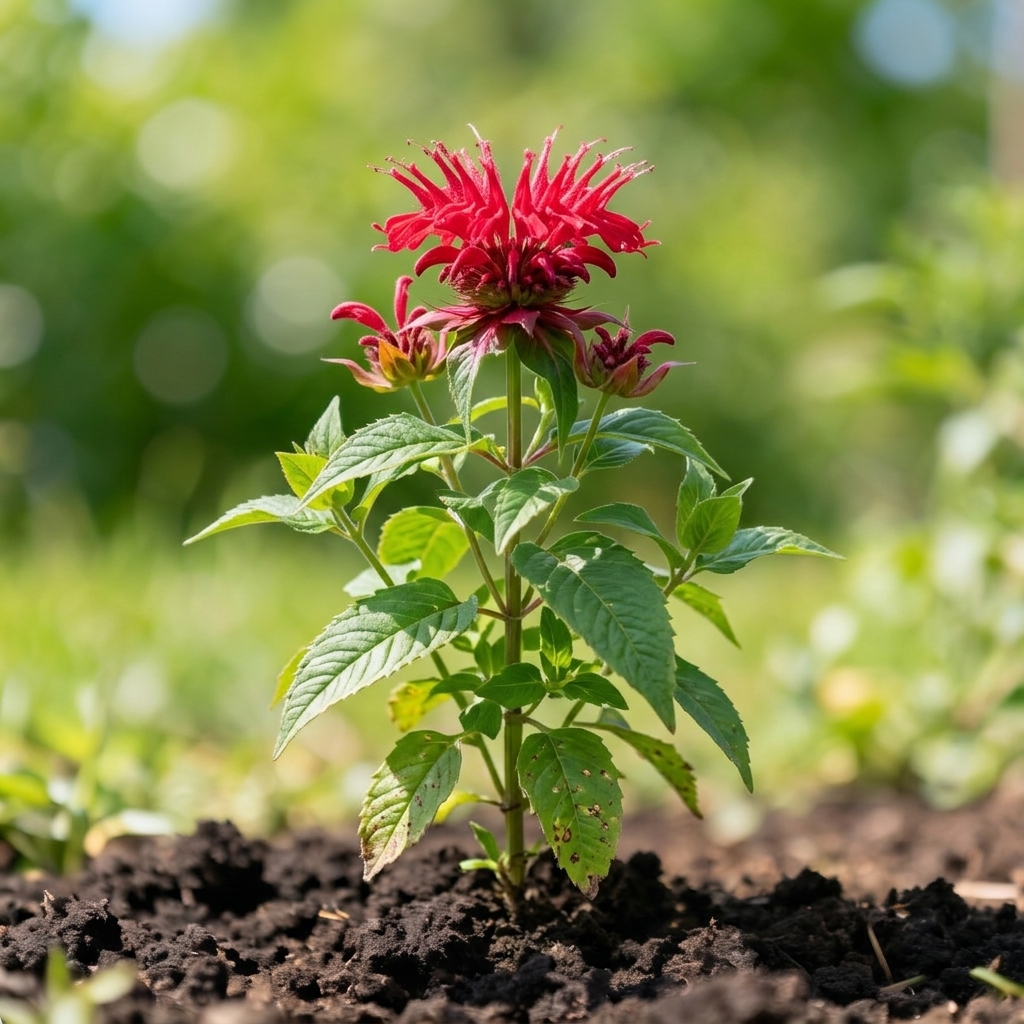
Bee Balm
Monarda didyma
Scarlet bee-attracting flowers with bergamot aroma for teas and cooking.- Rich in thymol and carvacrol with antimicrobial and antiviral properties
- Exceptional nectar plant, attracting bumblebees and butterflies
- Promotes digestion and soothes mild respiratory complaints
Origine des graines : Pays-Bas
Certification bio NL-BIO-01.528-0006532.2025.002
GTIN : 3770042795055
Plant Profile

Cultivation Calendar
Growing Tips
Sowing and Germination of Bee Balm
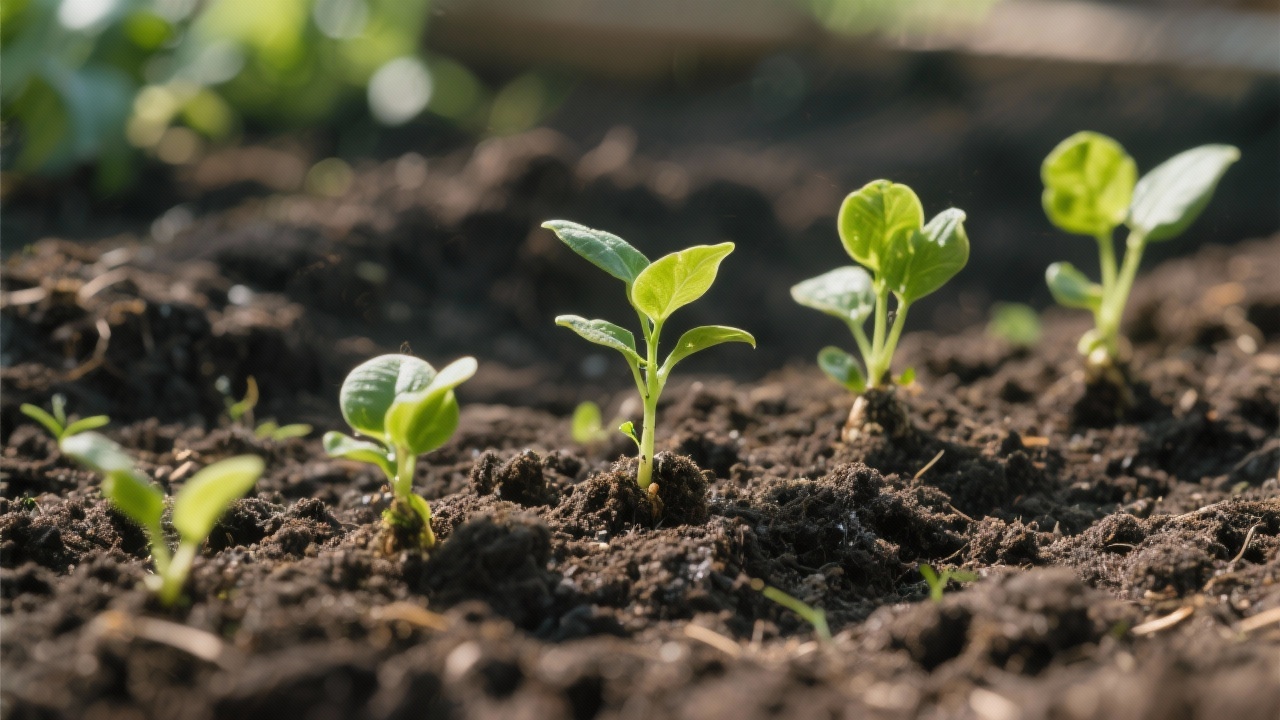
Bee balm (Monarda didyma) can be sown indoors from January to March or directly in open ground from April to June. Indoor sowing produces more vigorous plants for the first year. Use light, lightly firmed seed compost, pre-moistened. Sow seeds on the surface without covering or with a 1 mm layer of vermiculite, as they need light to germinate. The ideal germination temperature is between 18 and 21°C. Cover with plastic film to maintain moisture and place the tray in a well-lit location. Germination is sometimes irregular; some seeds may take 2 to 4 weeks to emerge.
Young Bee Balm Plant Development
Bee balm germination is often staggered: don't despair if emergence is not uniform. Once plants have appeared, remove the film and expose them to direct light to prevent etiolation. At the 4 to 6 true-leaf stage, pot on into individual 10 cm containers. Young bee balm plants are robust and undemanding. Begin hardening them outdoors 3 to 4 weeks before final planting. Bee balm is perennial in USDA zones 4–9 and returns faithfully each spring once established in the garden. It can also be propagated by clump division in spring.
- Temperature: 18–21°C, germination sometimes spread over 2–4 weeks
- Humidity: Slightly moist substrate, do not over-water
- Light: Essential for germination, keep in bright location
- Transplanting: 4–6 true leaves, 10 cm pots
Key Points
- Temperature: 18–21°C, germination sometimes staggered
- Humidity: Slightly moist substrate
- Light: Essential for germination
- Transplanting: 4–6 true leaves, 10 cm pots
Planting Conditions for Bee Balm in the Garden
Bee balm is planted in the garden in spring (April–May) or autumn (September–October). It appreciates a fresh, organically rich and slightly acidic soil (pH 6.0 to 7.0). Although tolerant of semi-shade, 4 to 6 hours of sunlight per day promotes abundant flowering. Prepare the planting zone by loosening the soil to 25–30 cm depth and incorporating well-decomposed compost. Bee balm appreciates soils that retain moisture well without waterlogging: amend sandy soils with organic matter and clay soils with coarse sand to improve drainage.
Planting Out and Spacing Considerations
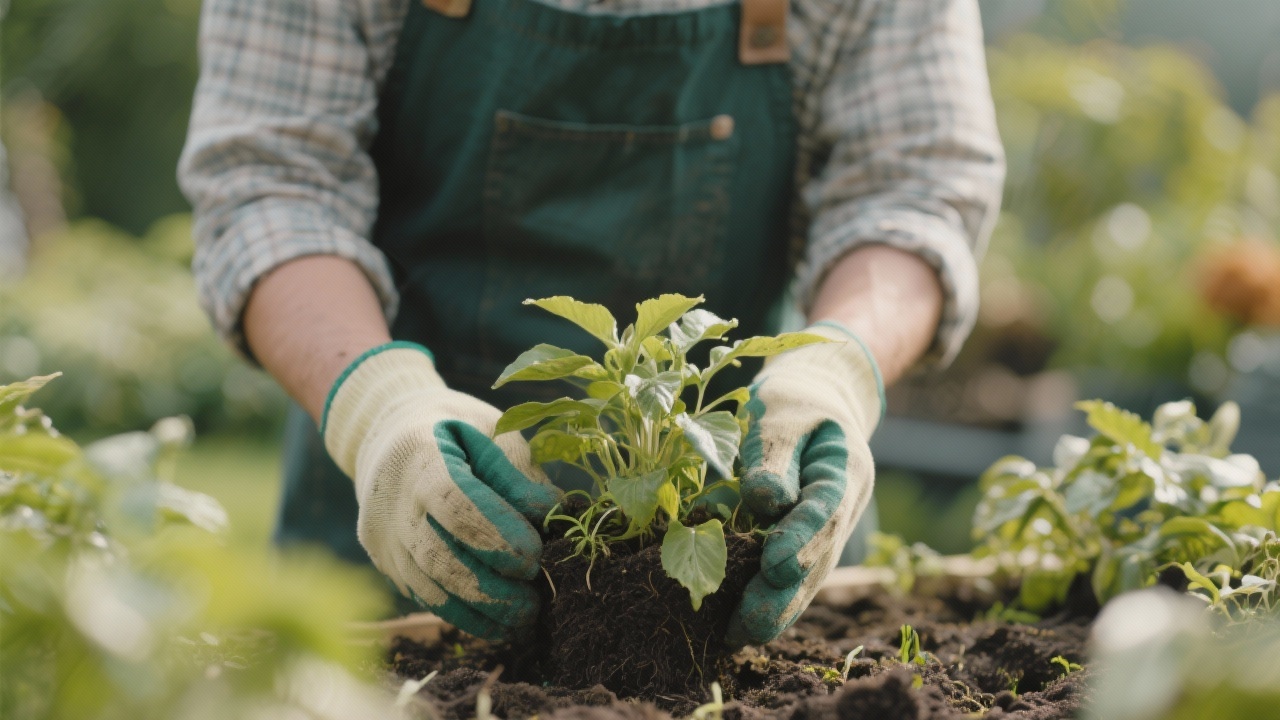
Maintain a spacing of 40 to 50 cm between plants, as bee balm spreads rapidly via creeping rhizomes. Plan for this natural expansion in your garden layout. Water copiously at planting and keep the soil moist for the first weeks to encourage rooting. An organic mulch of 7 to 8 cm around the base reduces evaporation and limits weed growth. Once established, bee balm is very resilient and low-maintenance. Divide clumps every 3 to 4 years to rejuvenate plants and control spreading.
- Depth: Collar slightly above soil level
- Spacing: 40–50 cm between plants (rhizomatous spread)
- Watering: Generous at planting, then regular in dry periods
- Mulching: 7–8 cm organic to retain soil moisture
Key Points
- Depth: Collar slightly above soil
- Spacing: 40–50 cm (rhizomatous spread to plan for)
- Watering: Generous then regular in drought
- Mulching: 7–8 cm organic
Care and Flowering of Bee Balm
Bee balm is a robust perennial requiring little maintenance once established. Water regularly in dry periods as it tolerates prolonged drought poorly, which reduces flowering and encourages powdery mildew. Light organic spring fertilization (surface compost application) is sufficient to nourish plants for the entire season. Regularly remove spent flowers to prolong and stimulate flowering from June to September. At season's end, cut stems to 10–15 cm from the ground after complete flowering to conserve energy in the rhizomes. Divide dense clumps every 3 years to maintain plant vigor.
Powdery Mildew: the Main Disease of Bee Balm
The main weakness of bee balm is its susceptibility to powdery mildew (Erysiphe cichoracearum), a fungus that covers leaves with a white floury coating during hot, humid summers. To prevent this disease, choose resistant species and cultivars (Monarda didyma 'Jacob Cline', 'Raspberry Wine'), improve air circulation around plants and avoid excess nitrogen. In case of attack, remove affected parts and treat with a sulphur or bicarbonate of soda solution (5 g/litre). Hard pruning in summer and moderate base watering naturally strengthen plants' defenses.
- Soil type: Fresh, rich in organic matter, pH 6.0–7.0
- Care: Deadheading, autumn pruning, division every 3 years
- Watering: Regular in drought, never excess
- Prevention: Vigilance for powdery mildew, good aeration, resistant cultivars
Key Points
- Soil type: Fresh, rich, pH 6.0–7.0
- Care: Deadheading, autumn pruning, division every 3 years
- Watering: Regular in drought, moderate
- Prevention: Powdery mildew vigilance, good aeration
Harvesting Bee Balm Flowers and Leaves
The scarlet flowers of bee balm are harvested at full opening, from June to August, by cutting with scissors above a leaf node to stimulate new shoot production. Leaves, harvested at any time during the growing season, are most fragrant just before flowering. Pick preferably in the morning for maximum essential oil concentration. For drying, harvest entire flowering stems and form hanging bunches in a warm, dry, shaded location for 10 to 14 days. Harvest seeds in autumn when the seed heads are dry and brownish.
Preservation and Use of Harvested Parts
Fresh flowers keep for 2 to 4 days in a vase of cold water. Dried flowers and leaves keep in airtight glass jars, away from light, for 1 to 2 years without significant loss of properties. Drying preserves the characteristic bergamot aromas well. Flowers also freeze well in small portions for later use in cooking or infusion. Oil-macerated bee balm essential oil, extractable by maceration in olive oil, constitutes a precious aromatic condiment and a soothing cosmetic preparation.
- Period: June–August for flowers, full season for leaves
- Stage: Full flower opening, before flowering for leaves
- Method: Scissors, bunches for drying, morning picking
- Storage: Vase 2–4 days, drying 12 months, freezing
Key Points
- Period: June–August (flowers), full season (leaves)
- Stage: Full flower opening
- Method: Scissors in bunches for drying
- Storage: Vase 2–4 days or airtight dried storage
Bergamot Aromas and Culinary Uses of Bee Balm
Bee balm is nicknamed "Oswego tea" in reference to its traditional use as a tea substitute by Native Americans and American colonists during the British tea boycott. Its leaves and flowers develop a complex aroma of bergamot and citrus, close to Earl Grey, used in hot or iced infusions. The scarlet petals, lightly sweet and peppery, spectacularly garnish summer salads and desserts. Fresh leaves flavor vinaigrettes, meat marinades and fruit salads. In traditional Mexican cooking, bee balm (called oregano mexicano) perfumes slow-cooked dishes and red sauces.
Medicinal Properties and Natural Preparations
Bee balm is rich in thymol and carvacrol, two phenolic compounds with potent antimicrobial, antiviral and antifungal properties. It is used in Native American and European traditional medicine to treat digestive disorders, colds and mild infections. An infusion of fresh or dried leaves constitutes a traditional remedy for sore throats and nausea. Its essential oil, close to thyme in composition, is used in aromatherapy and in natural cosmetic preparations. It powerfully attracts bumblebees, butterflies and hummingbirds: it is a first-class nectar plant for garden biodiversity.
- Flavor profile: Bergamot, citrus, lightly spicy and peppery
- Classic uses: Homemade Earl Grey tea, flower salads, marinades
- Best pairings: Citrus, honey, mint, fresh cheese, poultry
- Storage: Drying or freezing, airtight jar 1–2 years
Key Points
- Flavor profile: Bergamot, citrus, lightly spicy
- Classic uses: Infusions, flower salads, poultry marinades
- Best pairings: Citrus, honey, mint, fresh cheese
- Storage: Airtight dried storage 1–2 years or freezing