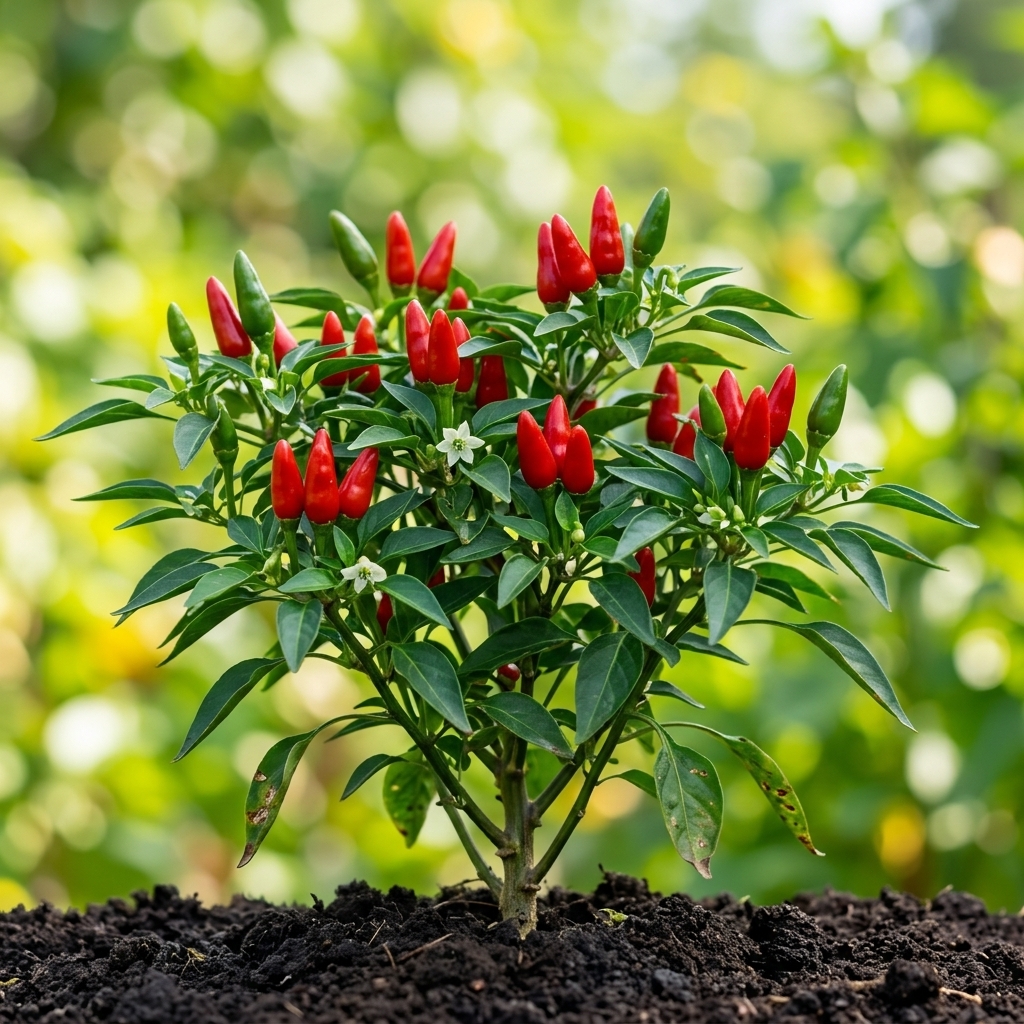
Piment Tabasco
Capsicum annuum
Piment rouge ardent, 30 000 à 50 000 Scoville, intense et fruité.- Riche en capsaïcine aux propriétés anti-douleur et antimicrobiennes
- Excellente source de vitamine C et bêta-carotène, renforçant l'immunité
- Stimule la thermogenèse et favorise la circulation sanguine

certifiées bio

France
Profil de la plante

Calendrier de culture
Conseils de culture
Semis du piment Tabasco : conditions et méthode
Le piment Tabasco est une espèce très gourmande en chaleur dont la germination exige impérativement une température constante de 25 à 30 °C. Démarrez les semis en intérieur dès janvier-février pour profiter d'une longue saison de croissance. Utilisez un substrat spécifique pour semis, léger et bien drainé, humidifié à l'avance. Semez 2 à 3 graines par godet à 5 mm de profondeur et couvrez d'un film ou d'un couvercle transparent pour créer un effet de serre. Un tapis chauffant sous les godets est fortement recommandé pour maintenir la chaleur au niveau des racines. En l'absence de chaleur suffisante, la germination peut prendre plusieurs semaines ou ne pas se produire.
Germination et conduite des jeunes plants
La levée intervient entre 10 et 21 jours selon la fraîcheur des graines et la chaleur maintenue. Dès l'apparition des premières pousses, retirez le couvercle pour éviter les maladies fongiques et exposez les plants à une lumière intense – une lampe de croissance est conseillée en janvier-février. Conservez le tapis chauffant jusqu'au stade 4 vraies feuilles. Ne transférez les plants en pleine terre qu'après le 25 mai et seulement si les températures nocturnes dépassent régulièrement 15 °C. En régions à été court, la culture sous serre ou tunnel est recommandée pour obtenir une bonne production. La mise à fruit nécessite environ 90 à 100 jours après la plantation.
- Température : 25-30°C impératif, tapis chauffant indispensable
- Humidité : Substrat légèrement humide, bonne ventilation
- Lumière : Lampe de croissance recommandée en janvier-février
- Repiquage : Stade 4-6 vraies feuilles, mai-juin
Points clés
- Température : 25-30°C, tapis chauffant indispensable
- Humidité : Substrat légèrement humide
- Lumière : Lumière intense ou lampe croissance
- Repiquage : 4-6 vraies feuilles, mai-juin
Conditions de plantation et préparation du sol pour le piment Tabasco
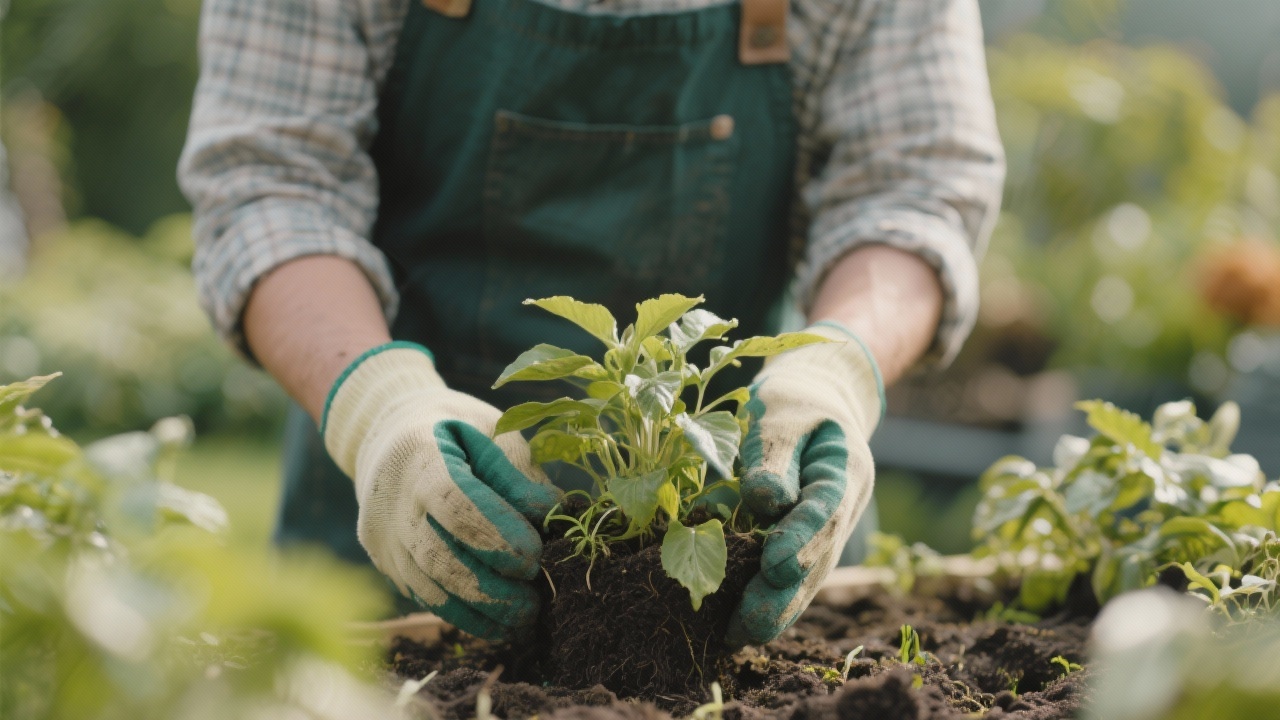
Plantez le piment Tabasco en pleine terre seulement lorsque la température du sol atteint durablement 18 °C minimum et que tout risque de gel est écarté – généralement fin mai à début juin en France. Choisissez l'emplacement le plus chaud et ensoleillé du jardin, de préférence contre un mur ou une clôture exposés sud pour bénéficier de la réverbération thermique. Préparez le sol en incorporant un compost bien mûr et une poignée d'engrais organique à libération lente. Un sol légèrement acide (pH 6,0 à 6,8) riche en matière organique est idéal. Arrosez la veille de la plantation pour hydrater les mottes et faciliter la sortie des godets sans endommager les racines.
Mise en terre et premiers soins
Plantez chaque pied à la même profondeur que dans le godet, en ménageant un espacement de 45 à 60 cm entre plants pour permettre une bonne circulation d'air. Installez un tuteur solide dès la plantation pour anticiper la future charge en fruits. Arrosez copieusement à la plantation en formant une cuvette autour de chaque plant. Paillez avec 7 à 10 cm de paille ou de foin haché pour maintenir la chaleur du sol et réduire les arrosages. En cas de vent froid ou de fraîcheur nocturne persistante, protégez les jeunes plants avec un voile de forçage pour les deux premières semaines.
- Profondeur : Même profondeur que dans le godet
- Espacement : 45-60 cm entre plants, 60 cm entre rangs
- Arrosage : Copieux à la plantation, puis régulier et modéré
- Paillage : 7-10 cm, maintient la chaleur du sol
Points clés
- Profondeur : Même profondeur que le godet
- Espacement : 45-60 cm entre plants
- Arrosage : Copieux à la plantation
- Paillage : 7-10 cm pour maintenir la chaleur
Arrosage, fertilisation et conduite du piment Tabasco
Le piment Tabasco demande un arrosage régulier mais modéré : un excès d'eau provoque la chute des fleurs et des fruits immatures. Maintenez le sol légèrement humide sans jamais le laisser détrempé. En période de forte chaleur et de mise à fruit, augmentez légèrement les apports hydriques tout en veillant à un bon drainage. Une fertilisation régulière tous les 15 jours avec un engrais organique riche en potassium et en phosphore (type engrais tomates) favorise une fructification abondante et des piments bien colorés. L'apport d'azote doit rester modéré pour concentrer l'énergie dans la production de fruits plutôt que dans la croissance végétative. Tuteurez les tiges principales dès qu'elles atteignent 40 cm.
Gestion sanitaire et protection contre les ravageurs
Les principaux ravageurs du piment Tabasco sont les pucerons, les acariens rouges (en conditions chaudes et sèches) et les aleurodes. Inspectez régulièrement le dessous des feuilles et traitez précocement avec du savon potassique ou de l'huile de neem en dilution. Par temps humide et frais, surveillez l'oïdium et le mildiou ; améliorez la ventilation autour des plants et évitez les arrosages sur le feuillage. La rotation des cultures est importante : n'implantez pas de solanacées (tomates, aubergines, pommes de terre) au même endroit pendant 3 ans. La culture sous serre améliore considérablement les rendements dans les régions à étés courts.
- Type de sol : Sol riche, légèrement acide pH 6,0-6,8, bien drainé
- Entretien : Fertilisation organique tous les 15 jours, tuteurage régulier
- Arrosage : Régulier et modéré, éviter les excès, arroser au pied
- Action préventive : Rotation 3 ans, surveillance pucerons/acariens, huile de neem
Points clés
- Type de sol : Riche, légèrement acide pH 6,0-6,8, drainé
- Entretien : Fertilisation K-P tous les 15 jours, tuteurage
- Arrosage : Régulier et modéré, jamais d'excès
- Action préventive : Rotation 3 ans, surveillance acariens et pucerons
Récolte et maturation du piment Tabasco
Les piments Tabasco atteignent leur maturité complète en passant du vert au jaune puis à l'orange et enfin au rouge vif brillant, 90 à 100 jours après la transplantation. La récolte peut se faire à tous les stades de maturité selon l'usage culinaire souhaité : les piments verts sont plus frais et légèrement moins piquants, les rouges sont plus intenses et sucrés. Utilisez des gants de protection lors de la récolte et évitez de toucher les yeux ou les muqueuses. Coupez les piments avec des ciseaux propres en laissant 1 cm de pédoncule pour prolonger la conservation. La production est continue de août jusqu'aux premières gelées.
Conservation et transformation des piments récoltés
Les piments Tabasco se conservent 2 à 3 semaines au réfrigérateur dans un sac perforé. Pour une conservation longue durée, plusieurs méthodes s'offrent à vous : le séchage (les piments peuvent être enfilés sur un fil et séchés à l'air libre ou au four à 70 °C pendant 6 à 8 heures), la congélation en entier ou en purée, ou encore la fermentation pour préparer une sauce Tabasco maison. La lactofermentation des piments dans de l'eau salée pendant 3 à 4 semaines produit une sauce piquante aux arômes complexes et à la conservation naturellement longue. Les piments séchés et réduits en poudre constituent un condiment précieux se conservant 1 à 2 ans.
- Période : Août-premières gelées, récolte continue par stades
- Stade : Du vert (léger) au rouge vif (maximum piquant)
- Méthode : Ciseaux avec 1 cm de tige, gants de protection obligatoires
- Stockage : 2-3 semaines réfrigérateur, séchage ou congélation long terme
Points clés
- Période : Août-premières gelées
- Stade : Du vert au rouge selon usage
- Méthode : Ciseaux propres, gants obligatoires
- Stockage : 2-3 semaines frigo, séchage ou fermentation
Piquant intense et usages culinaires du piment Tabasco
Le piment Tabasco (30 000 à 50 000 unités Scoville) est réputé pour son piquant intense et persistant associé à des arômes fruités et acidulés. C'est la variété utilisée historiquement dans la célèbre sauce McIlhenny. Utilisé frais, il s'incorpore finement émincé dans les salsas mexicaines, les chutneys épicés et les marinades. Quelques rondelles dans une bouteille de vinaigre produisent un condiment piquant exceptionnel après 2 semaines de macération. Les piments Tabasco verts se préparent également en pickles dans du vinaigre de cidre, offrant une conservation longue et une touche épicée pour accompagner les fromages et charcuteries.
Propriétés nutritionnelles et manipulation avec précaution
Comme tous les piments forts, le Tabasco est riche en capsaïcine, un alcaloïde aux propriétés anti-douleur, thermogéniques et antimicrobiennes documentées. Il est également une excellente source de vitamine C, de vitamine A et d'antioxydants. La capsaïcine stimule la thermogenèse et peut contribuer à la gestion du poids. Lors de la manipulation, portez toujours des gants car la capsaïcine traverse la peau et peut provoquer des brûlures sévères. En cas de contact avec les yeux, rincez abondamment à l'eau froide. Pour atténuer le piquant en bouche, consommez du lait, de l'huile ou du pain – l'eau est inefficace car la capsaïcine n'est pas hydrosoluble.
- Profil gustatif : Très piquant (30 000-50 000 Scoville), fruité, légèrement acidulé
- Préparations classiques : Sauce Tabasco maison, salsas, marinades, pickles
- Accords gagnants : Crevettes, œufs, bloody mary, fromages forts, viandes grillées
- Conservation : Réfrigérateur 2-3 sem., séchage, fermentation, congélation
Points clés
- Profil gustatif : Très piquant, fruité, acidulé (30 000-50 000 SHU)
- Préparations classiques : Sauce maison, salsas, pickles, marinades
- Accords gagnants : Crevettes, œufs, bloody mary, viandes grillées
- Conservation : Frigo 2-3 sem., fermentation ou séchage