Curled Parsley
Petroselinum crispum
A decorative biennial herb with tightly ruffled leaves and fresh peppery flavour.- Exceptionally rich in vitamin C, K, A, and iron—more vitamin C than oranges
- Supports cardiovascular health, bone density, and immune function naturally
- Aids digestion, freshens breath, and enhances iron absorption from other foods

certifiées bio

Pays-Bas

Profil de la plante

Calendrier de culture
Conseils de culture
Conditions and preparation for planting
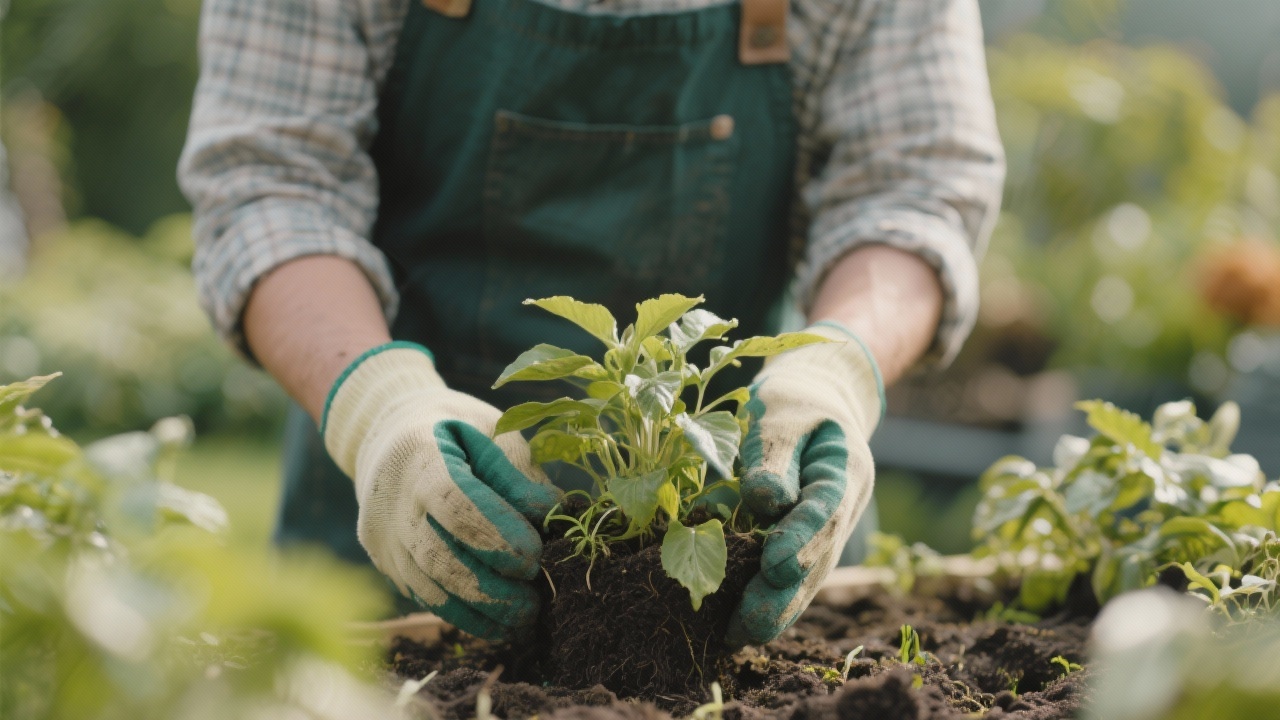
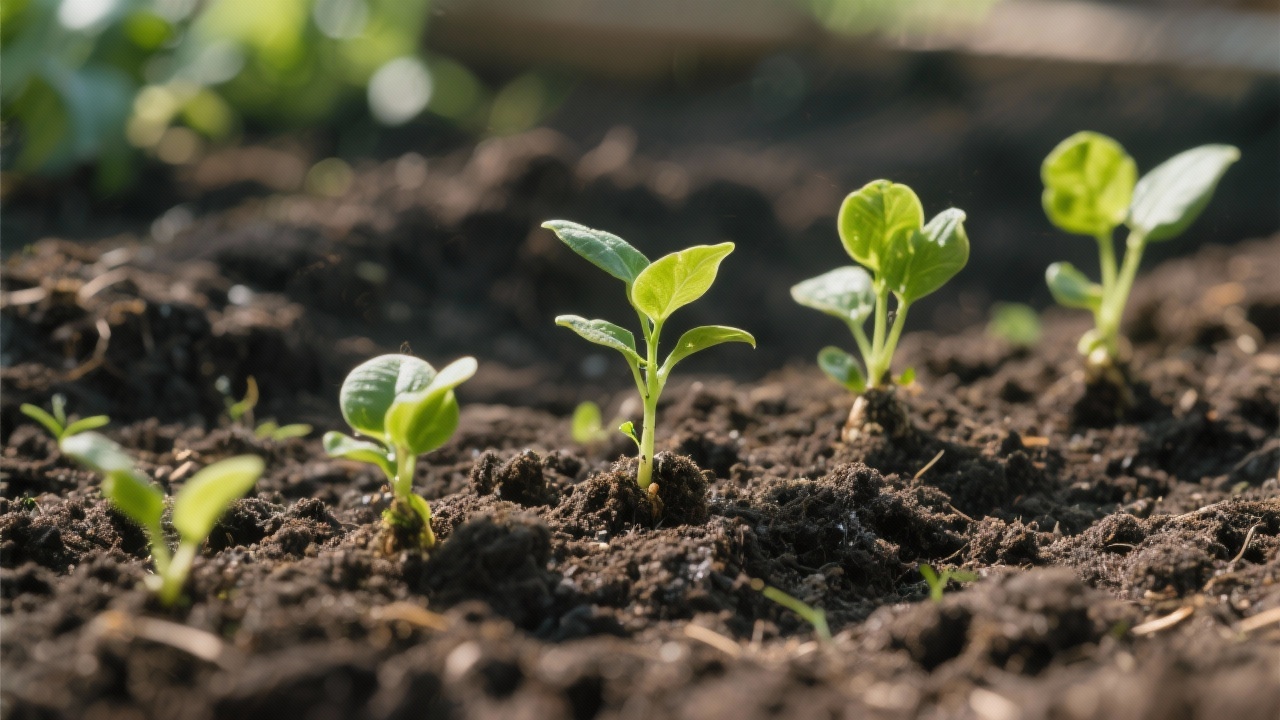
Curled Parsley seeds are notoriously slow to germinate, often requiring 3 to 6 weeks before seedlings appear, so patience is essential. Sow seeds indoors 6 to 8 weeks before the last spring frost date, or directly outdoors 3 to 4 weeks before the last frost when soil temperatures reach at least 10°C, with optimal germination at around 21°C. To accelerate the slow germination process, soak seeds overnight in warm water before sowing—this helps soften the hard seed coat and can reduce germination time significantly. Prepare a fine, well-worked seedbed in a sunny to partially shaded location with rich, moist, well-drained soil incorporating generous amounts of mature compost. Sow seeds approximately 5 mm deep, covering lightly with fine soil, and keep the seedbed consistently moist throughout the extended germination period without allowing it to dry out.Sowing Technique and Early Care
Sow parsley seeds in rows spaced 30 cm apart, scattering thinly along the drill, or start in individual modules or small pots indoors for later transplanting. When sowing indoors, use a quality seed-starting mix at room temperature and provide bright light once seedlings emerge. Thin or transplant seedlings to 15 to 20 cm apart once they have developed several sets of true leaves and are large enough to handle. Take extra care during transplanting as parsley develops a delicate taproot that resents disturbance—use a dibber to create a deep hole and lower the seedling in without bending the root. Water transplants immediately and keep the soil consistently moist but not waterlogged. A light mulch of finely shredded organic matter applied once seedlings are established helps maintain soil moisture and suppress early weed competition.À retenir
- Temperature : 10-21°C, optimal germination at 21°C, slow 3-6 weeks
- Humidity : Keep consistently moist throughout long germination, never let dry out
- Light : Full sun to partial shade, minimum 6 hours daily
- Transplanting : When several true leaf sets develop, handle taproot with care
Conditions and Preparation for Planting Curled Parsley
The optimal planting period for Curled Parsley extends from early spring through late spring, when soil temperatures have reached at least 10°C and the risk of heavy frost has diminished. As a biennial herb, parsley produces its best foliage during its first year of growth before flowering and going to seed in the second year—for this reason, most gardeners treat it as an annual and sow fresh each spring. Prepare your planting area by removing all weeds and loosening the soil to a depth of 20 cm, incorporating 3 to 4 cm of rich, mature compost to create a moisture-retentive yet well-draining growing medium with a pH of 5.5 to 6.7. Choose a site receiving full sun to partial shade—parsley tolerates more shade than many herbs, making it versatile for interplanting among taller vegetables. Harden off indoor-raised seedlings gradually over 7 to 10 days, taking extra care during transplanting as parsley develops a delicate taproot that resents disturbance.
Planting and Installing the Seedling
Plant Curled Parsley seedlings at the same depth they occupied in their containers, spacing plants 15 to 20 cm apart in rows set 25 to 30 cm apart to allow the dense, ruffled foliage room to develop fully. For larger, bushier plants, increase spacing to 20 to 25 cm. Gently firm the soil around each plant and water thoroughly immediately after planting to settle the soil and ensure good root-to-soil contact. Apply a 2 to 3 cm layer of organic mulch—such as straw, shredded leaves, or grass clippings—around each plant to conserve soil moisture, maintain cool root temperatures, and suppress weed competition. Parsley is an excellent companion plant for asparagus, tomatoes, corn, and peppers, and is said to help repel asparagus beetles and reduce carrot rust fly populations when interplanted. Container growing works very well for parsley—use a pot at least 15 cm deep with good drainage holes.
À retenir
- Depth : 5 mm deep, cover lightly with fine soil.
- Spacing : 15-20 cm between plants, rows 25-30 cm apart.
- Watering : Water thoroughly after planting, keep soil consistently moist.
- Mulching / Protection : 2-3 cm organic mulch, cloche for early outdoor sowings.
Managing Plant Growth and Vigor
Curled Parsley thrives with consistent moisture management—water regularly to maintain evenly moist soil at approximately 60-70% capacity, typically 20 to 25 mm per week depending on conditions, ensuring the soil never dries out completely between waterings. A light mulch of organic material helps maintain soil moisture and keeps the shallow root zone cool during warmer periods. Parsley is a moderately heavy feeder that benefits from regular nutrition—apply liquid seaweed extract 2 to 3 times during the growing season, supplemented with a mid-season side-dressing of aged compost or balanced organic fertilizer. For container-grown parsley, feed with half-strength liquid fertilizer every 3 to 4 weeks. The most important care practice is regular harvesting from the outer stems—cut stems at the base rather than just removing leaf tips, which encourages continuous new growth from the centre of the rosette and produces bushier, more productive plants.
Health Protection and Environmental Balance
Monitor parsley for common pests including aphids, carrot fly, and the colourful larvae of the black swallowtail butterfly which feed specifically on plants in the parsley family. Install fine insect mesh over your parsley bed as a preventive barrier against carrot fly, whose larvae tunnel into the roots and stems. Practice companion planting with alliums such as onions and chives for mutual pest deterrence. Parsley may develop powdery mildew, leaf spot, or crown rot in humid, poorly ventilated conditions—ensure adequate plant spacing for air circulation and avoid overhead watering, particularly in the evening. Practice crop rotation by avoiding planting Apiaceae family members including parsley, carrots, celery, and parsnips in the same location for at least two consecutive years. Remove any yellowing or damaged foliage promptly to maintain plant health and prevent disease spread.
À retenir
- Type of soil : Rich, moist, well-drained loam, pH 5.5-6.7, compost-enriched
- Care : Harvest outer stems at base regularly, feed with seaweed extract 2-3x/season
- Watering : Consistent moisture 20-25 mm weekly, never allow to dry out completely
- Prevention : Good airflow, crop rotation, remove yellowed leaves, mulch to retain moisture
Harvest Time and Optimal Conditions
Curled Parsley reaches harvest maturity approximately 70 to 90 days after sowing, once leaf stems have developed at least three distinct segments and the plant has established a full rosette of tightly curled, bright green foliage. Begin harvesting the larger outer stems first, working inward to allow the centre of the plant to continue producing fresh growth. Harvest regularly to encourage vigorous regrowth—the plant responds well to frequent cutting, producing more foliage when consistently harvested than when left untouched. Allow 2 to 3 weeks for optimal recovery between major harvests. Parsley provides continuous harvests from late spring through autumn in its first year, and may resume briefly in early spring of the second year before the plant sends up a flower stalk and the leaves become bitter. For the most intense flavour, harvest in the cool early morning when essential oil concentration is highest.
Harvesting Methods, Handling, and Storage Protocol
Harvest Curled Parsley by cutting individual stems cleanly at the base using clean, sharp scissors or pruning shears—never remove more than one-third of the plant's total foliage in a single harvest to maintain plant vigor. Always harvest the larger, outer stems first, leaving the smaller inner leaves to continue developing. For the freshest quality, use harvested parsley immediately. For short-term storage, place stems upright in a jar of water in the refrigerator, changing the water every few days, for up to 2 weeks. Alternatively, wrap stems in slightly damp paper towels and store in a sealed container in the crisper drawer. For longer preservation, chop parsley finely and freeze in ice cube trays topped with water—these cubes can be dropped directly into soups and sauces. Parsley can also be dried by hanging bunches in a warm, dark, well-ventilated space, though dried parsley has considerably less flavour than fresh.
À retenir
- Period : 70-90 days after sowing, late spring through autumn
- Stage : Stems with 3+ segments, full rosette of tightly curled bright green leaves
- Method : Cut outer stems at base with clean scissors, max one-third per harvest
- Storage : Refrigerate stems in water 2 weeks, freeze chopped in ice cube trays
Fresh Flavour and Culinary Versatility
Curled Parsley delivers a clean, fresh, mildly peppery flavour with subtle hints of anise and lemon that complements virtually any savoury dish without overpowering other ingredients. Its tightly curled, decorative leaves provide both flavour and visual appeal, making it far more than a simple garnish—parsley is a key ingredient in tabbouleh, chimichurri sauce, bouquet garni, gremolata, herb butters, and countless European and Middle Eastern preparations. The crisp texture of curled parsley makes it particularly well-suited as a final fresh garnish on soups, stews, grilled meats, and pasta dishes. The stems carry concentrated flavour and should be saved for stock-making, slow-cooked sauces, and bouquet garni rather than discarded. Parsley also serves as an excellent palate cleanser between courses and a natural breath freshener after meals containing garlic or onion.
Seasoning, Nutrition, and Optimal Storage
Curled Parsley pairs excellently with garlic, lemon, butter, olive oil, eggs, potatoes, fish, grilled meats, and fresh cheeses. It is a cornerstone herb in French, Italian, Middle Eastern, and Mediterranean cooking. Nutritionally, parsley is exceptionally rich in vitamin C (containing more per weight than oranges), vitamin K, vitamin A, iron, and folate—making it one of the most nutrient-dense herbs available. The vitamin C content also aids iron absorption from other foods when consumed together. For maximum flavour impact, add fresh parsley at the end of cooking or use as a raw garnish. Store fresh parsley refrigerated with stems in water for up to 2 weeks, or wrap in damp paper towels in a sealed container. For longer preservation, freeze chopped parsley in ice cube trays or blend into herb butters and freeze in portions. Dried parsley retains some utility but is vastly inferior to fresh in both flavour and nutritional value.
À retenir
- Flavor Profile : Clean fresh peppery with subtle anise and lemon hints
- Classic Uses : Tabbouleh, chimichurri, gremolata, bouquet garni, herb butter
- Pairings : Garlic, lemon, butter, olive oil, eggs, potatoes, fish, grilled meats
- Storage : Refrigerate stems in water 2 weeks, freeze chopped, dry as last resort
Plants compagnons