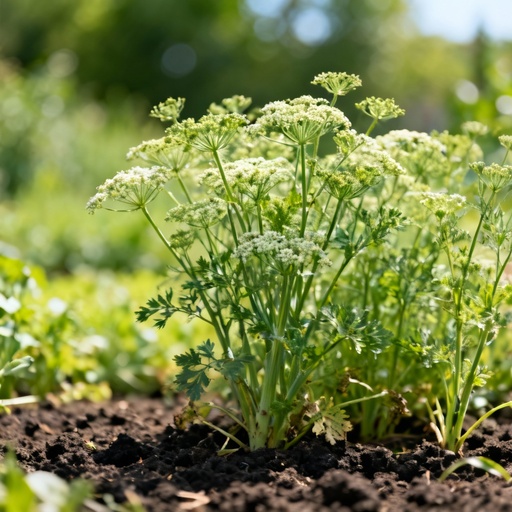
Italian Giant Parsley
Petroselinum crispum
An endless supply of huge, flavorful leaves.- Exceptionally rich in vitamins C, K, A and iron
- Supports kidney function and promotes healthy fluid balance naturally
- Apigenin provides potent anti-inflammatory and cancer-preventive properties

certifiées bio

Pays-Bas


Profil de la plante

Calendrier de culture

Conseils de culture
Conditions and Preparation for Planting
The ideal time for planting Italian Giant Parsley is in the spring, once all risk of frost has passed and the soil has warmed to a consistent temperature of at least 12°C. Your success begins with proper soil preparation. Start by thoroughly weeding the designated area in your vegetable garden. Loosen the soil to a depth of 20-30 cm to encourage deep root growth, and incorporate a generous amount of well-rotted compost or enriched garden soil to improve fertility and structure. Before transplanting, it is essential to harden off your seedlings. Gradually acclimate them to outdoor conditions over 7 to 10 days to prevent transplant shock. An hour before planting, water the young plants well in their containers; this hydrates the root ball and makes it easier to handle without damage.
Planting Technique for Vigorous Growth
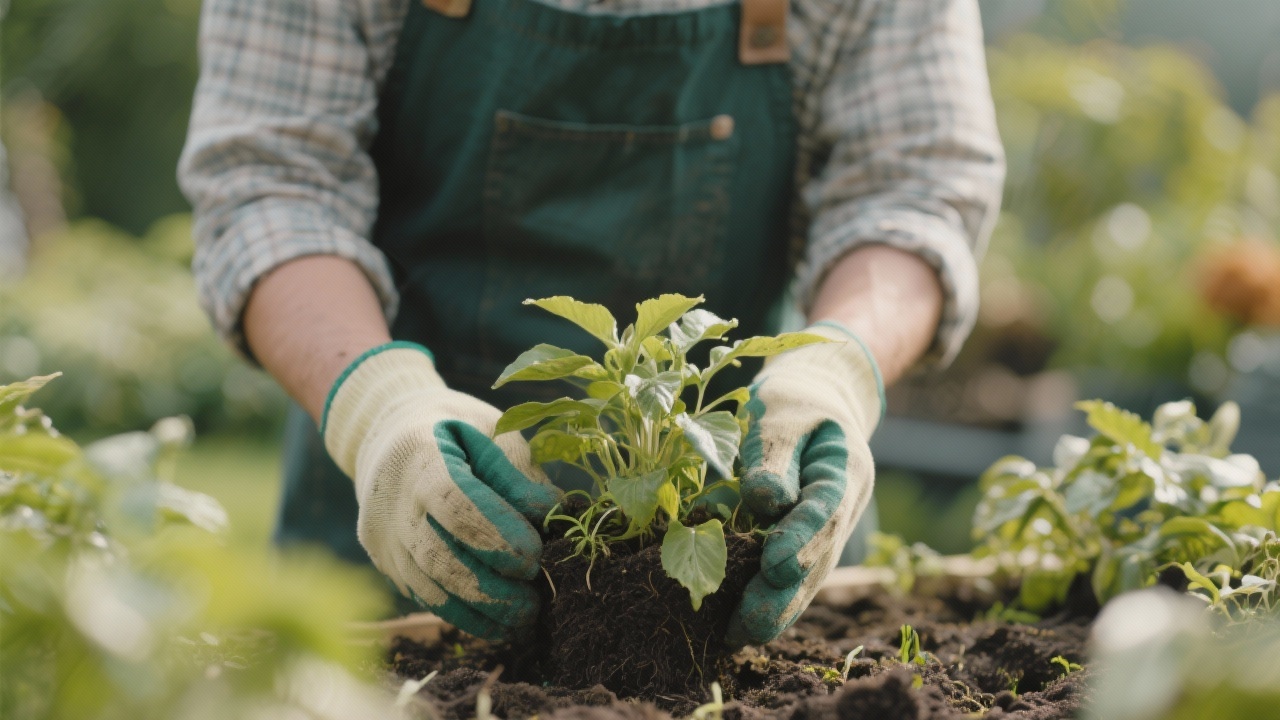
To plant your seedling, dig a hole slightly wider and deeper than its root ball. Position the plant so that its collar, the point where the main stem emerges from the roots, is perfectly level with the surrounding soil surface. Backfill the hole, gently firming the soil around the base to eliminate any air pockets and ensure good root-to-soil contact. A deep watering immediately after planting is crucial for a successful establishment. Adhere to a final spacing of 20-25 cm between plants and 30-40 cm between rows to allow for robust development and good air circulation. To complete the planting, apply a 2-3 cm layer of organic mulch, such as straw or fine wood chips, to conserve moisture and suppress early weed competition.
À retenir
- Temperature : Optimal 15-20°C
- Humidity : Moderate humidity
- Light : Full sun to partial shade
- Transplanting : 2-4 true leaves
Conditions and Preparation for Planting Italian Giant Parsley
For optimal successful regrowth in your vegetable gardening endeavors, the ideal time to plant Italian Giant Parsley seedlings is in spring after the last threat of frost has passed, or in late summer for a fall harvest in milder climates. Ensure both air and soil temperatures consistently range between 10-20°C. Begin by preparing a well-drained garden bed; thoroughly weed the area and loosen the soil to a depth of at least 20 cm. Incorporate a generous amount of well-rotted, mature organic compost to enrich the soil structure and provide essential nutrients for a strong start. Prior to transplanting, gradually acclimatize your young parsley plants for 7-10 days by exposing them to outdoor conditions for increasing durations; this hardening-off process minimizes transplant shock. Due to parsley's delicate taproot, avoid any root pruning; however, if the plant's substrate appears dry, a gentle pre-planting soak in water can be beneficial to ensure the root ball is moist.
Planting and Installing Italian Giant Parsley Seedlings
When installing your parsley seedlings, carefully remove each plant from its nursery pot, striving to keep the root ball intact to prevent disturbance. Plant them at the same depth they were growing in their containers, ensuring the plant's collar (the point where the stem meets the roots) is level with the surrounding soil. Gently firm the soil around the base of each plant to eliminate air pockets, then create a small basin around the seedling and water thoroughly. This initial watering is crucial for settling the soil and encouraging immediate root-to-soil contact, paving the way for successful regrowth. For optimal plant development and air circulation, maintain a final spacing of 15-20 cm between plants and 30-45 cm between rows. Immediately after planting, apply a 2-5 cm layer of light, organic mulch, such as straw or finely shredded leaves. This vital step helps conserve soil moisture and significantly suppresses weed competition, supporting vigorous growth in your organic farming practice.
À retenir
- Depth: Collar level with surrounding soil.
- Espacement: 20-25 cm between plants, 30-40 cm rows.
- Watering: Thorough watering immediately; keep soil consistently moist.
- Mulching/ Protection: Light organic mulch; temporary shade if hot.
Managing Plant Growth and Vigor
Effective plant maintenance for Italian Giant Parsley hinges on consistent environmental management. Proper watering is paramount; maintain consistently moist, but never waterlogged, soil to prevent water stress, typically requiring deep irrigation two to three times per week depending on ambient temperatures and soil type. For sustainable fertilization, apply balanced organic inputs like compost tea or a slow-release granular organic blend every 4-6 weeks during active growth, ensuring nutrient availability without over-fertilization. Regular hoeing around the plants not only controls weeds but also improves soil aeration. Crucially, maintaining a generous layer of mulching with organic materials such as straw or shredded leaves helps conserve soil moisture, suppress weed growth, and stabilize soil temperature, reducing the need for frequent vegetable garden maintenance. Periodically remove older, yellowing, or damaged leaves from the base to redirect the plant's energy towards producing fresh, vigorous foliage, enhancing overall plant health and appearance.
Health Protection and Environmental Balance
Vigilant health monitoring is key to proactive protection. Regularly inspect foliage for early warning signs of common plant diseases or the presence of garden pests, such as aphids or leaf spot. Employ an integrated and ecological protection strategy, prioritizing prevention through good cultural practices and fostering beneficial insects. Intervention thresholds should be observed, with gentle solutions like organic insecticidal soaps or neem oil considered before more intensive measures. Managing climatic conditions is vital; parsley prefers cooler temperatures and benefits from afternoon shade in hotter regions to prevent bolting. Ensure good air circulation to mitigate humidity, which can encourage fungal issues. Strategic crop rotation is indispensable for long-term soil health and minimizing pest and disease cycles in your ecological gardening efforts, preventing the build-up of specific pathogens associated with parsley.
À retenir
- Type of soil : Rich, moist, well-drained loam, pH 5.5-7.0, compost-enriched
- Care : Harvest outer stems at base regularly, feed with seaweed extract 2-3x/season
- Watering : Consistent moisture 1-2x/week, never allow to dry out completely
- Prevention : Good airflow, crop rotation, remove yellowed leaves, companion with tomatoes
Determining the Optimal Harvest Time
The harvest of Italian Giant Parsley in your vegetable garden begins once the plant reaches sufficient maturity, typically 70 to 90 days after its establishment. The ideal stage is identified when stems are vigorous and bear at least three well-developed leaf segments, showcasing a deep, uniform green color. To ensure the highest quality of these fresh fruit and vegetables, it is best to proceed in the early morning when the plant's turgor and aromatic concentration are at their peak. Favorable weather conditions, specifically a dry period, are crucial to minimize surface humidity on the foliage. Adhering to these good agricultural practices allows for regular and successive harvests, as the plant will continue to produce new growth, providing a consistent supply without depleting its resources.
Harvesting Techniques and Post-Harvest Preservation
The harvesting method itself is critical for promoting plant health and ensuring quality, reflecting key principles of organic farming. Use clean, sharp cutting tools, such as pruning shears or a knife, to cleanly sever the outer, most developed stems at their base. This practice encourages new growth from the plant's crown. Handle the cuttings with care to prevent bruising and subsequent oxidation, which degrades both flavor and appearance. For optimal preservation, a form of pre-cooling by rinsing in cold water helps remove field heat. The ideal storage conditions are a low temperature of 0-2°C (32-35°F) and high relative humidity, with a hygrometry of about 95%. Storing stems upright in a glass of water or wrapped in a damp cloth inside a refrigerated container will maintain the quality of your fresh harvest for several days.
À retenir
- Period : 70-90 days after establishment.
- Stage : Vigorous stems, 3+ deep green leaf segments.
- Method : Cut outer stems at base with sharp tool.
- Storage : 0-2°C, 95% RH, in water, several days.
Culinary Versatility and Flavor Profile of Italian Giant Parsley
Italian Giant Parsley, a beloved choice among garden vegetables, offers an indispensable fresh flavor to countless dishes. Its intensely green, flat leaves and tender stems are both entirely edible, delivering a vibrant, clean, and slightly peppery taste with a hint of herbaceous bitterness that invigorates the palate. This versatile herb excels in home cooking, particularly when used raw or added at the culmination of cooking. Its crisp texture and bright notes shine in culinary preparation such as finely chopped as a garnish, tossed into fresh salads, or blended into robust pestos and chimichurris. It forms exceptional flavor combinations with garlic, lemon, olive oil, tomatoes, and robust proteins like grilled fish or roasted chicken. For optimal enjoyment, incorporate it into diverse vegetable recipes by sprinkling generously over pasta, soups, or stews just before serving, or gently sautéing it for mere moments to retain its aromatic essence.
Enhancing Dishes: Nutrition and Storage Insights
To elevate the inherent appeal of Italian Giant Parsley, consider simple seasoning tips: a drizzle of high-quality extra virgin olive oil, a squeeze of fresh lemon juice, or a dash of red wine vinegar can awaken its vibrant character. Salt and freshly ground pepper are essential companions, while pairing with other herbs like mint or oregano further deepens its profile. Beyond its remarkable taste, this herb contributes significant nutritional value, being rich in Vitamin K for bone health, Vitamin C for immunity, and a good source of iron and antioxidants. There are no significant precautions for consumption; it is safe and beneficial to enjoy raw or cooked. For short-term storage, wrap freshly cut parsley in a damp paper towel and refrigerate, or place stems in a glass of water, covered loosely, for up to a week. For long-term preservation, finely chop the leaves, place them in ice cube trays with a little water or olive oil, and freezing them offers a convenient way to retain their garden-freshness for future home cooking applications.
À retenir
- Flavor Profile : Fresh, clean, peppery with robust herbaceous flavor, bold aroma
- Classic Uses : Tabbouleh, gremolata, chimichurri, sauces, stuffing, salads
- Pairings : Garlic, lemon, olive oil, capers, butter, fish, lamb, grains
- Storage : Refrigerate stems in water 2 weeks, freeze chopped, dry as last resort

Plants compagnons