Cilantro / Coriander
Coriandrum sativum
A dual-purpose herb offering fresh cilantro leaves and aromatic coriander seeds.- Rich in vitamin C and K, provides antioxidants and essential micronutrients
- Supports digestive health and may help reduce inflammation and blood sugar levels
- Natural chelation properties may support heavy metal detoxification processes in the body

certifiées bio

Pays-Bas

Profil de la plante

Calendrier de culture
Conseils de culture
Conditions and Preparation for Sowing
Cilantro seeds perform best when sown directly into their final growing position, as the plant develops a delicate taproot that resents disturbance from transplanting. Sow in early spring after the last frost date, or in early autumn for milder climates, when soil temperatures reach between 10 and 25°C with optimal germination occurring around 15 to 20°C. Choose a site in full sun with light afternoon shade in hot climates to delay bolting. Prepare the seedbed by loosening soil to 15 to 20 cm deep and incorporating well-rotted compost to create a light, well-drained growing medium. For improved germination rates, gently crush the round seed husks to separate the two seeds contained within, then soak them in water for 24 to 48 hours before sowing. Successive sowings every 2 to 3 weeks from spring through early summer, then again in early autumn, ensure a continuous supply of fresh leaves.Sowing Technique and Early Care
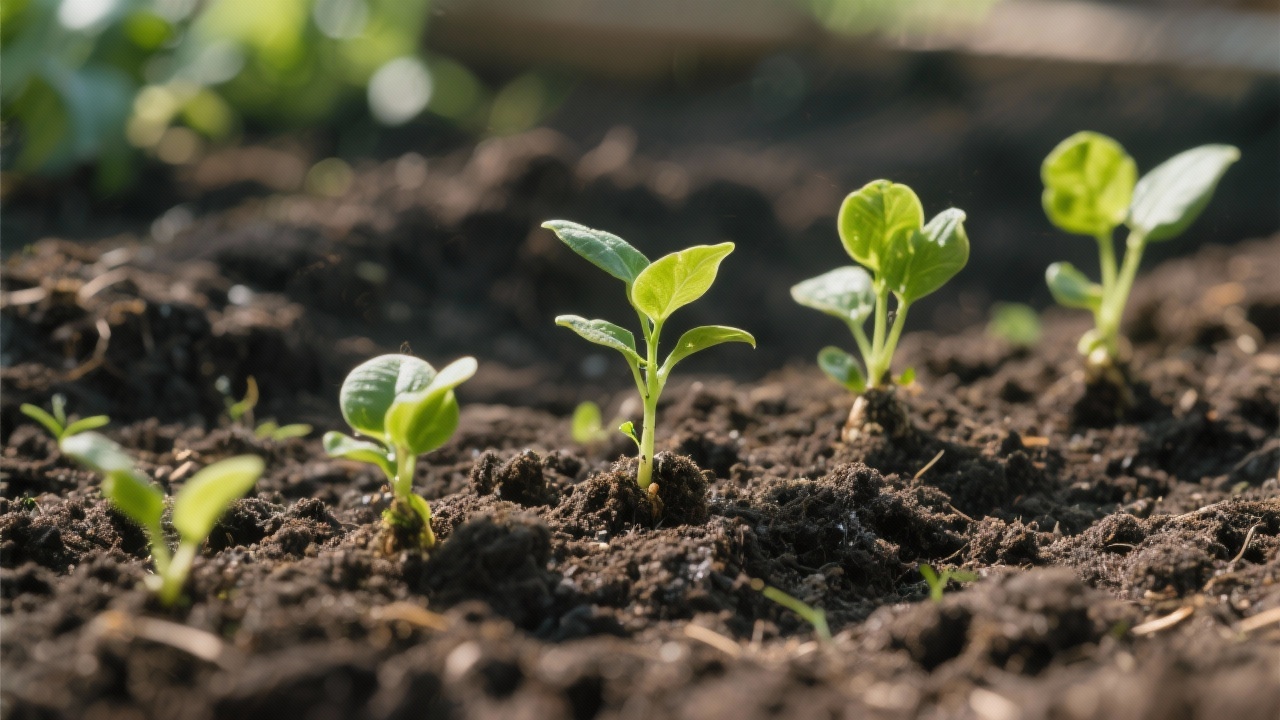
Sow cilantro seeds approximately 0.5 to 1 cm deep in rows spaced 15 to 20 cm apart, or scatter seeds in a broad band across a prepared bed. For leaf harvest, sow thickly without thinning; for coriander seed production, thin seedlings to 5 to 10 cm apart once established. Cover seeds lightly with fine soil and firm gently, then water with a fine rose to avoid displacing the small seeds. Germination typically occurs within 7 to 21 days depending on temperature and soil conditions. Keep the seedbed consistently moist but not waterlogged throughout the germination period. Once seedlings emerge, maintain even moisture levels and begin light feeding with diluted liquid seaweed extract every 2 to 3 weeks to encourage vigorous leafy growth.À retenir
- Temperature : 10-25°C, optimal germination at 15-20°C
- Humidity : Keep soil consistently moist, avoid waterlogging
- Light : Full sun, partial afternoon shade in hot climates, 6+ hours daily
- Transplanting : Avoid if possible; direct sow preferred due to sensitive taproot
Conditions and Preparation for Planting Cilantro/Coriander
The optimal planting period for cilantro extends from early spring through early summer, then again in early autumn, when air temperatures remain between 10 and 25°C and the risk of late frost has passed. Cilantro bolts rapidly in temperatures above 25°C, so timing and site selection are critical for maximizing leaf production. Prepare your garden bed by removing all weeds and loosening the soil to a depth of 15 to 20 cm, incorporating 2 to 3 cm of mature compost or enriched organic matter to establish a light, fertile, well-draining growing medium. Select a site receiving full sun with some afternoon shade protection in warmer regions. If starting transplants indoors, use biodegradable pots that can be planted directly into the ground to minimize root disturbance to the delicate taproot. Harden off indoor-raised seedlings over 7 to 10 days before transplanting, and water thoroughly the evening before planting.
Planting and Installing the Seedling
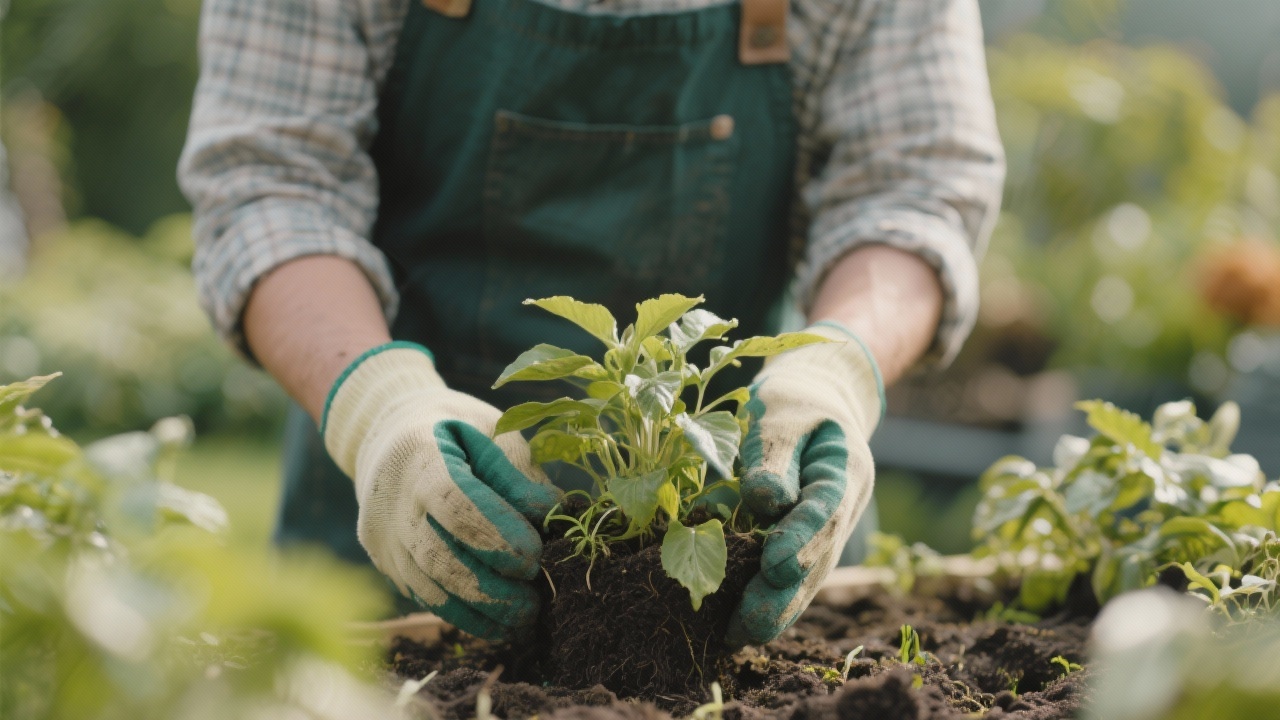
Plant cilantro seedlings at the same depth as their original container, taking extreme care not to disturb the taproot during the transplanting process. Space plants 15 to 20 cm apart in rows set 20 to 30 cm apart to allow adequate air circulation and prevent fungal diseases in the dense, feathery foliage. After positioning each plant, firm the soil gently around the root zone and water immediately to eliminate air pockets and ensure good root-to-soil contact. Apply a 3 to 4 cm layer of organic mulch—straw, shredded leaves, or grass clippings—around each plant to conserve soil moisture, moderate soil temperature, and suppress weed germination. Mulching is particularly important for cilantro as it helps keep the root zone cool, delaying the onset of bolting during warm weather periods. In regions with intense summer heat, consider installing temporary shade cloth to extend the productive leaf-harvesting period.
À retenir
- Depth : 0.5-1 cm, direct sow preferred, biodegradable pots for transplants.
- Spacing : 15-20 cm between plants, rows 20-30 cm apart.
- Watering : Water thoroughly after planting, keep soil consistently moist.
- Mulching / Protection : 3-4 cm organic mulch, shade cloth in hot climates.
Managing Plant Growth and Vigor
Cilantro requires consistent moisture management, with regular watering to maintain soil humidity without waterlogging—typically 20 to 25 mm per week depending on temperature and rainfall. Drip irrigation or soaker hoses are preferable to overhead watering, reducing foliar wetness and minimizing disease pressure on the delicate leaves. For organic fertilization, apply a light side-dressing of balanced compost or well-decomposed manure before the active growth phase begins, supplemented with diluted liquid seaweed extract or compost tea every 2 to 3 weeks to support steady leaf development. Regular pinching of the growing tips when plants reach 10 to 15 cm tall encourages bushier, more productive growth and delays the onset of bolting. Maintain a 3 to 5 cm layer of organic mulch to conserve moisture, moderate soil temperature, and suppress weed competition. Succession sowing every 2 to 3 weeks is the most effective strategy for maintaining a continuous supply of fresh leaves.
Health Protection and Environmental Balance
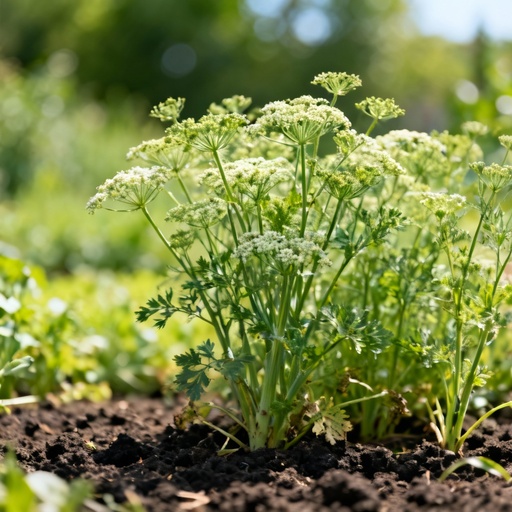
Monitor plants regularly for common pests including aphids, leafhoppers, and whitefly—use yellow sticky traps for early detection and intervene with insecticidal soap or neem oil only when pest populations exceed manageable thresholds. Cilantro is generally resistant to most diseases but can develop leaf spot or powdery mildew in humid, poorly ventilated conditions; maintain adequate spacing and avoid evening overhead irrigation. Bacterial leaf spot may appear as water-soaked lesions during prolonged wet periods—remove affected foliage promptly and improve air circulation. Practice crop rotation, avoiding planting cilantro or related Apiaceae family members in the same location for at least two years. Companion planting with anise enhances seed formation, while the cilantro flowers themselves attract beneficial predatory insects including hoverflies and parasitic wasps that provide natural biological pest control.
À retenir
- Type of soil : Light, fertile loam, pH 6.2-6.8, well-drained, compost-enriched
- Care : Pinch growing tips for bushier growth, succession sow every 2-3 weeks
- Watering : Consistent moisture 20-25 mm weekly, drip irrigation preferred
- Prevention : Avoid hot positions (bolts quickly), light shade in summer, good airflow
Harvest Time and Optimal Conditions
Cilantro leaves are ready for first harvest approximately 3 to 4 weeks after germination, once stems reach 15 to 20 cm in height and plants have developed several sets of true leaves. The optimal harvest window for leaf production extends from 45 to 70 days after sowing, before the plant begins to bolt and send up its characteristic tall flowering stalk. For the freshest flavour, harvest during the cool early morning hours between 6 and 9 a.m. when essential oil concentration in the leaves is at its peak. When the plant inevitably bolts, allow it to flower and set seed—the green immature seeds have a fresh, spicy flavour and can be harvested while still green, or left to mature to brown for dried coriander spice production approximately 90 to 105 days after sowing. A well-managed successional planting program can provide continuous fresh cilantro leaves from spring through autumn.
Harvesting Methods, Handling, and Storage Protocol
Harvest cilantro leaves by cutting individual stems with clean, sharp scissors approximately 3 to 5 cm above the crown, taking no more than one-third of the plant's foliage at any single harvest to ensure continued productive regrowth. For the smaller leaves on younger plants, cut stems approximately 4 to 5 cm above soil level. Alternatively, harvest the entire plant by cutting at the base if replacement plants are established from succession sowings. For coriander seed harvest, cut the entire seed-bearing stalk when approximately half the seeds have turned from green to light brown, place in a paper bag, and hang in a cool, dry, well-ventilated area until fully dried. Store fresh cilantro leaves with stems in a jar of water in the refrigerator, covered loosely with a plastic bag, for up to 2 weeks. For longer preservation, chop leaves and freeze in ice cube trays with water or olive oil, or dry in a warm, dark, well-ventilated space.
À retenir
- Period : 45-70 days for leaves, 90-105 days for coriander seeds
- Stage : Stems 15-20 cm tall, multiple true leaf sets, before bolting
- Method : Cut stems 3-5 cm above crown, max one-third per harvest
- Storage : Stems in water refrigerated 2 weeks, freeze chopped in ice cube trays
Fresh Flavour and Culinary Versatility
Cilantro delivers a distinctive bright, citrusy flavour with subtle peppery undertones that forms the aromatic backbone of Mexican, Thai, Indian, Vietnamese, and Caribbean cuisines. The fresh leaves are best used raw or added at the very end of cooking to preserve their delicate essential oils and vibrant flavour—heat rapidly diminishes their characteristic taste. In the kitchen, cilantro shines in fresh salsas, guacamole, chutneys, and Thai curry pastes, while the stems carry concentrated flavour perfect for pounding into marinades and spice pastes. The dried coriander seeds offer an entirely different warm, nutty, slightly citrusy flavour profile that forms a key component of garam masala, curry powders, and pickling spice blends. Fresh green coriander seeds, harvested before full maturity, provide a unique spicy zing that bridges the flavour gap between the fresh herb and dried spice.
Seasoning, Nutrition, and Optimal Storage
Cilantro pairs magnificently with lime juice, fresh chilli, garlic, ginger, cumin, and coconut milk in Asian and Latin American preparations, while coriander seeds complement cinnamon, cardamom, fennel, and black pepper in spice blends. Nutritionally, cilantro provides vitamin C, vitamin K, vitamin A, and beneficial antioxidant compounds, with traditional use as a digestive aid and natural chelation agent. The fresh leaves are best consumed within days of harvest and stored refrigerated with stems in water. Dried coriander seeds should be stored whole in airtight containers in a cool, dark location, then toasted and freshly ground immediately before use to release their maximum aromatic potential. Frozen cilantro retains good flavour for cooked applications for up to six months.
À retenir
- Flavor Profile : Bright citrusy, peppery fresh leaves; warm nutty dried seeds
- Classic Uses : Salsas, guacamole, curries, chutneys, stir-fries, spice blends
- Pairings : Lime, chilli, garlic, ginger, cumin, coconut milk, cinnamon
- Storage : Fresh stems in water 2 weeks, freeze chopped, dry seeds in airtight jar
Plants compagnons