Basilic Genovese
Ocimum basilicum
Un arôme incomparable pour sublimer vos pestos et salades.- Excellente source de vitamine K, magnésium et antioxydants comme les polyphénols
- Favorise la digestion, réduit les ballonnements et améliore le confort intestinal
- Propriétés anti-inflammatoires et antibactériennes naturelles, protège contre le stress oxydatif

certifiées bio

Pays-Bas

Profil de la plante

Calendrier de culture
Conseils de culture
Préparation et conditions optimales pour semer le basilic
Le basilic est une plante méditerranéenne qui apprécie particulièrement les semis sous abri au printemps, entre mars et mai selon votre région. Pour réussir vos semis de basilic, préparez un substrat léger et bien drainé, composé de terreau horticole mélangé à un peu de perlite, qui garantit une aération optimale des graines. La température du sol doit se situer entre 18 et 25 °C pour assurer une germination rapide et homogène. Semez vos graines très finement, à peine recouvertes de substrat, car elles ont besoin de lumière pour lever : une simple couche de 2 à 3 millimètres suffit. Humidifiez régulièrement par pulvérisation fine ou arrosage très doux, en maintenant le substrat humide sans le détremper. Placez vos contenants de semis dans un endroit chaud et lumineux, près d'une fenêtre ensoleillée ou sous abri de jardin potager.
Germination et suivi des jeunes plants de basilic
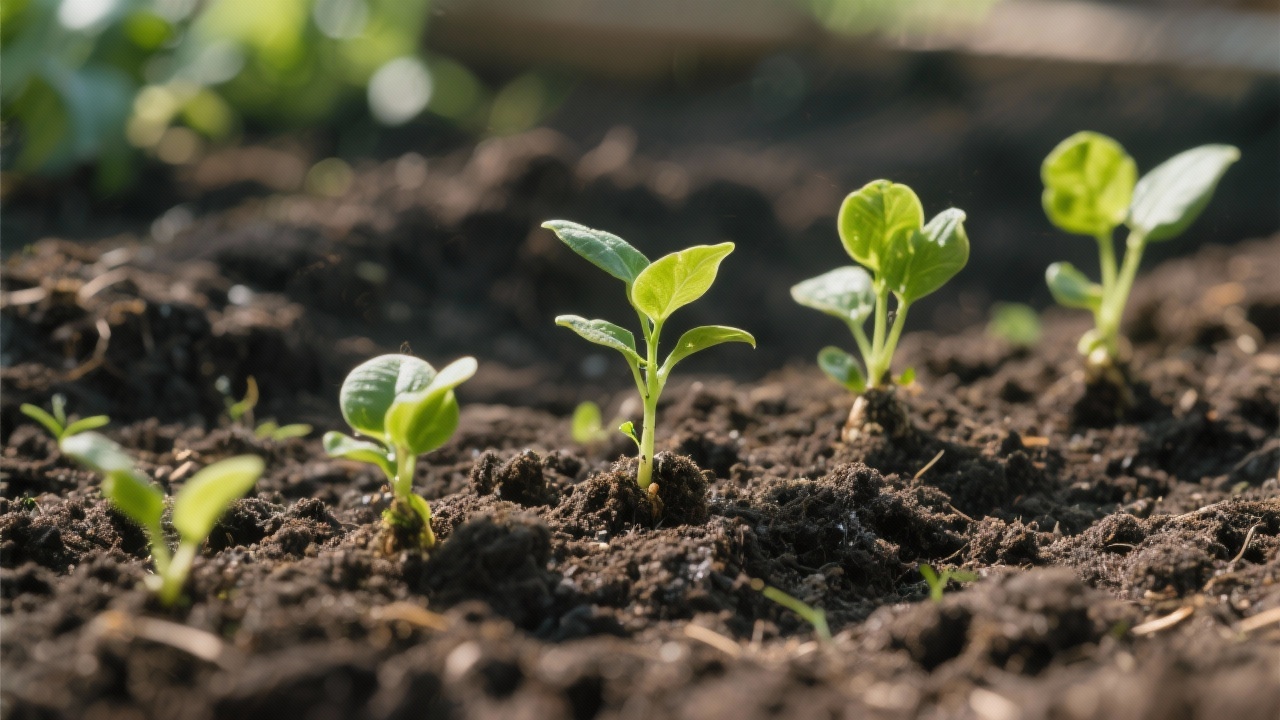
Comptez 7 à 10 jours pour voir les premières levées de graines, à condition que l'humidité reste constante et la température stable. Aucun prétraitement n'est nécessaire pour le basilic : ses graines germent naturellement sans stratification. Une fois que les plantules ont développé leurs deux premières vraies feuilles (environ 3 semaines après la levée), l'éclaircissage ou le repiquage en godets individuels devient indispensable pour éviter l'étiolement. Espacez les jeunes plants de 5 à 8 centimètres au minimum, ou transplantez-les dans des petits pots remplis de substrat de qualité. Maintenez toujours une humidité modérée et une bonne luminosité. Cette phase cruciale prépare vos plants à devenir robustes et vigoureux, prêts pour la suite de la culture bio de votre jardin potager.
Points clés
- Température : 22°C optimal, tolère 20-25°C
- Humidité : Humidité constante, pulvérisation quotidienne légère
- Lumière : 12-14 heures lumière indirecte claire par jour
- Repiquage : 15-20 jours après levée, première feuille vraie
Conditions et préparation à la plantation du basilic Genovese
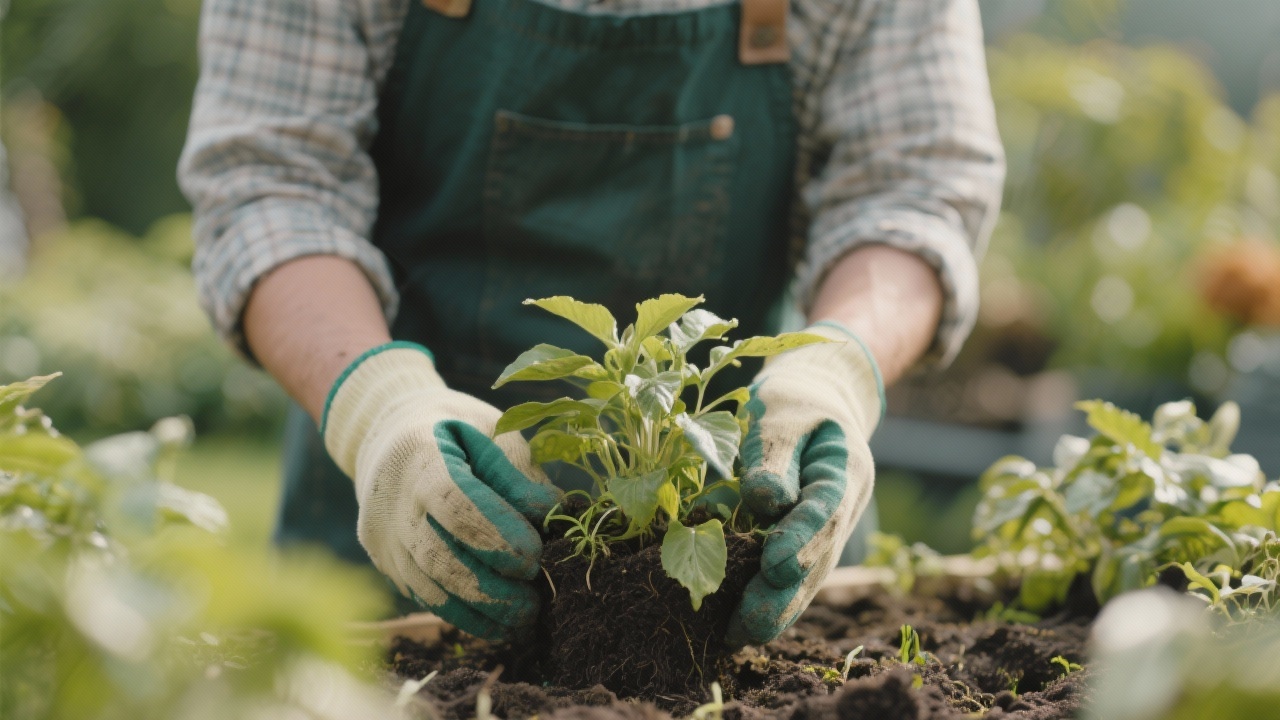
La plantation du basilic Genovese s'effectue après les dernières gelées, lorsque la température de l'air atteint régulièrement 18 à 20 °C minimum et que le sol s'est réchauffé à au moins 15 °C. Cette fenêtre s'ouvre généralement entre mai et juin selon votre région. Préparez votre sol de jardin potager en effectuant un désherbage soigneux et un ameublissement en profondeur sur une dizaine de centimètres, puis enrichissez-le d'un compost mûr ou d'un terreau horticole biologique à raison de deux à trois litres par mètre carré. Une semaine avant la mise en terre, acclimatez progressivement vos jeunes plants en les exposant quelques heures par jour à la lumière extérieure, à l'abri du vent : cette endurcissement garantit une meilleure reprise. Quelques heures avant la plantation, immergez les mottes dans de l'eau tiède ou procédez à un léger pralinage des racines en les enrobant d'un mélange terre-eau, afin de favoriser le contact racinaire et l'absorption hydrique immédiate.
Mise en terre et installation du plant de basilic Genovese
Plantez chaque motte à une profondeur telle que le collet (jonction tige-racine) soit au niveau du sol, sans l'enfoncer davantage pour éviter l'asphyxie racinaire. Creusez un trou légèrement plus large que la motte, insérez le plant, puis tassez délicatement le sol autour en éliminant les poches d'air. Réalisez immédiatement un arrosage copieux en cuvette pour asseoir le plant et humecter le substrat. Respectez un espacement de 25 à 30 cm entre les plants et de 40 cm entre les rangs pour assurer une bonne aération du feuillage et prévenir les maladies fongiques. Appliquez sans tarder un paillage organique (paille, feuilles mortes ou compost affiné) sur 3 à 4 cm autour de chaque plant, en maintenant une distance de quelques centimètres du collet. En climat très ensoleillé ou en début de saison fraîche, un voile de forçage peut être maintenu 7 à 10 jours pour renforcer la reprise et protéger des variations thermiques.
Points clés
- Profondeur : Placer le collet au niveau du sol, ne pas enterrer
- Espacement : 25–30 cm entre plants, 40 cm entre rangs
- Arrosage : Arrosage généreux en cuvette, maintenir sol humide mais non détrempé
- Paillage / Protection : Paillage organique 3–4 cm (paille, lin, compost)
Gestion de la croissance et de la vigueur du plant
L'entretien du basilic genovese repose sur un équilibre hydrique régulier et maîtrisé. Arrosez deux à trois fois par semaine selon les conditions climatiques, en privilégiant un apport au pied pour éviter l'humidité foliaire ; le substrat doit rester frais sans jamais devenir détrempé, car l'excès d'eau favorise l'asphyxie racinaire. Un paillage organique léger (paille, compost affiné) conserve l'humidité et régule la température du sol. Sur le plan nutritif, un apport régulier de compost bien décomposé ou d'engrais organique dilué (tous les 15 à 20 jours) soutient la croissance feuillière sans l'excéder. Le binage superficiel tous les deux à trois semaines aère le sol et facilite l'absorption racinaire, tout en contrôlant les adventices. L'pincement régulier des apex (jeunes tiges terminales) dès que le plant atteint 15 à 20 cm favorise un port touffu et ramifié, multipliant ainsi les points de récolte. Maintenir un espacement adéquat entre les plants assure une circulation d'air suffisante et réduit les risques de pourriture.
Protection sanitaire et équilibre du milieu
La surveillance sanitaire régulière est essentielle : guettez les taches foliaires, les déformations ou la présence de petits insectes (pucerons, tétranyques). Le basilic redoute l'humidité excessive et les températures en dessous de 10 °C ; un positionnement ensoleillé (6 à 8 heures minimum) et une bonne ventilation naturelle préviennent efficacement les maladies fongiques. En culture biologique, privilégiez la prévention : éliminez rapidement les feuilles malades, évitez d'arroser le feuillage et aérez régulièrement l'espace entre les plants. Face aux ravageurs du potager, un premier seuil d'intervention peut être un simple rinçage à l'eau ou le recours à des solutions douces (savon noir, macérations de plantes). La rotation des cultures annuelle et l'association judicieuse avec d'autres aromates ou légumes limitent l'épuisement tellurique et réduisent l'accumulation de pathogènes dans votre jardin écologique.
Points clés
- Type de sol : Terreau léger et drainant, pH neutre 6.5-7.5, riche en matière organique
- Entretien : Binage doux tous les 10 jours, éliminer fleurs, compost organique mensuel
- Arrosage : Après reprise du plant, 2-3×/semaine, sol frais mais non détrempé
- Action préventive : Paillage 5-8 cm, pulvérisation savon noir, rotation annuelle cultures
Moment et conditions de récolte du basilic genovese
La récolte du basilic genovese débute environ 6 à 8 semaines après la plantation, dès que la plante atteint une maturité suffisante caractérisée par l'apparition de 6 à 8 feuilles vraies et un port compact et vigoureux. Les indicateurs visuels de maturité incluent des feuilles charnues, d'un vert intense, sans signe de stress hydrique. Pour préserver la qualité optimale des fruits et légumes frais de votre jardin potager, il est recommandé de récolter en fin de matinée, après la disparition de la rosée, lorsque l'humidité foliaire diminue et que la température atteint 18 à 20 °C. Une cueillette régulière tous les 7 à 10 jours, en supprimant les sommités florales avant leur épanouissement complet, favorise la ramification et prolonge le cycle productif. Cette fréquence de récolte permet d'obtenir un rendement moyen de 1 à 1,5 kg de feuilles fraiches par plant en culture biologique, tout en maintenant une excellente vitalité de la plante.
Méthodes de cueillette et conservation après récolte
La cueillette du basilic genovese s'effectue manuellement ou à l'aide d'un petit couteau affûté, en pinçant délicatement les feuilles ou les tiges pour éviter l'oxydation et les blessures tissulaires. Une manipulation douce et rapide est essentielle pour préserver l'intégrité cellulaire et la fraîcheur. Après récolte, procédez à un tri minutieux, éliminez les feuilles abîmées ou jaunes, et appliquez les bonnes pratiques d'hygiène en nettoyant légèrement avec un linge humide si nécessaire. Le pré-refroidissement n'est pas indispensable pour cette culture, mais un stockage rapide en chambre froide à 2 à 4 °C et 85 % d'hygrométrie relative prolonge la conservation jusqu'à 5 à 7 jours. Pour un transport court vers le marché ou la table, privilégiez des contenants aérés et maintenez une température ambiante basse afin de préserver la qualité sensorielle et nutritionnelle du produit frais.
Points clés
- Période : 6-8 semaines après plantation, de juin à septembre
- Stade : 4-6 feuilles vraies, feuilles vertes et charnues, avant floraison
- Méthode : Sécateur désinfecté, coupe nette des sommités à 45°
- Stockage : 10-12°C, 85-90% humidité, maximum 7-10 jours
Profil gustatif et préparation culinaire du basilic genovese
Le basilic genovese se distingue par ses feuilles tendres et parfumées, partie exclusivement consommée en cuisine maison. Son profil gustatif révèle une saveur fraîche et légèrement poivrée, avec des notes subtiles d'anis et de clou de girofle, offrant une texture souple et délicate. En cuisine, ce légume aromatique du potager s'apprécie avant tout cru, où ses qualités sensorielles s'expriment pleinement : en pesto, effiloché sur des pâtes, intégré aux salades fraîches ou parsemé sur des plats méditerranéens. Il supporte également une cuisson très courte — quelques secondes à peine au wok ou versé en fin de préparation — pour préserver son essence volatile. Le basilic genovese s'associe naturellement avec la tomate, l'ail, l'huile d'olive, le fromage frais et les protéines végétales, composant un socle aromatique incontournable de la cuisine méditerranéenne.
Assaisonnement, nutrition et conservation du basilic frais
Pour sublimer le basilic genovese, privilégiez une huile d'olive de qualité, le jus de citron frais ou un vinaigre blanc léger. Riche en vitamines C et K, minéraux et antioxydants, il contribue aux apports nutritionnels d'une cuisine saine et inspirée du potager. Les feuilles se consomment sans restriction particulière, bien que leur saveur intense recommande une utilisation mesurée. Pour la conservation courte, gardez le basilic au réfrigérateur, idéalement dans un verre d'eau couvert d'un film, durant 5 à 7 jours. La congélation en portions ou préalablement mixées en pesto offre une conservation longue durée de plusieurs mois. Le séchage ralentit considérablement le profil aromatique ; préférez donc la congélation ou la lactofermentation pour préserver intact le caractère frais de cette herbe de cuisine maison.
Points clés
- Profil gustatif : Doux, herbacé avec notes anisées et poivrées subtiles
- Préparations classiques : Pesto, salades, tomates mozzarella, légèrement sauté
- Accords gagnants : Huile d'olive, citron, ail, pignons, parmesan
- Conservation : Réfrigéré 2 semaines, congélation en glaçons d'huile