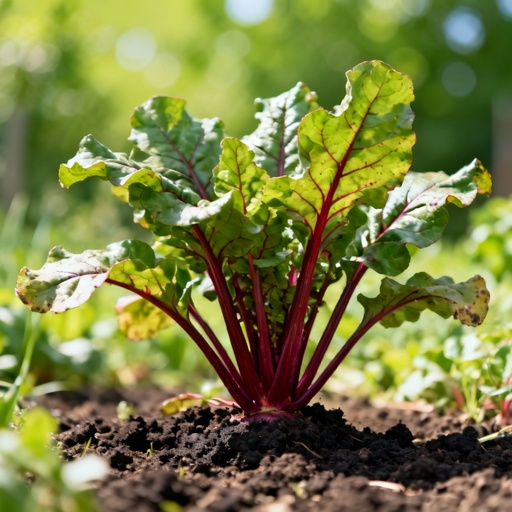
Beetroot Kogel
Beta vulgaris
Yields an abundance of exceptionally uniform globes.- Good source of fiber, folate, manganese and betalain antioxidants
- Supports digestive regularity and promotes healthy blood sugar balance
- Concentrated betalains offer exceptional cellular protection and detox benefits

certifiées bio


Profil de la plante

Calendrier de culture

Conseils de culture
Preparing Your Garden for a Successful Beetroot Planting
The ideal window for planting your Beetroot Kogel seedlings is in the spring, once all risk of hard frost has passed and the soil temperature consistently remains above 10°C. A successful establishment begins with proper soil preparation. Start by thoroughly weeding the designated area and loosening the earth to a fine, crumbly texture, which is essential for good root development. Incorporate a generous layer of mature compost or enriched garden soil to improve fertility and ensure excellent drainage. Before introducing your young plants to the garden, it is vital to acclimatize them by gradually exposing them to outdoor conditions over 7 to 10 days. This hardening-off process prevents transplant shock. Finally, water the seedlings well in their pots about an hour before planting to help the root ball stay intact during handling.
The Planting Process for Healthy Seedling Installation
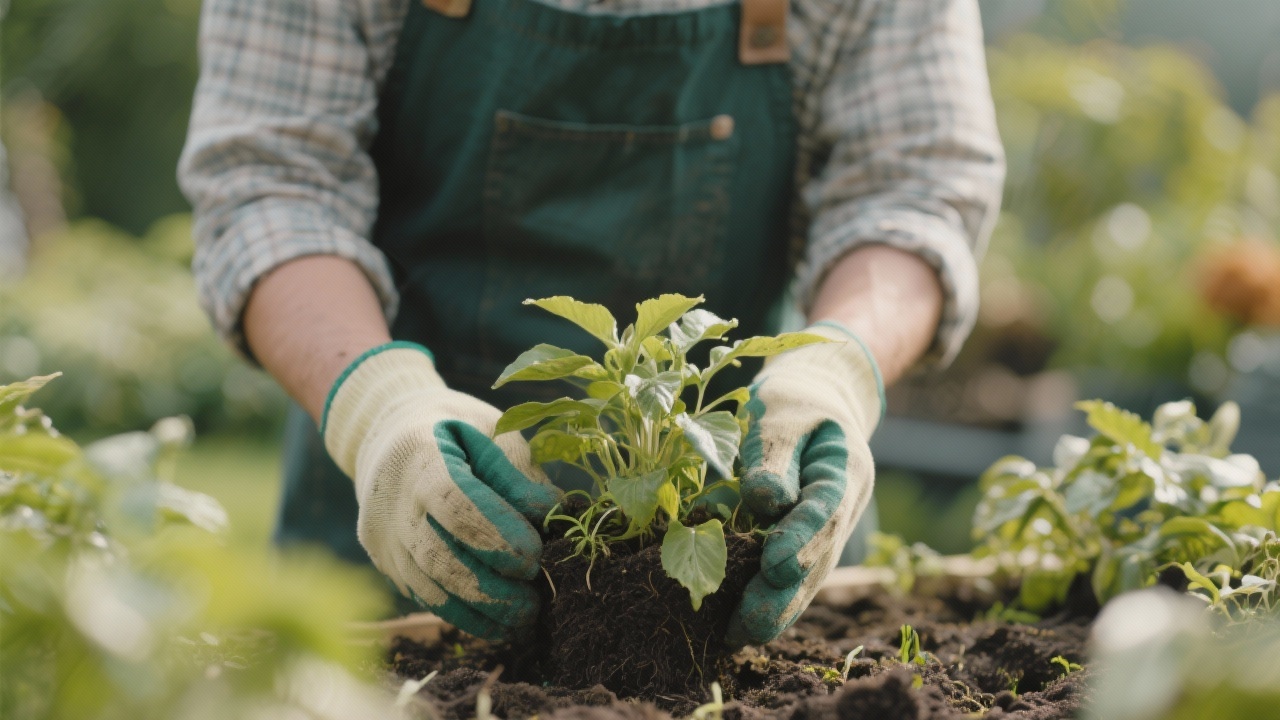
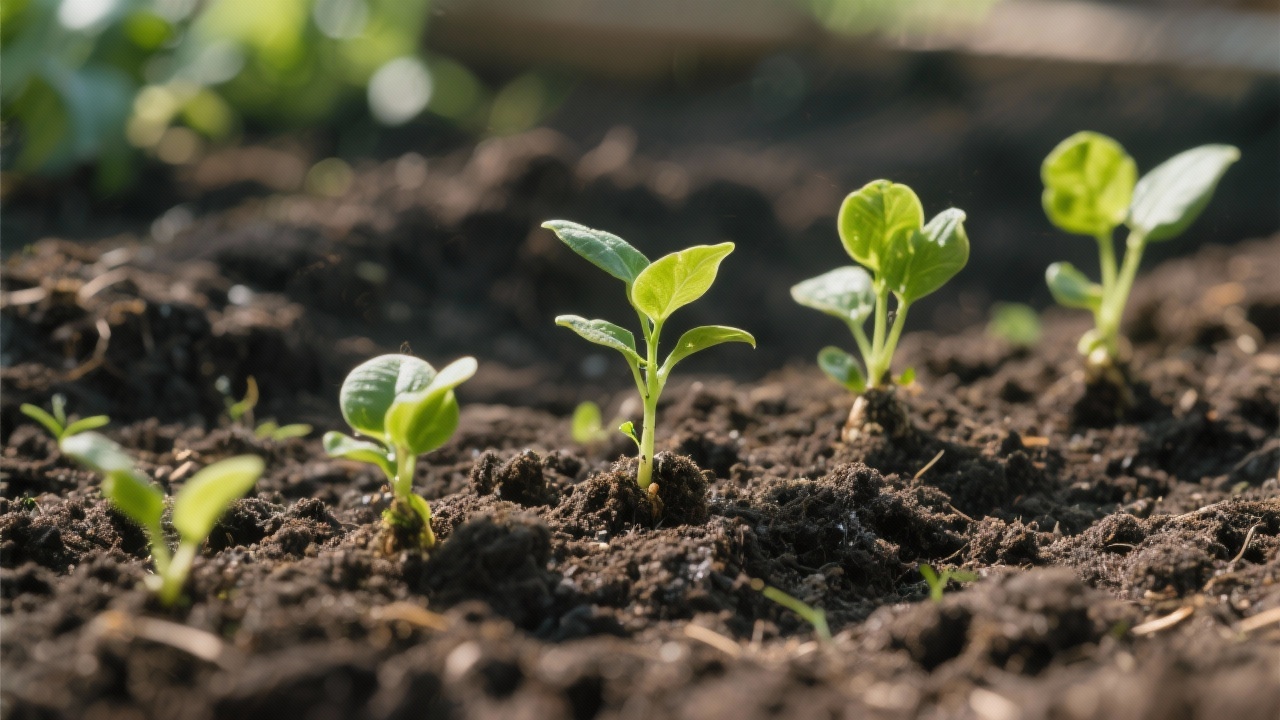
When you are ready to plant, handle each seedling gently to avoid disturbing the delicate taproot. Create a hole just large enough for the root ball and position the plant so that its collar, the point where the stem meets the roots, is level with the surrounding soil surface. Lightly firm the soil around the base of the plant to eliminate air pockets and provide immediate, thorough watering to settle the roots in their new home. Adhere to a final spacing of approximately 10 cm between each plant within the row and 30 cm between rows, giving each beetroot ample room to swell. To complete the installation, apply a layer of organic mulch, such as straw or fine compost. This practice is key in organic gardening to retain soil moisture and suppress weed competition, ensuring your plants get the best possible start.
À retenir
- Temperature : 15–20°C
- Humidity : Humidité modérée
- Light : Plein soleil
- Transplanting : 3–4 feuilles
Conditions and Preparation for Planting Beetroot Kogel
For **successful regrowth** of Beetroot Kogel in your **vegetable gardening** space, select the ideal **planting** period once all danger of **frost** has passed and soil temperatures consistently reach at least **7°C**. Air temperatures should ideally be between 10-20°C for optimal establishment. Begin by thoroughly weeding the chosen bed, then loosen the soil to a depth of 20-30 cm. Enrich the planting area generously with well-rotted **mature compost** or a high-quality enriched soil mix, supporting an **organic farming** approach. Before transplanting, gradually acclimatize young beetroot plants for 3-5 days by exposing them to outdoor conditions, preparing them for the transition. Ensure the root ball is adequately moist; light hydration before **planting** is preferred over *root pruning*.
Planting and Installing Beetroot Kogel Seedlings
When **planting** Beetroot Kogel seedlings, position each plant so its *collar* (where the stem meets the roots) is at the same level as it was in its container. Gently firm the soil around the base of each seedling to ensure good soil-to-root contact, eliminating air pockets. Immediately after **planting**, create a small basin around each plant and provide a thorough **watering** to settle the soil and encourage **successful regrowth**. For optimal development in your **organic farming** project, maintain a final **spacing** of 10-15 cm between individual plants and approximately 30 cm between rows. To conserve moisture and suppress weed competition, apply a layer of **mulch** immediately after **planting**. No staking is required for Beetroot Kogel; however, temporary shade may be beneficial during initial establishment in intense conditions.
À retenir
- Depth: Collar at same level as in container
- Espacement: 10-15 cm between plants
- Watering: Thoroughly water immediately; keep consistently moist
- Mulching/ Protection: Apply mulch layer; temporary shade if intense
Managing Plant Growth and Vigor
For 'Beetroot Kogel', consistent watering is vital; aim for deep, infrequent irrigation (20-30mm weekly) to prevent water stress and encourage robust root formation. Sustainable fertilization involves applying organic inputs like compost or balanced organic granular feeds, ideally split during establishment and initial root swelling, avoiding excessive nitrogen. Regular hoeing combats weeds and improves soil aeration. Maintaining effective mulching with organic materials conserves moisture, suppresses weeds, and regulates soil temperature, simplifying vegetable garden maintenance. Adequate spacing is essential for root development, eliminating the need for pruning or staking.
Health Protection and Environmental Balance
Effective plant maintenance includes vigilant health monitoring. Regularly inspect leaves and roots for early signs of plant diseases like powdery mildew or garden pests such as leaf miners or aphids. Prevention is key in ecological gardening. Encourage beneficial insects by promoting biodiversity. For pest issues, consider gentle solutions like neem oil or insecticidal soaps, intervening only when thresholds are met. Managing climatic conditions is also crucial; consistent moisture prevents bolting, while some afternoon shade in hot climates can mitigate heat stress. Strategically implementing crop rotation annually is fundamental for maintaining a balanced vegetable garden and preventing the build-up of soil-borne pathogens and pests. Integrating companion planting can further enhance plant resilience and contribute to organic farming principles.
À retenir
- Type of soil : Well-drained, fertile loam, pH 6.0-7.0, stone-free, compost-enriched
- Care : Regular hoeing, thin seedlings to 10 cm, light balanced feed during growth
- Watering : Consistent moderate moisture 1-2x/week, even watering prevents cracking
- Prevention : 5-8 cm organic mulch, crop rotation 3 years, remove diseased foliage
Determining the Ideal Harvest Period
The successful harvest of Beetroot Kogel depends on identifying its optimal maturity, typically reached 55 to 70 days after emergence in the vegetable garden. The primary indicator is the diameter of the root, which should ideally be between 5 and 8 centimetres at the soil line for the best balance of flavour and tenderness. Harvesting is best performed on a dry day, preferably in the morning when the plant's tissues are firm and cool. According to good agricultural practices, particularly in organic farming, check roots individually and proceed with a staggered harvest as they reach the desired size. This method ensures a consistent supply of high-quality fresh fruit and vegetables and prevents roots from becoming overly large and woody, yielding one well-formed beetroot per plant.
Methods, Handling, and Preservation
To begin the harvest, gently loosen the soil around the beetroot with a garden fork before pulling it from the ground by hand. This minimizes damage to the delicate root skin. Immediately after extraction, use clean cutting tools, such as a sharp knife, to remove the leaves, leaving about 2-3 centimetres of stem attached to the root. This crucial step prevents the root from "bleeding" sap, which is essential for its preservation and flavour. Avoid washing the beetroots until just before use; instead, gently brush off any excess soil. For optimal storage, a rapid pre-cooling phase is recommended to remove field heat. The roots keep best at a low temperature, ideally between 0 and 4°C, with a very high relative humidity or hygrometry of 95-98%, conditions often found in a refrigerator's vegetable drawer, where they can be kept for several weeks.
À retenir
- Period : 55-70 days after emergence
- Stage : Root diameter 5-8cm at soil line
- Method : Loosen soil, pull gently; leave 2-3cm stem
- Storage : Fridge: 0-4°C, 95-98% humidity, weeks
The Versatile Culinary Appeal of Beetroot Kogel
The Beetroot Kogel, a true jewel among garden vegetables, offers an exceptional fresh flavor experience for home cooking. Both its deep crimson root and vibrant beet greens are delightful edible parts. The root, known for its sweet, earthy flavor and subtle mineral notes, transitions from crunchy raw to wonderfully melt-in-the-mouth when cooked. Common methods of preparation include roasting in a moderate oven for 45-60 minutes to concentrate sugars, boiling or steaming until fork-tender (20-30 minutes), or thinly slicing raw for salads. Its sweetness creates ideal flavor combinations with tangy goat cheese, toasted walnuts, fresh dill, or a bright citrus vinaigrette. Explore its richness in vegetable recipes by contrasting with peppery arugula or pairing with robust spices like caraway, making for effortless culinary preparation.
Enhancing and Preserving Your Beetroot Kogel
To elevate your Beetroot Kogel dishes, simple seasoning tips are key: a drizzle of quality olive oil, a splash of balsamic or apple cider vinegar, and a squeeze of fresh lemon juice awaken its full potential. Fresh herbs like dill, mint, or chives are perfect partners, alongside sea salt and black pepper. This garden staple offers significant nutritional value, providing fiber, essential vitamins (C, folate), minerals (potassium), and powerful antioxidants. For storage, short-term preservation involves refrigerating unwashed roots for several weeks. For long-term preservation, cooked and diced beetroot freezes well, or consider lacto-fermentation for probiotic-rich fermented beets or beet kvass, extending its fresh flavor beyond the season.
À retenir
- Flavor Profile : Sweet, earthy, subtle mineral; crunchy raw, tender cooked.
- Classic Uses : Roasting, boiling, steaming root; raw in salads.
- Pairings : Goat cheese, walnuts, dill, citrus, arugula, caraway.
- Storage : Refrigerate roots (weeks); freeze cooked/diced (months).

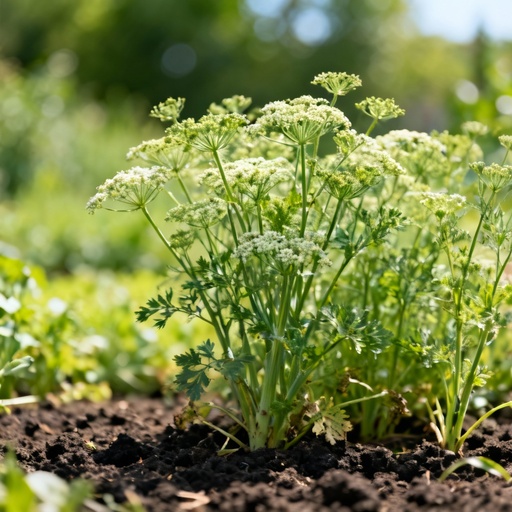
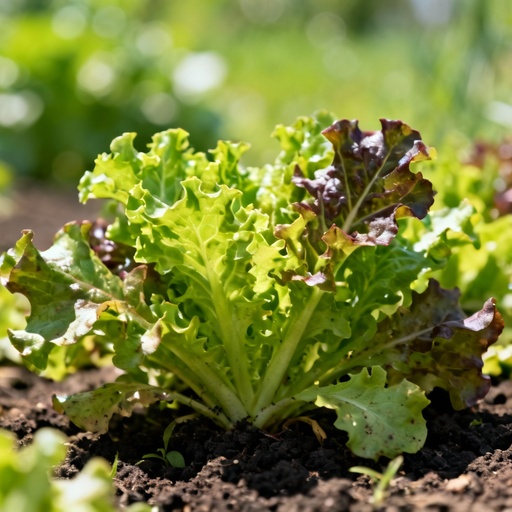
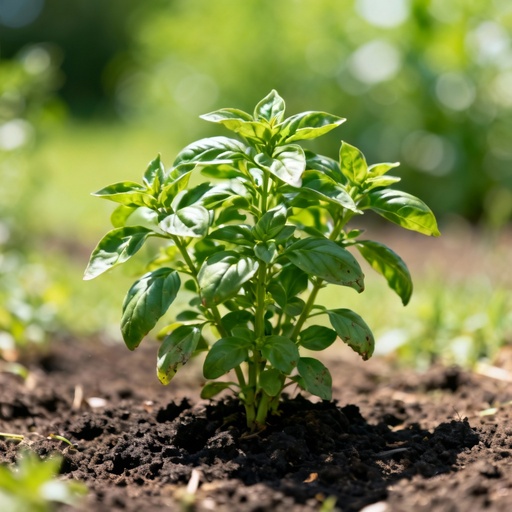
Plants compagnons