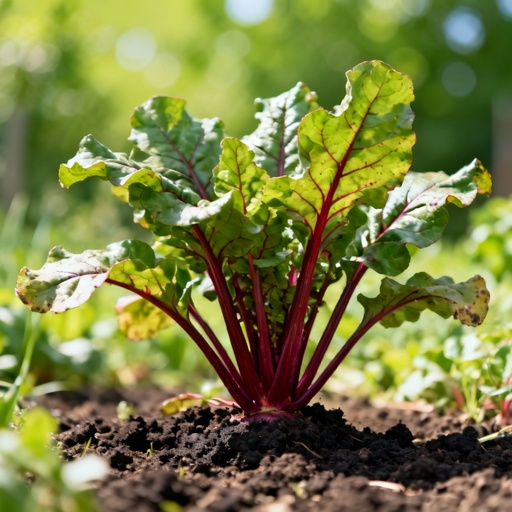
Beetroot Chioggia
Beta vulgaris
A stunning work of art hidden underground.- Rich in folate, manganese, potassium and natural betalain pigments
- Improves blood flow, enhances athletic endurance and lowers blood pressure
- Betalains provide potent anti-inflammatory and liver detoxification support

certifiées bio

Pays-Bas


Profil de la plante

Calendrier de culture

Conseils de culture
Conditions and Preparation for Planting Chioggia Beetroot
The ideal period for planting Chioggia beetroot seedlings is in the spring, once all risk of frost has passed and the soil temperature is consistently above 10°C. Successful establishment starts with a well-prepared garden bed. Begin by thoroughly weeding the area and loosening the soil to a depth of at least 20 cm to allow the roots to develop freely. Incorporate a generous amount of mature organic compost or enriched soil to create a fertile and well-draining environment. Before moving them to the garden, it is essential to acclimatize your young plants over 7 to 10 days by gradually exposing them to outdoor conditions. This hardening-off process minimizes transplant shock. Finally, water the seedlings in their pots an hour before planting to ensure the root ball is moist and easy to handle.
Transplanting and Establishing Your Seedlings
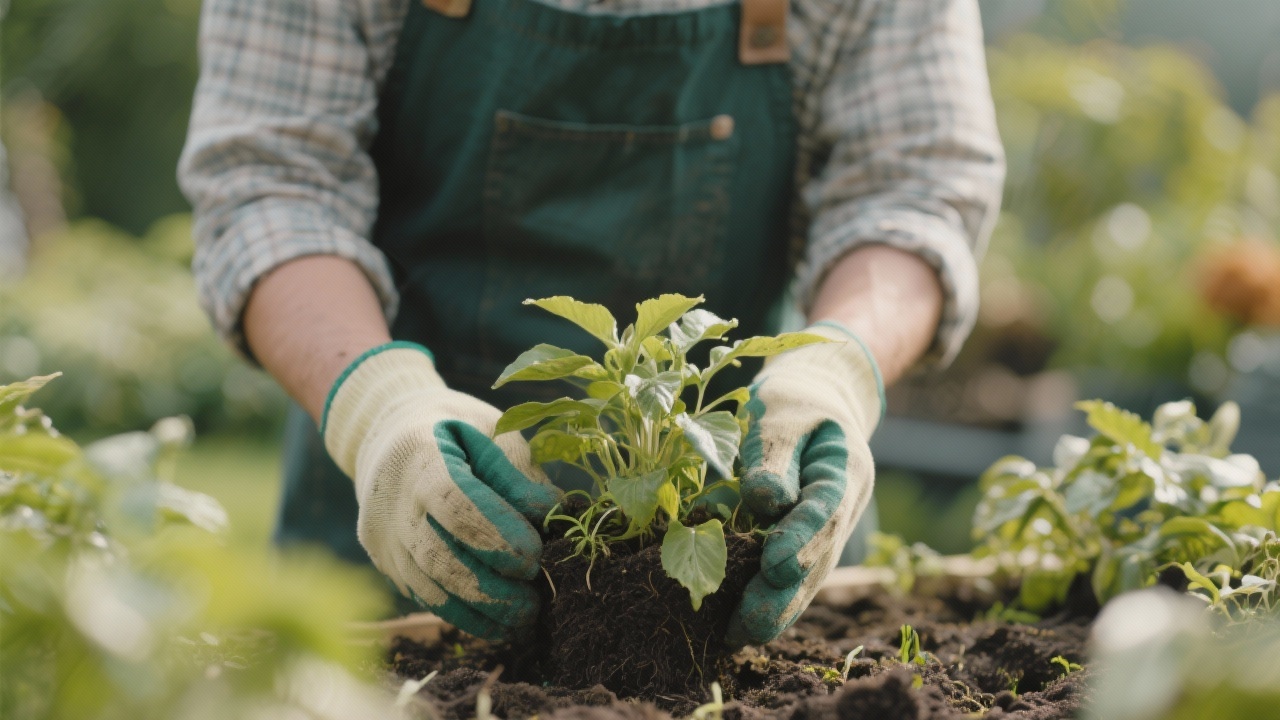
When you are ready to plant, create a hole for each seedling that is slightly larger than its root ball. Position the plant so that its collar, the point where the stem emerges from the roots, is level with the surrounding soil surface. Gently firm the earth around the base of the plant to ensure good root-to-soil contact, then provide a thorough watering to settle the soil and eliminate air pockets. For optimal growth, maintain a final spacing of 10 cm between plants and 30 cm between rows. Immediately apply a layer of organic mulch, such as straw or leaf mold, around your newly planted beetroot. This crucial step helps retain soil moisture, prevents weed competition, and supports a strong start for your plants in the vegetable garden.
À retenir
- Temperature : 10-24°C optimal
- Humidity : Moderate (50-70%)
- Light : Full sun, 6+ hours daily
- Transplanting : 2-4 true leaves
Conditions and Preparation for Planting Chioggia Beetroot
For successful regrowth of Chioggia beetroot, optimal planting conditions are crucial for any vegetable gardening enthusiast embracing organic farming principles. Ensure the risk of frost has entirely passed, typically when both air and soil temperatures consistently reach at least 10°C. Before introducing young plants, prepare the garden bed thoroughly by weeding meticulously and loosening the soil to a depth of 20-30 cm, improving aeration and drainage. Incorporate a generous amount of mature compost or other nutrient-rich, enriched soil to provide a gentle nutrient boost. Acclimatize young beetroot seedlings for 5-7 days prior to their final outdoor placement by gradually exposing them to garden conditions, preventing transplant shock and promoting robust successful regrowth. Just before planting, a brief soak of the root ball in water can aid hydration, while a light pruning of any excessively long or circling roots can encourage outward root development.
Planting and Installing the Chioggia Beetroot Seedling
When planting Chioggia beetroot seedlings, aim for a depth where the collar of the plant (the point where stems meet roots) sits just at the soil surface. Gently backfill the hole, then lightly compact the soil around each seedling to remove air pockets, ensuring good root-to-soil contact for successful regrowth. Immediately after planting, create a small basin around each plant and provide a thorough watering to settle the soil and hydrate the roots. For optimal development in your vegetable gardening space, maintain a final spacing of 10-15 cm between individual beetroot plants and 30-45 cm between rows. To support organic farming practices, apply an immediate layer of organic mulch around the newly planted seedlings; this will significantly limit evaporation and suppress weed competition, creating a stable environment for initial establishment. Staking or specific protective covers are generally not required for beetroot at this stage.
À retenir
- Depth: Collar at soil surface
- Espacement: 10-15 cm between plants
- Watering: Thoroughly immediately after; keep soil moist
- Mulching/ Protection: Apply immediate organic mulch layer
Managing plant growth and vigor
For Beetroot Chioggia, successful maintenance hinges on consistent care throughout its growing cycle. The irrigation regime requires regular, moderate watering to prevent water stress, which can lead to tough roots or premature bolting; ensure deep soil moisture without waterlogging. For sustainable fertilization, prioritize balanced organic inputs. A light top-dressing of well-rotted compost or a diluted liquid organic feed, applied in a splitting logic during active growth, supports development while adhering to organic farming principles. Essential cultivation operations include regular hoeing and diligent weeding to minimize resource competition and improve soil aeration. A healthy layer of mulching is crucial for moisture retention, temperature regulation, and weed suppression. Maintain optimal plant spacing; beetroot typically requires no pruning, pinching, or staking.
Health protection and environmental balance
Protecting Beetroot Chioggia involves vigilant health monitoring, regularly inspecting plants for early warning signs of common plant diseases or garden pests. Employ integrated and ecological protection by focusing on prevention through good cultural practices. Intervene with gentle solutions only when intervention thresholds are met, aligning with ecological gardening. Proper management of climatic conditions is vital: ensure good air circulation to reduce fungal risks, and use mulching to stabilize soil temperature and moisture. Strategic crop rotation is fundamental for long-term vegetable garden maintenance, breaking pest and disease cycles specific to beet family crops. Incorporating intercropping with companion plants further enhances biodiversity and natural pest deterrence, contributing to a balanced growing environment.
À retenir
- Type of soil : Well-drained, fertile loam, pH 6.0-7.0
- Care : Regular hoeing, weeding; compost/liquid feed during growth
- Watering : Regular, moderate; ensure deep moisture, avoid waterlogging
- Prevention: Mulch (5-8cm), crop rotation, intercropping, air circulation
Harvest Time and Conditions
Determining the ideal moment for the harvest of Chioggia beetroot is crucial for its quality. The primary indicator of maturity is the diameter of the root, which should be between 5 and 8 centimetres at the soil line. This stage is generally reached 55 to 65 days after the plant's emergence in the vegetable garden. The optimal conditions for picking are on a cool, dry day, preferably in the morning, to minimize plant stress and preserve root turgidity. A single main harvest is common, but you can gather smaller roots earlier to thin the row. Following the principles of organic farming, it's best to check a few sample roots to confirm they have reached the desired size before proceeding with a larger-scale collection of these delicious fresh fruit and vegetables.
Methods, Handling, and Storage
To collect the beetroots, gently loosen the surrounding soil with a small fork before pulling the root by hand to avoid breakage. Once harvested, proper handling is essential for good preservation. Twist the leaves off by hand, leaving about two centimetres of the stem attached to the root; do not use cutting tools on the root itself, as this can cause "bleeding" and lead to a loss of colour and moisture. This is a key step in good agricultural practices to prevent premature wilting and *oxidation*. After a light brushing or gentle rinse to remove excess soil, allow the roots to cool in a shaded, ventilated area. For optimal storage, place the beetroots in a cool, dark environment with a high relative humidity (around 95%), such as a cellar or a refrigerator's crisper drawer, where they will keep for several weeks. When transporting, handle them carefully to avoid bruising.
À retenir
- Period : 8-9 weeks after emergence
- Stage : Root 5-8 cm diameter at soil line
- Method : Loosen soil, pull gently; twist off leaves
- Storage : Cool, dark, 95% humidity; cellar/crisper, weeks
Unveiling the Culinary Versatility of Chioggia Beetroot
The visually striking Chioggia beetroot, with its signature concentric rings of pink and white, offers a delightful experience for home cooking. While its vibrant root is the primary draw, young, tender leaves are also exceptionally edible, akin to spinach in their delicate texture and mild flavor. The root itself presents a unique flavor profile: a gentle, less earthy sweetness than its red counterparts, making it incredibly approachable. Raw, it boasts a pleasant tender-crisp texture, perfect for thin slicing into vibrant salads or delicate carpaccios, showcasing its striped beauty. Cooked, through gentle roasting or steaming, it transforms into a wonderfully melt-in-the-mouth delicacy, intensifying its inherent sweetness. This garden vegetable pairs exquisitely with goat cheese, walnuts, bright citrus, and fresh herbs like dill or mint, forming the foundation for countless vegetable recipes. For optimal flavor and texture, cooking times are brief: roasting 30-45 minutes at moderate heat, steaming 15-25 minutes.
Enhancing Flavors and Preserving Chioggia Beetroot
To elevate the intrinsic fresh flavor of Chioggia beetroot, discerning seasoning tips include a drizzle of high-quality extra virgin olive oil, a splash of white balsamic vinegar, and a squeeze of fresh lemon juice to enhance its brightness. A sprinkle of sea salt, black pepper, and fresh dill or chives completes its simple elegance. Nutritionally, this garden gem is a good source of dietary fiber, essential vitamins like folate and vitamin C, and vital minerals, contributing significantly to a balanced diet. No particular consumption precautions are necessary. For optimal storage, fresh roots keep well for 2-3 weeks refrigerated, unwashed in a perforated bag. For longer enjoyment, preservation methods include blanching and freezing sliced or diced portions, pickling for a tangy treat, or venturing into lacto-fermentation, which extends shelf life and develops complex, beneficial flavors while preserving crispness.
À retenir
- Flavor Profile : Sweet, mild, delicate earthy; candy-striped flesh, crisp raw
- Classic Uses : Raw thin slices (carpaccio), roasted, pickled, salads, garnish
- Pairings : Goat cheese, orange, dill, balsamic, walnuts, arugula, crème fraîche
- Storage : Refrigerate uncooked 2-3 weeks, store in damp sand for months

Plants compagnons