Chou Chinois Emiko F1
Brassica pekinensis
Des têtes lourdes et denses pour des récoltes généreuses.- Excellente source de vitamine K, calcium et folates pour la santé osseuse
- Faible en calories, favorise la satiété et aide au contrôle du poids
- Composés glucosinolates protègent contre certains cancers et détoxifient l'organisme

certifiées bio

Pays-Bas

Profil de la plante

Calendrier de culture
Conseils de culture
Conditions et méthode de semis du chou chinois
Le semis de Brassica pekinensis, plus connu sous le nom de chou chinois, se réalise idéalement sous abri ou en culture protégée pour maîtriser les conditions. Préparez un substrat léger et bien drainé, composé de terreau horticole mélangé à un peu de perlite, qui favorise une bonne aération des racines et prévient l'asphyxie. La température du sol doit avoisiner 18 à 22 °C pour assurer une germination régulière. Semez les graines très finement, à une profondeur équivalente à deux ou trois fois leur diamètre, soit environ 3 à 5 mm sous la surface. L'humidité est déterminante : maintenez le substrat constamment humide mais non détrempé via des pulvérisations régulières et douces, idéalement à l'aide d'un vaporisateur. Une lumière naturelle ou un éclairage doux favorisera une bonne levée sans étiolement des jeunes plants.
Germination et suivi jusqu'au repiquage
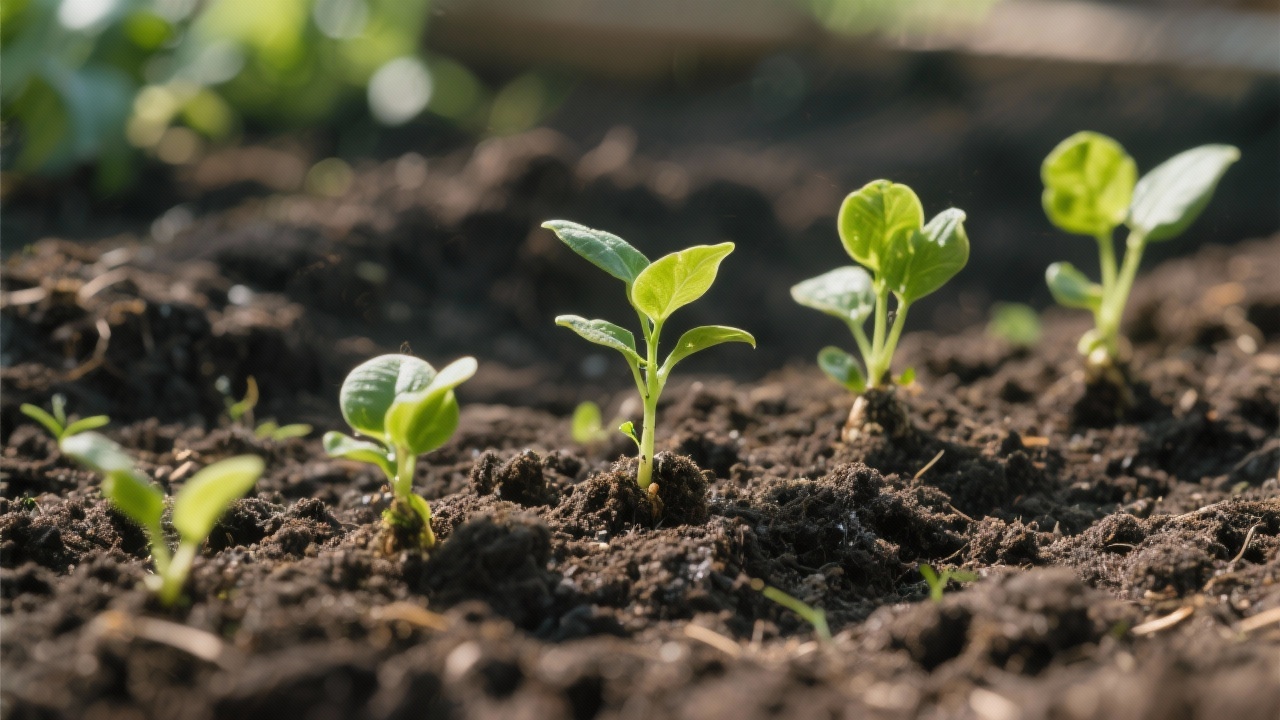
La levée des graines intervient généralement entre 7 et 10 jours après le semis, selon les conditions de température et d'humidité. Espacez vos semis suffisamment pour que chaque plantule dispose de quelques centimètres d'espace, évitant ainsi l'entassement et la pourriture. Aucun prétraitement n'est nécessaire pour cette espèce, contrairement à d'autres brassicacées. Surveillez attentivement les premiers jours : une humidité régulière reste essentielle mais attention aux excès qui favoriseraient des maladies fongiques. Dès l'apparition des premières vraies feuilles, environ 10 à 15 jours après la levée, vos jeunes plants sont prêts pour le repiquage individuel en pots de culture, étape clé pour développer un système racinaire robuste avant les stades ultérieurs.
Points clés
- Température : 18-22°C pour le sol, 15-20°C pour l'air
- Humidité : Humidité constante, pulvérisation fine sans trempage
- Lumière : 12-14 heures par jour, lumière vive et indirecte
- Repiquage : Repiquage au stade 2-3 feuilles vraies
Conditions et préparation à la plantation du chou chinois Emiko F1
La plantation du chou chinois Emiko F1 s'effectue idéalement en fin d'été ou début d'automne, lorsque les températures diurnes se situent entre 15 et 20 °C et que le sol atteint au minimum 12 à 15 °C. Cette période garantit une reprise optimale et limite les risques de montaison prématurée liés aux variations thermiques. Avant la mise en terre, préparez un sol riche et bien structuré en procédant à un désherbage minutieux et à un ameublissement en profondeur sur 20 à 25 cm. Incorporez généreusement du compost mûr ou du terreau enrichi (3 à 4 litres par mètre carré) pour améliorer la rétention d'eau et la fertilité du substrat. L'acclimatation des jeunes plants en pépinière ou sous châssis est essentielle : exposez-les progressivement aux conditions extérieures pendant 7 à 10 jours avant plantation pour renforcer leur résistance. Juste avant la mise en terre, praliquez les racines en les plongeant quelques minutes dans une bouillie de compost et d'eau, ou simplement dans de l'eau tiède, afin de favoriser le contact racinaire et d'accélérer la reprise du plant en place.
Mise en terre et installation du plant
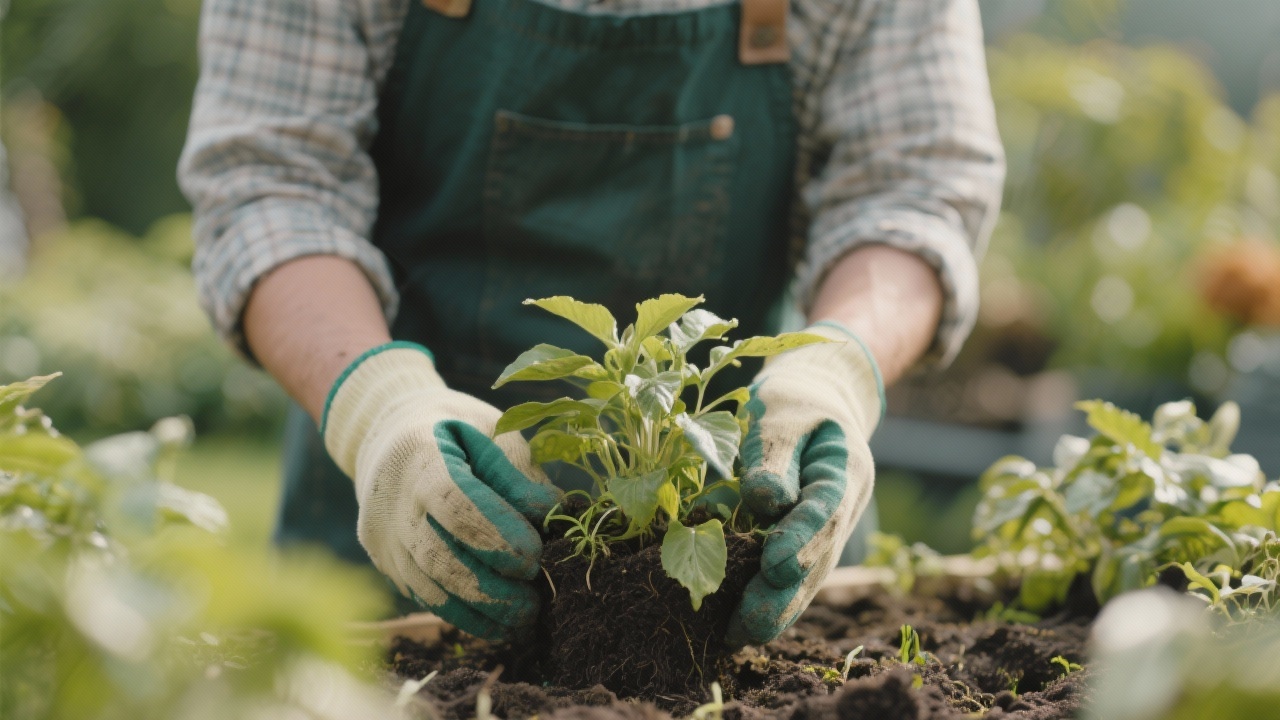
Plantez le chou chinois Emiko F1 à une profondeur telle que le collet affleure légèrement la surface du sol, sans enterrer les premières feuilles. Creusez un trou adapté à la motte, tassez délicatement le terreau autour du plant, puis arrosez immédiatement en cuvette pour assurer un bon contact terre-racines et éliminer les poches d'air. Respectez un espacement de 30 à 35 cm entre les plants et de 40 à 50 cm entre les rangs afin de garantir une bonne aération et une circulation d'eau suffisante. Dès après la plantation, mettez en place un paillage organique (paille, feuilles mortes ou compost non mûr, 5 cm d'épaisseur) autour du plant pour limiter l'évaporation, maintenir l'humidité du sol et réduire la prolifération des adventices. En conditions de forte chaleur résiduelle ou de luminosité excessive, un voile d'ombrage temporaire posé à 30 cm au-dessus des plants accélère la reprise en diminuant le stress hydrique.
Points clés
- Profondeur : 1-2 cm en surface, collet au niveau du sol
- Espacement : 30-35 cm entre plants, 50-60 cm entre rangs
- Arrosage : Arrosage en cuvette immédiat, puis humide régulièrement
- Paillage / Protection : Paille ou compost semi-décomposé, 5-7 cm d'épaisseur
Gestion de la croissance et de la vigueur du plant
Le chou chinois Emiko F1 demande un arrosage régulier et maîtrisé tout au long de sa culture : comptez environ 25 à 30 mm d'eau par semaine, à adapter selon les conditions météorologiques et l'humidité du sol. L'objectif est de maintenir une humidité constante sans créer d'engorgement, qui favoriserait les pourritures. Un paillage organique (paille, compost affiné) appliqué au pied du plant régule l'humidité et limite l'évaporation, tout en enrichissant progressivement le sol. Sur le plan nutritif, une fertilisation fractionnée à base de compost mature ou d'engrais organiques (algues calcifiées, tourteau de ricin) apportée tous les 15 à 20 jours garantit une croissance régulière sans excès azoté. Le binage léger et régulier des premières semaines aère le sol, élimine les adventices concurrentes et renforce l'enracinement. À mesure que le feuillage se développe, espacez ces interventions pour éviter d'endommager les racines superficielles.
Protection sanitaire et équilibre du milieu
La surveillance régulière du plant permet de détecter précocement les aleurodes, pucerons ou chenilles de piéride, ainsi que les taches foliaires dus à l'humidité excessive. Maintenir une bonne circulation de l'air entre les plants et éviter les arrosages foliaires réduit les risques fongiques. En approche culture bio, privilégiez les interventions douces : pulvérisations de purin d'ortie, savon noir dilué ou filets anti-insectes aux premiers stades. Observez l'équilibre thermique : le chou chinois apprécie les températures de 15 à 20 °C et souffre au-delà de 25 °C. L'intégration du chou chinois dans une rotation des cultures d'au moins trois ans limite l'accumulation de maladies spécifiques aux brassicacées. L'association avec l'ail, la ciboulette ou le marigold renforce la résilience du potager et crée un jardin écologique équilibré.
Points clés
- Type de sol : Limon-sableux, neutre (pH 6.5-7.0), riche en matière organique
- Entretien : Binage superficiel tous les 10-15 jours, compost mûr avant plantation, fertilisation organique
- Arrosage : Après reprise, 2-3×/semaine, 15-20 mm par arrosage, maintenir sol humide
- Action préventive : Paillage 5-7 cm, filet anti-insectes, rotation avec légumineuses, diversité végétale
Identifier la maturité et les conditions optimales de récolte du chou chinois Emiko F1
Le chou chinois Emiko F1 atteint sa maturité de récolte 50 à 60 jours après la transplantation, lorsque la pomme présente une fermeté caractéristique et une hauteur de 25 à 30 centimètres. L'indicateur principal réside dans la densité des feuilles internes : une pomme bien formée offre une légère résistance à la pression manuelle sans présenter de mollesse. Pour optimiser la qualité des fruits et légumes frais, la cueillette doit s'effectuer en fin de matinée ou en début d'après-midi, après évaporation de la rosée nocturne, lorsque la température avoisine 15 à 18°C. Cette fenêtre climatique réduit les chocs thermiques et préserve la teneur en humidité naturelle du feuillage. Au jardin potager, la récolte s'échelonne sur 2 à 3 semaines selon les cycles de plantation, permettant une cueillette progressive et régulière. Les rendements, en culture biologique ou conventionnelle, oscillent généralement entre 2 et 3 kilogrammes par mètre carré, selon les conditions pédoclimatiques et les bonnes pratiques agricoles appliquées.
Techniques de récolte et conservation pour préserver la qualité du produit
La récolte du chou chinois s'effectue à l'aide d'un couteau bien affûté ou d'un sécateur désinfecté, en sectionnant la pomme à la base pour éviter les déchirures du feuillage. Une manipulation délicate et rapide limite les risques d'oxydation et les blessures qui dégradent l'aspect commercial. Après la cueillette, un tri immédiat permet d'écarter les sujets endommagés et d'assurer l'hygiène du lot. Le pré-refroidissement constitue une étape clé : immerger brièvement les pommes dans de l'eau fraîche (10°C) favorise l'élimination de la chaleur de terrain et maintient la turgescence tissulaire. Le stockage optimal s'effectue à une température de 0 à 2°C avec une humidité relative comprise entre 90 et 95%, en conditions sombres, garantissant une conservation de 3 à 4 semaines sans altération significative. Pour les trajets courts vers le point de vente ou de distribution, une ventilation légère et un emballage aéré préservent la fraîcheur et prolongent la présentation attractive de ce légume feuille.
Points clés
- Période : 60-70 jours après plantation, mi-été préférable
- Stade : Pomme dense, ferme, vert clair uniforme, 25-30 cm
- Méthode : Coupe nette à la base avec sécateur désinfecté
- Stockage : 0-2°C, humidité 90-95%, maximum 3-4 semaines
Saveur fraîche et polyvalence en cuisine maison
Le chou chinois Emiko F1 est un légume du potager aux multiples facettes culinaires. Ses feuilles tendres et sa nervure centrale croustillante se consomment crues en salade, où elles révèlent une saveur douce et légèrement sucrée, ou cuites pour un goût plus fondant et délicat. En cuisine maison, ce légume s'accommode de préparations variées : sauté au wok pendant 3 à 5 minutes pour préserver son croquant, mijoté 10 à 15 minutes en braise, ou même grillé quelques minutes à la poêle. Ses feuilles se prêtent à la farce, tandis que les tiges charnus offrent une texture agréable. Les associations aromatiques idéales incluent l'ail, le gingembre frais, la sauce soja et les huiles neutres, mais aussi l'oignon, le piment et les aromates asiatiques pour une cuisine inspirée et savoureuse.
Assaisonnement, nutrition et conservation du légume
L'assaisonnement du chou chinois bénéficie d'une touche de vinaigre blanc ou de citron, d'une filet d'huile d'olive ou de sésame, et de sel modéré pour rehausser sa saveur naturelle. Ce légume offre des apports nutritionnels intéressants : riche en fibres, vitamines C et K, et minéraux comme le potassium et le calcium, il constitue une base saine pour vos recettes végétales quotidiennes. Cru, il conserve tous ses nutriments et son croquant ; cuit brièvement, il demeure digestible. Pour la conservation courte, le placer au réfrigérateur dans un sac perforé pendant 1 à 2 semaines. Pour une conservation longue, la lactofermentation en bocaux est idéale, tout comme la congélation après blanchiment rapide. Ces méthodes préservent ses qualités nutritionnelles et son goût frais caractéristique.
Points clés
- Profil gustatif : Doux, tendre, croquant, légèrement sucré, fraîcheur herbacée
- Préparations classiques : Sauté wok rapide, vapeur, salade crue, conserve lactofermentée
- Accords gagnants : Gingembre, ail, miso, tamari, coriandre, huile sésame
- Conservation : Réfrigération 2-3 semaines, congélation blanchie, sachet perforé
Compagnons intelligents