Cauliflower Bermeo
Brassica oleracea
A champion producer of large, dense, snow-white heads.- Rich in vitamin C, vitamin K, folate and choline
- Supports brain function and promotes healthy nervous system development
- Contains indole-3-carbinol which helps balance hormones and prevent cancer

certifiées bio

Pays-Bas


Profil de la plante

Calendrier de culture

Conseils de culture
Conditions and Preparation for Planting
The successful establishment of Cauliflower Bermeo depends on proper timing and soil preparation. The ideal planting period is late spring to early summer, once all risk of frost has passed and the soil temperature is consistently above 10°C. Prepare your vegetable plot by thoroughly weeding and deeply loosening the soil to improve drainage. Incorporate a generous amount of mature compost to provide essential nutrients for a strong start. Before their final planting, it is crucial to acclimatize your young plants for about a week. This hardening-off process gradually exposes them to outdoor conditions, preventing transplant shock. Finally, water the root balls well before planting and gently untangle any compacted roots to encourage new growth.
Planting and Installing the Seedling
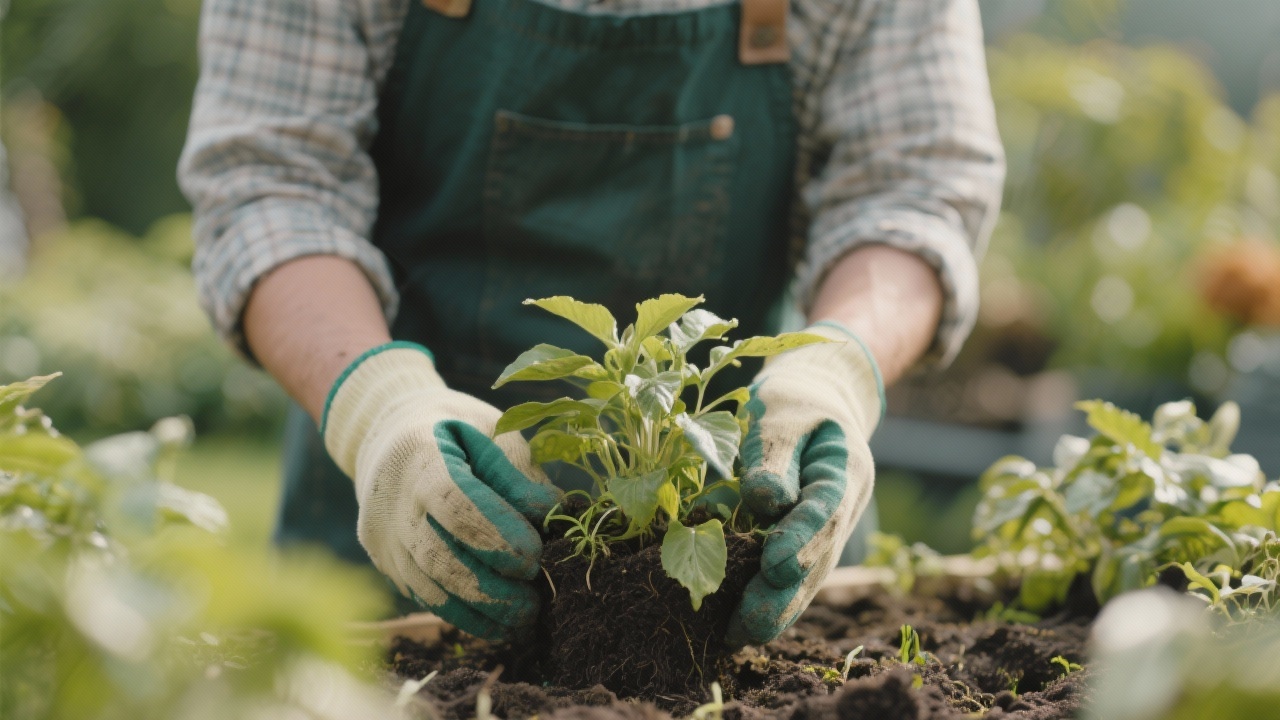
To plant your Cauliflower Bermeo seedling, place it in a prepared hole so the soil level reaches the base of its first leaves, ensuring stability. Gently firm the soil around the collar to eliminate air pockets and ensure good root-to-soil contact, then water generously to settle the plant in. Adhere to a final planting distance of 60 cm between each plant and 60 to 70 cm between rows to allow for ample development. Immediately after planting, apply a layer of organic mulch, such as straw or wood chips. This simple step is key to conserving soil moisture, regulating its temperature, and suppressing weed growth, giving your cauliflower the best possible start.
À retenir
- Temperature : 15–20°C
- Humidity : Humidité modérée
- Light : Plein soleil
- Transplanting : 3–4 feuilles
Ideal Planting Conditions and Preparation for Cauliflower Bermeo
For optimal establishment of 'Cauliflower Bermeo', **successful regrowth** begins with precise timing and meticulous soil preparation. The ideal period for planting young plants is when ambient air temperatures consistently range between 12°C and 24°C, and the **soil temperature** has reached at least 10°C, crucially ensuring complete absence of **late spring frost**. Prepare your **vegetable gardening** bed by thorough weeding and deep loosening of the soil, aiming for a friable texture. Incorporate generous amounts of **mature compost** or other **well-rotted organic matter** to enrich the planting site, fostering robust development. Young plants require a crucial **hardening off** period of 7 to 10 days; this gradual acclimatization to outdoor conditions minimizes transplant shock. Before planting, ensure the plant's **root ball** is well-hydrated by a quick soak in water; a light **pruning** of any heavily matted roots can encourage outward growth.Planting and Initial Installation of Cauliflower Bermeo
When planting 'Cauliflower Bermeo' seedlings, position them so the plant's **collar**, where the stem meets the roots, sits at the original soil level from its nursery pot. Gently firm the soil around the base of each plant to eliminate air pockets and ensure good root-to-soil contact. Create a small basin and provide a **thorough watering** immediately after planting; this settles the soil and provides essential moisture for **successful regrowth**. For ample development within your **organic farming** approach, maintain a final spacing of 45 to 60 cm between individual plants and 60 to 90 cm between rows. An immediate application of a 5 to 7 cm layer of **organic mulch**, such as straw or wood chips, around the base of each plant is highly beneficial. This critical step helps conserve **soil moisture**, regulates soil temperature, and effectively suppresses weed competition, promoting a healthy environment.À retenir
- Depth: At original nursery soil level.
- Espacement: 45-60 cm between plants.
- Watering: Thorough watering immediately after planting.
- Mulching/ Protection: 5-7 cm organic mulch (straw/chips).
Managing plant growth and vigor
For Cauliflower Bermeo, consistent **watering** is paramount to achieve uniform, high-quality curds and prevent *water stress*. Aim for deep irrigation 2-3 times weekly, roughly 15-20 liters per square meter, especially during dry periods, to maintain constant soil moisture. A robust **sustainable fertilization** program is essential, as Bermeo is a heavy feeder. Apply well-rotted **organic inputs** or balanced organic fertilizers every 3-4 weeks, using a **splitting logic** to support vegetative growth and early curd formation. Regular **hoeing** controls weeds and aerates the soil, while maintaining a thick layer of **mulching** (e.g., straw) conserves moisture, suppresses weeds, and moderates soil temperature. Ensure adequate **spacing** to promote air circulation and light, which aids in overall plant vigor and reduces disease risk.
Health protection and environmental balance
Diligent **plant maintenance** includes daily **health monitoring**. Inspect leaves frequently for *warning signs* of **plant diseases** or **garden pests** like cabbage worms or aphids, enabling early, effective intervention. Embrace **ecological gardening** principles and integrated protection; prioritize **prevention** through good cultural practices. Utilize **gentle solutions** such as beneficial insects or organic sprays only when **intervention thresholds** are met. Manage **climatic conditions** by protecting curds from direct sun and maintaining even moisture. Practicing **crop rotation** (avoiding brassicas for 3-4 years) is vital to break pest and disease cycles. Furthermore, **intercropping** with suitable companion plants enhances **vegetable garden maintenance** by deterring specific pests and fostering a balanced ecosystem.
À retenir
- Type of soil : Fertile, well-drained, humus-rich loam, pH 6.0-7.0
- Care : Regular hoeing, weeding, nitrogen-rich compost monthly, blanch heads when forming
- Watering : Consistent deep watering 1-2x/week, never let soil dry out
- Prevention : Insect netting, 5-8 cm mulch, crop rotation 4 years, remove diseased leaves
Harvest Time and Optimal Conditions
The successful harvest of Cauliflower 'Bermeo' hinges on identifying the precise moment of maturity. A ready head is firm, dense, and uniformly white with tightly closed florets, a stage typically reached 70 to 85 days after planting. For the best quality fresh fruit and vegetables from your vegetable garden, harvesting in the cool, dry conditions of the early morning is ideal. This practice minimizes plant stress and preserves its natural crispness. Avoid picking when heads are wet from dew or rain to prevent rot. As each plant yields one main head, timing this operation carefully is a key component of good agricultural practices for ensuring a consistent and high-quality supply.
Methods, Handling, and Storage
Using sharp cutting tools like a sturdy knife, sever the main stem well below the head, leaving a few protective wrapper leaves attached. Handle the curds gently to prevent bruising and subsequent oxidation. A quality check immediately after picking is a core tenet of organic farming. For extended preservation, rapidly removing field heat through pre-cooling is highly effective. Optimal storage conditions are a low temperature, ideally between 0°C and 2°C (32-35°F), and a very high relative humidity of around 95%. This meticulous approach maintains freshness for up to two weeks, ensuring the cauliflower remains in perfect condition during short-distance transport.
À retenir
- Period : 10-12 weeks after planting
- Stage : Firm, dense, white head; tight florets.
- Method : Cut main stem below head; leave wrapper leaves.
- Storage : 0-2°C, 95% RH; up to two weeks.
The Versatility of Cauliflower Bermeo in Gourmet Home Cooking
The pristine florets of Cauliflower Bermeo are the primary edible treasure, though its tender inner stems and leaves can also lend delicate flavour to broths. This superb garden vegetable presents a refined flavour profile that is subtly sweet and nutty, offering a delightful crisp texture when enjoyed raw in a vibrant salad, or transforming into a wonderfully melt-in-the-mouth creaminess when cooked. Its culinary preparation is remarkably adaptable; it excels when roasted to achieve a caramelized depth, gently steamed to preserve its delicate structure, or puréed into velvety soups and sauces. For exquisite flavour combinations, pair it with bright lemon zest, robust aged cheeses, aromatic curries, or fresh herbs like parsley and dill. Quick cooking methods prevail: steaming takes just 5-7 minutes until tender-crisp, while roasting florets at 200°C for 20-25 minutes brings out its best.
Enhancing and Preserving Cauliflower Bermeo: Nutrition and Storage Insights
To elevate the natural taste of Cauliflower Bermeo, judicious seasoning is key. A drizzle of quality olive oil or melted butter (or plant-based alternative), a squeeze of fresh lemon juice, or a splash of white wine vinegar enhances its character. Aromatic additions such as garlic, smoked paprika, or a sprinkle of fresh chives or cilantro create compelling contrasts. This esteemed garden vegetable is also a valuable contributor to a balanced diet, offering good sources of Vitamin C, Vitamin K, and dietary fiber, alongside various antioxidants. For optimal short-term storage, whole heads or florets of Bermeo cauliflower can be kept in a perforated bag in the refrigerator for up to a week, maintaining their fresh flavour and texture. For long-term preservation, blanching and then freezing the florets is highly effective, as is embarking on the traditional method of lacto-fermentation, which yields tangy, probiotic-rich pickles perfect for extending its culinary utility throughout the year.
À retenir
- Flavor Profile : Sweet, nutty; crisp (raw), creamy (cooked)
- Classic Uses : Roasted, steamed, puréed; also raw salads
- Pairings : Lemon, aged cheese, curry, herbs, garlic, paprika
- Storage : Fridge (1 week); blanch & freeze; lacto-ferment

Plants compagnons