Tomato Pineapple Sergeant
Solanum lycopersicum
An explosion of sweet, tropical fruitiness.- Rich in beta-carotene, vitamin C and bioflavonoid compounds
- Supports eye health and promotes natural collagen production
- Unique pigment combination offers enhanced protection against cellular oxidation

certifiées bio


Profil de la plante

Calendrier de culture

Conseils de culture
Conditions and Preparation for Planting
Successful establishment of your Tomato Pineapple Sergeant plants begins with choosing the right moment for planting. Wait until all risk of frost has passed and the soil has warmed to at least 15°C, with daytime air temperatures consistently above 18°C. Prepare your vegetable garden plot by carefully removing all weeds and loosening the soil to a good depth. Enhance its fertility by incorporating a generous amount of mature compost or a quality enriched soil, creating a nutrient-rich foundation for vigorous growth. Before transferring them to the garden, it is crucial to harden off the young plants. Gradually expose them to outdoor conditions over a period of 7 to 10 days to acclimatize them and prevent transplant shock. A few hours before planting, water the seedlings well to ensure the root ball is moist, which facilitates easy removal from the pot and reduces stress.
Planting and Installing the Seedling
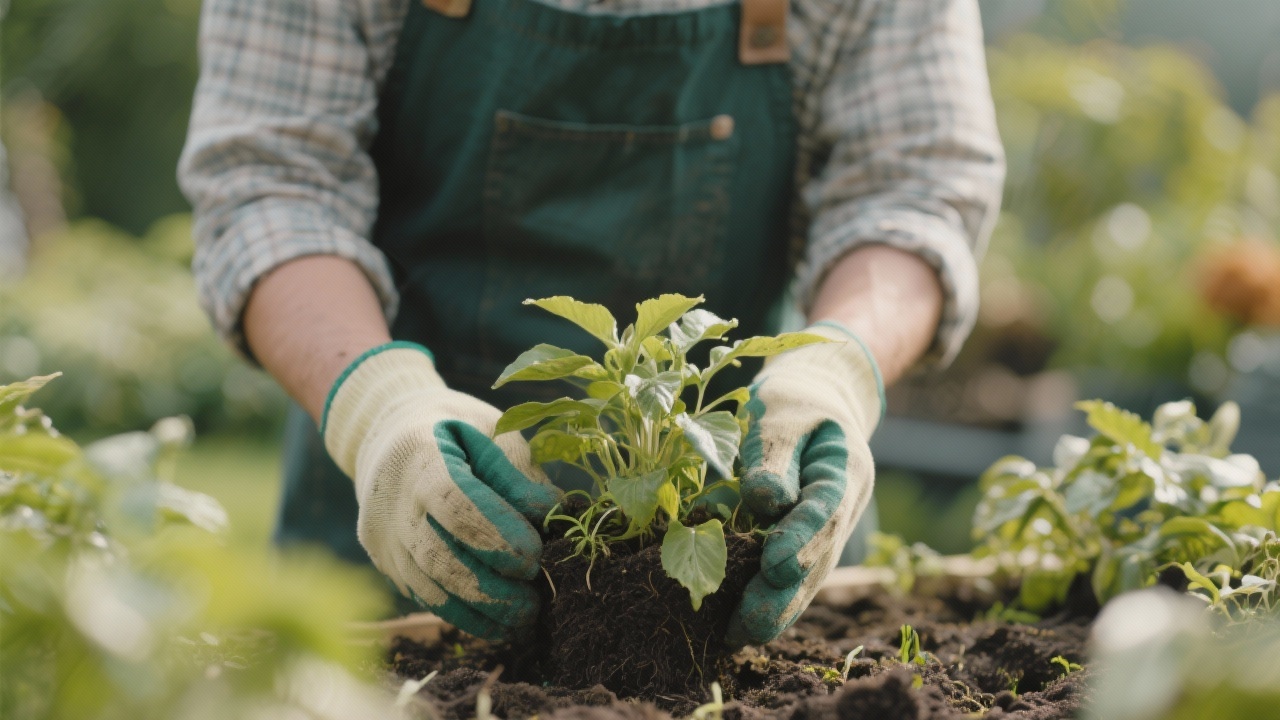
When planting your Tomato Pineapple Sergeant, dig a hole deep enough to bury the stem up to the first set of true leaves. This technique encourages the development of a robust secondary root system, known as adventitious roots, for better stability and nutrient uptake. Place the plant in the hole, backfill with soil, and gently firm the earth around the base to ensure good contact with the roots. Water generously immediately after planting to settle the soil. For optimal development and air circulation, maintain a final spacing of at least 60 to 80 cm between each plant and 80 cm between rows. Apply a thick layer of organic mulch, such as straw or compost, around the base of the plant to conserve moisture and suppress early weed competition. As this is an indeterminate variety, install a sturdy stake or support cage at the time of planting to guide future growth without disturbing the newly established roots.
À retenir
- Temperature : Warm, 21-27°C optimal.
- Humidity : Moderate humidity required.
- Light : Full sun; 14-16 hours daily.
- Transplanting : 4-6 true leaves developed.
Preparing for a Successful Pineapple Sergeant Tomato Planting
For optimal results in your organic vegetable gardening, plan the planting period for your 'Pineapple Sergeant' tomatoes after all danger of frost has definitively passed, ensuring consistent soil temperatures of at least 15°C and air temperatures ranging from 15°C at night to 20-25°C during the day for robust development. Begin by thoroughly weeding the chosen site, then loosen the soil deeply (30cm+) to promote a healthy root system and improve drainage. Incorporate a generous amount of mature organic compost or enriched soil into the planting area. Prior to transplanting, gradually acclimate your young plants over 7 to 10 days through a process called hardening off, exposing them to outdoor conditions to prevent shock and encourage successful regrowth. Before settling them into the ground, gently soak any dry root balls, and if the roots are circling or pot-bound, carefully tease them apart to encourage outward growth.
Installing Your Pineapple Sergeant Tomato Seedlings for Vigorous Growth
When installing your 'Pineapple Sergeant' tomato seedlings, aim for a deep planting depth; bury the stem up to the first set of true leaves. This unique approach encourages new root formation along the buried stem, leading to a stronger, more resilient plant and excellent subsequent regrowth. After positioning, gently backfill and lightly compact the soil around the seedling to eliminate air pockets, then create a small basin around the plant. Immediately provide a thorough initial watering to settle the soil and ensure intimate root-to-soil contact. Maintain a final spacing of 60 to 90 cm between individual plants and 90 to 120 cm between rows, allowing ample room for mature development. Directly after planting, apply a generous layer of organic mulch, such as straw or aged leaves, to conserve soil moisture, regulate temperature, and effectively suppress weed competition. Due to their indeterminate growth habit, installing a sturdy staking system at the time of planting is highly recommended to support the plant's future vigor and fruit load.
À retenir
- Depth: Bury stem 10-15cm deep (first true leaves)
- Espacement: 60-90 cm between plants
- Watering: Thorough initial, then consistently moist soil
- Mulching/ Protection: Generous organic mulch (straw or leaves)
Managing Plant Growth and Vigor
For 'Pineapple Sergeant' tomatoes, effective **plant maintenance** demands consistent care. **Watering** should be deep and regular, ideally in the morning, ensuring the root zone remains consistently moist to prevent **water stress** and fruit cracking. Volumes of 3-5 liters per plant every 1-3 days may be indicative, depending on conditions. Embrace **organic farming** for **fertilization**, applying balanced organic inputs like compost or granular feeds in split doses: at vigorous growth and again at fruit set. Routine **hoeing** controls weeds and aerates the soil. Maintain a generous organic **mulching** layer to conserve moisture, suppress weeds, and regulate soil temperature. As an indeterminate variety, robust **staking** is essential to support heavy fruit loads. Regular **pinching** of suckers (lateral shoots) helps direct energy to fruit production, promoting air circulation and reducing disease risk.
Health Protection and Environmental Balance
Vigilant **health monitoring** is crucial. Regularly inspect plants for early **warning signs** of **plant diseases** like blight, or common **garden pests** such as aphids. **Ecological gardening** prioritizes prevention and integrated protection, fostering beneficial insects and using gentle, organic solutions only when **intervention thresholds** are met. Managing **climatic conditions** is also key; ensure good air circulation to reduce humidity issues, and provide temporary shade during extreme heat. For balanced **vegetable garden maintenance** and disease prevention, strict **crop rotation** is paramount. Strategic **intercropping** with companion plants further enhances pest deterrence and supports overall ecosystem health.
À retenir
- Type of soil : Light, well-drained, humus-rich soil, pH 6.0-6.8
- Care : Stake tall indeterminate vines, prune suckers, support heavy bicolor fruit, feed bi-weekly
- Watering : Deep watering 1-2x/week at base, consistent moisture, avoid overhead watering
- Prevention : 5-8 cm organic mulch, copper spray preventive, good air circulation, rotation
Determining the Optimal Harvest Window
The harvest of the Tomato Pineapple Sergeant is a key step that dictates the final quality of these unique fresh fruit and vegetables. Optimal maturity is signaled by a deep golden-yellow skin, typically developing a distinct reddish-pink blush on the blossom end, accompanied by a firm yet yielding texture under gentle pressure. Generally, the first fruits are ready for picking approximately 80 to 90 days after transplanting into the vegetable garden. For best results, conduct the harvest in the morning after the dew has dried but before the sun's heat intensifies. This practice helps maintain the fruit's turgidity and extends its shelf life. Harvesting in dry conditions is a tenet of good agricultural practices, limiting the spread of fungal pathogens. Expect a staggered production, allowing you to gather ripe tomatoes every two to three days during the peak season.
Handling, Preservation, and Storage Techniques
Using appropriate cutting tools, such as clean pruning shears or a sharp knife, is recommended to detach the fruit with a small portion of the calyx intact, which prevents tearing the trusses and reduces the risk of oxidation. Careful handling is paramount to avoid bruising, which can compromise long-term preservation. After picking, gently wipe each tomato clean and sort the harvest, immediately separating any damaged fruit. A brief period in a cool, shaded area can serve as a simple pre-cooling step to remove residual field heat. For optimal storage, maintain a temperature around 12-15°C (55-60°F) with a moderate relative humidity; refrigeration should be avoided as it degrades both flavor and texture. When transporting your harvest, even over short distances, arrange the tomatoes in a single layer in a shallow crate to ensure they arrive in perfect condition, a principle valued in organic farming.
À retenir
- Period : 80-90 days post-transplant; then every 2-3 days.
- Stage : Golden-yellow, reddish-pink blush, firm yet yielding.
- Method : Cut with shears/knife, calyx intact; avoid bruising.
- Storage : 12-15°C, moderate humidity; avoid refrigeration.
A Symphony of Flavor: Culinary Uses of Tomato Pineapple Sergeant
The 'Pineapple Sergeant' tomato is a magnificent **garden vegetable** prized in **home cooking** for its extraordinary and complex **fresh flavor** profile. Its edible fruit boasts a vibrant, juicy, and meaty **texture**, delivering a distinctive sweet-tart balance with pronounced notes of tropical fruit, often reminiscent of pineapple and citrus. This makes it an exceptional choice for various **culinary preparations**, whether enjoyed simply raw in salads, where its unique taste can truly shine, or gently roasted to concentrate its inherent sweetness. It excels in fresh salsas, contributes a captivating fruitiness to light sauces, or can be thinly sliced as a gourmet topping for bruschetta. For delightful **flavor combinations**, pair it with fresh basil, creamy mozzarella, or a drizzle of high-quality extra virgin olive oil. When **cooking**, its delicate nature thrives with minimal heat; quick sautéing or gentle simmering preserves its nuanced character, making it a star ingredient in vibrant summer **vegetable recipes**.
Enhancing Meals: Nutrition, Seasoning, and Storage Insights
To fully appreciate the 'Pineapple Sergeant' tomato, a simple approach to **seasoning** is best: a sprinkle of flaky sea salt, freshly ground black pepper, and a high-quality olive oil often suffice. A splash of apple cider vinegar or a squeeze of fresh lemon juice can further brighten its tropical notes, while fresh herbs like oregano or thyme complement its natural sweetness. Beyond its delightful taste, this tomato offers significant **nutritional value**, providing essential vitamins such as C, K, and A, alongside dietary fiber and potent antioxidants like lycopene, contributing to a wholesome diet. No specific consumption precautions are necessary for ripe fruits. For optimal short-term **storage**, keep these beauties at room temperature away from direct sunlight to maintain their peak fresh flavor. For longer preservation, consider canning them as a rich, flavorful sauce, freezing diced pieces for future **vegetable recipes**, or even drying slices to concentrate their unique taste, extending their presence in your **home cooking** repertoire.
À retenir
- Flavor Profile : Sweet-tart, tropical fruit notes (pineapple/citrus), juicy, meaty.
- Classic Uses : Raw in salads, bruschetta, light sauces; minimal heat.
- Pairings : Fresh basil, mozzarella, olive oil, lemon, complementary herbs.
- Storage : Room temp (short-term); freeze, can, or dry (long-term).

Plants compagnons