Tomato Yellow Clementine
Solanum lycopersicum
An explosion of sweet and tangy sunshine.- Rich in beta-carotene, vitamin C and natural fruit sugars
- Gentle on stomach, supports healthy skin tone and elasticity
- Low-acid variety reduces heartburn while delivering protective antioxidants

certifiées bio


Profil de la plante

Calendrier de culture

Conseils de culture
Conditions and Preparation for Planting
For a successful start in your vegetable garden, the ideal planting period for Tomato Yellow Clementine is after the last spring frost, when the soil has warmed to at least 14°C and night-time air temperatures remain consistently above 10°C. Prepare the planting site by thoroughly weeding and loosening the soil to a depth of about 30 cm. Enhance soil fertility and structure by incorporating a generous amount of mature compost or a quality soil amendment, creating a rich foundation for vigorous growth. Before their final placement, it is crucial to harden off your young plants. Acclimatize them over 7 to 10 days by gradually increasing their exposure to outdoor sunlight and wind, which prevents transplant shock. Just before planting, water the seedlings well to ensure the root ball is fully hydrated, which facilitates an easier transition into the garden soil.
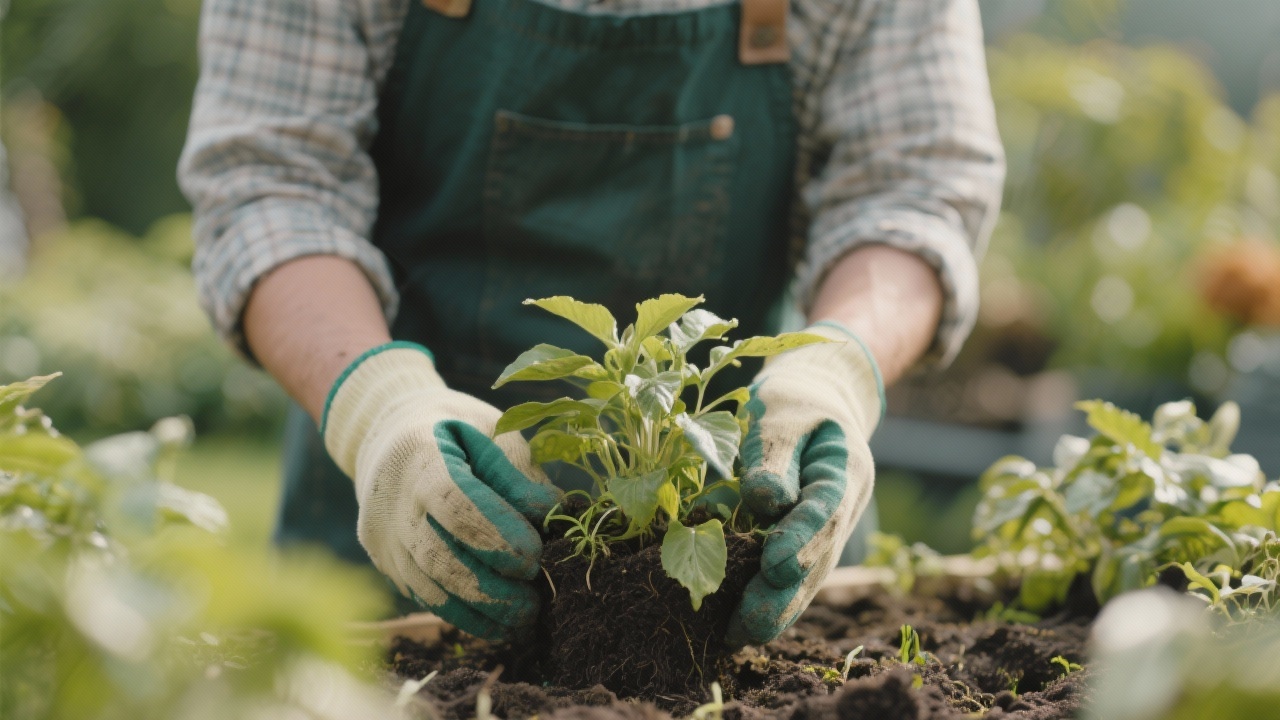
Planting and Installing the Seedling
To plant your Tomato Yellow Clementine, dig a hole slightly larger and deeper than the pot. A key technique for tomatoes is to bury the stem up to the first set of true leaves; this encourages the development of a more robust root system along the submerged stem. After placing the plant in the hole, backfill with soil and gently firm it down around the base to eliminate air pockets. Water generously immediately after planting to settle the soil and help the roots establish contact. Maintain a spacing of 50 cm between plants and 70 cm between rows to ensure good air circulation. Apply a thick layer of organic mulch, like straw or wood chips, around the plant to retain soil moisture and suppress weeds. Finally, install a sturdy stake or cage at the time of planting to provide support as the vine grows, avoiding root damage later.
À retenir
- Temperature : Optimal 20-25°C for growth
- Humidity : Moderate humidity
- Light : Full sun, 6-8 hours daily
- Transplanting : 4-6 true leaves, sturdy plants
Conditions and Preparation for Planting 'Tomato Yellow Clementine'
For successful vegetable gardening, plant 'Yellow Clementine' tomato seedlings outdoors when all frost danger has passed, with air temperatures consistently above 15°C and soil temperatures at least 10°C. Prepare the site by clearing weeds and loosening soil 30-40 cm deep. Incorporate abundant well-rotted mature compost or organic amendments to enrich the substrate, fostering robust root development and strong regrowth. Acclimatize young plants for 7-10 days by gradually exposing them to outdoor conditions, preventing transplant shock. Before planting, moisten the root ball and, if necessary, gently tease out a few roots to encourage outward growth.
Planting and Installation of 'Tomato Yellow Clementine' Seedlings
For planting 'Yellow Clementine' tomatoes, bury the seedling deep, ideally up to its first true leaves. This encourages new root formation along the stem, creating a stronger root system for stability and nutrient uptake. After placement, gently firm the soil to remove air pockets. Create a basin and water thoroughly to settle the soil and ensure intimate root-to-soil contact, vital for successful regrowth. Space plants 60-75 cm apart within rows and leave 90-120 cm between rows for optimal air circulation. Immediately apply a 5-10 cm layer of organic mulch (e.g., straw) around each plant to conserve moisture, regulate temperature, and suppress weeds, supporting healthy development. Given their indeterminate nature, install sturdy stakes or cages at planting to provide essential support without disturbing young roots.
À retenir
- Depth: Bury stem up to first true leaves.
- Espacement: 60-75 cm between plants, 90-120 cm rows.
- Watering: Thorough watering immediately; maintain even moisture.
- Mulching/ Protection: 5-10 cm organic mulch; install support stakes/cages.
Managing Plant Growth and Vigor for Tomato Yellow Clementine
Successful **plant maintenance** for the Tomato Yellow Clementine hinges on consistent care. Implement a precise **watering** regime, aiming for deep, infrequent applications to encourage robust root development and prevent common issues like *blossom end rot*. Monitoring soil moisture is crucial to avoid **water stress**, especially during the critical fruiting stages, with *drip irrigation* being an excellent method to deliver water efficiently at the plant's base. For **sustainable fertilization**, integrate **organic farming** principles by applying balanced **organic fertilizer** during initial growth, transitioning to higher potassium inputs as fruits develop. Employ a **splitting logic**, providing smaller, regular doses every few weeks to ensure a steady nutrient supply. Essential **vegetable garden maintenance** tasks include gentle **hoeing** to control weeds and improve soil aeration, taking care not to disturb the root system. Maintain a generous layer of **mulching** material, such as straw or compost, which conserves moisture, suppresses weeds, and enriches the soil, further supporting healthy growth. As an indeterminate variety, regular **pinching** of *suckers* (axillary shoots) is beneficial, promoting better air circulation and fruit development. Robust **staking** or caging is indispensable to support the plant's vigorous growth and heavy fruit load, keeping foliage and fruits off the ground.
Health Protection and Environmental Balance
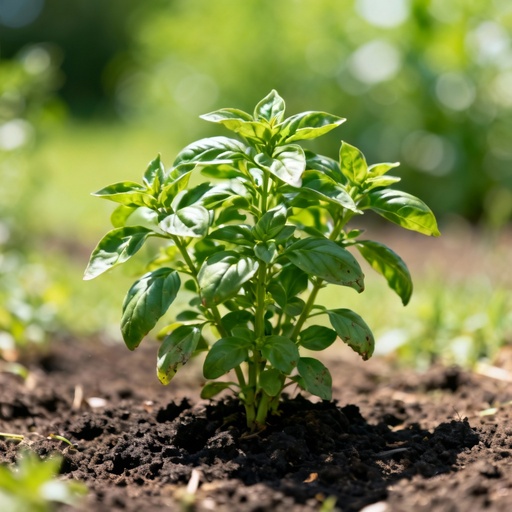
Maintaining the health of Tomato Yellow Clementine requires vigilant **health monitoring**. Regularly inspect plants for early **warning signs** of **plant diseases** like fungal spots, or the presence of common **garden pests** such as aphids or spider mites. Early detection is key to effective and ecological intervention. Embrace **ecological gardening** through an integrated approach focused on **prevention**: ensure adequate air circulation, proper plant spacing, and robust soil health. Should pests emerge, consider gentle solutions like insecticidal soap or *neem oil* before resorting to stronger measures, respecting **intervention thresholds**. Managing **climatic conditions** is also vital; provide partial shade during intense heatwaves to prevent sunscald, and offer windbreaks if exposed. To foster a balanced **vegetable garden** and mitigate recurring **health problems**, consistent **crop rotation** is paramount. Avoid planting tomatoes in the same spot for at least three to four years. Furthermore, **intercropping** with companion plants like basil or marigolds can naturally deter pests and attract beneficial insects, contributing to overall garden resilience and a vibrant ecosystem.
À retenir
- Type of soil : Well-drained, fertile loam, pH 6.0-6.8
- Care : Hoeing, mulching (5-8cm), fertilizing, pinching, staking
- Watering : Deep, infrequent applications; monitor soil moisture
- Prevention: Crop rotation, mulching, monitor pests/diseases, spacing, shade
Determining the Optimal Harvest Moment
The harvest of the Yellow Clementine tomato from the vegetable garden is a crucial step that begins when the fruits reach optimal maturity. This stage is indicated by a uniform, bright clementine-yellow colour and a firm texture that yields slightly to gentle pressure at the shoulders. Typically, the first ripe tomatoes appear 8 to 10 weeks after the young plants are established. To ensure the highest quality of these fresh fruit and vegetables, conduct the picking in the morning, after the dew has evaporated, when the ambient temperature is still cool. Harvesting in dry conditions, avoiding excessive humidity on the foliage, is a key tenet of good agricultural practices. A regular collection every two to three days will stimulate continuous fruit production throughout the season.
Post-Harvest Handling and Preservation
The harvesting technique for Yellow Clementine tomatoes should prioritize the integrity of both the fruit and the plant. It is preferable to use clean cutting tools, such as pruning shears, to snip the small truss or individual fruit, rather than pulling, which can cause damage. Handle these delicate fresh fruit and vegetables with care, placing them in shallow containers to prevent bruising and subsequent oxidation. In line with organic farming principles, a simple sorting immediately after picking ensures that only healthy specimens are kept for preservation. A brief period of pre-cooling in a shaded, well-ventilated area helps remove field heat. For optimal storage, maintain a temperature between 12°C and 15°C with a relative humidity, or hygrometry, of around 85-95%. Avoid refrigeration, which degrades their texture and flavour, and they will keep perfectly for about a week.
À retenir
- Period : 8-10 weeks after plants established
- Stage : Bright clementine-yellow, firm, yields to gentle pressure
- Method : Snip with clean shears; avoid pulling
- Storage : 12-15°C, 85-95% RH, ~1 week; no fridge
Taste Profile and Culinary Uses of Yellow Clementine Tomatoes
The 'Yellow Clementine' tomato, a vibrant garden vegetable, offers a burst of subtly sweet, low-acid fresh flavor with tender, juicy flesh and delicate skin. Its versatile nature makes it superb for various culinary preparations. Enjoyed raw, its cheerful hue and mild taste elevate simple salads, bruschetta, or an elegant caprese with fresh mozzarella and basil. For home cooking, a quick sauté brightens its inherent sweetness, while roasting gently caramelizes the sugars, intensifying its unique character. It also shines when lightly simmered into delicate yellow sauces or cold soups, contributing to delightful vegetable recipes. Consider pairing it with fresh herbs like basil, chives, or parsley; its inherent sweetness harmonizes beautifully with mild goat cheese, creamy burrata, or plant-based proteins such as white beans for exquisite flavor combinations.
Seasoning, Nutrition, and Storage of Yellow Clementine Tomatoes
To accentuate its profile, simple seasoning tips include a drizzle of high-quality extra virgin olive oil, a splash of white balsamic vinegar, and a sprinkle of flaky sea salt and freshly ground pepper. A hint of lemon zest can further brighten its taste, while plant-based creams can enrich roasted tomato soups for a luxurious texture. Beyond its delightful taste, the 'Yellow Clementine' contributes significantly to nutritional value. It is a good source of Vitamin C, potassium, and beneficial antioxidants, notably carotenoids responsible for its sunny color. Generally, ripe tomatoes present no consumption precautions and are a wholesome addition to any meal. For optimal enjoyment, storage is key: keep fresh 'Yellow Clementine' tomatoes at room temperature for short-term preservation to maintain their peak fresh flavor. For long-term solutions, they are excellent for freezing whole or diced, and can be easily canned into delicious sauces. The sweetness also concentrates wonderfully through drying, whether sun-dried or oven-dried. For a unique tangy twist, lacto-fermentation offers another delicious preservation method.
À retenir
- Flavor Profile : Sweet, mild, low acidity; delicate fruity flavor, tender skin
- Classic Uses : Raw snacking, salads, roasted, light pasta toss, fresh garnish
- Pairings : Basil, olive oil, balsamic, mozzarella, pine nuts, mild herbs
- Storage : Room temperature 5-7 days, handle gently, never refrigerate

Plants compagnons