Beefsteak Tomato
Solanum lycopersicum
The ultimate slice, packed with classic flavor.- High in lycopene, vitamin C, potassium and dietary fiber
- Promotes satiety, supports weight management and healthy digestion
- Large fruit delivers substantial cancer-fighting lycopene per serving

certifiées bio

Pays-Bas


Profil de la plante

Calendrier de culture

Conseils de culture
Conditions and preparation for planting
Successful establishment of your beefsteak tomato plants begins with selecting the ideal planting window, which is after all risk of frost has passed. For optimal growth, ensure the soil temperature is consistently above 15°C and night air temperatures do not drop below 12°C. Prepare your garden bed by performing a thorough weeding and loosening the soil deeply to promote root development. Enhance soil fertility by incorporating a generous amount of mature compost or enriched soil, creating a nutrient-rich foundation for your vegetable garden. Before planting, it is crucial to acclimatize your young plants for 7 to 10 days by gradually exposing them to outdoor conditions. This hardening-off process minimizes transplant shock. Just before planting, water the root ball well to ease its removal from the pot and hydrate the roots.
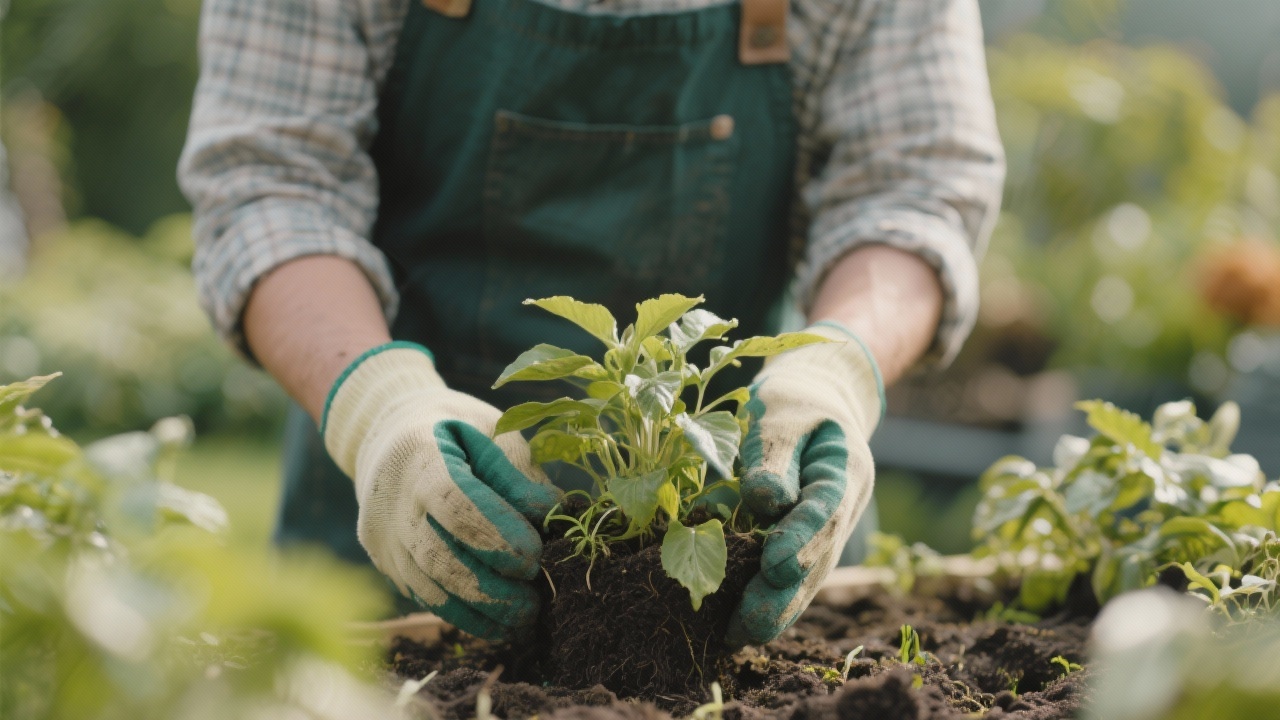
**Planting and installing the seedling**When planting your beefsteak tomato, position the seedling deeper than it sat in its pot. Bury the stem up to the first set of true leaves, a technique that encourages a stronger root system. Gently firm the soil around the base to ensure good root contact and provide a generous watering to settle the earth. For healthy development, maintain a final spacing of 60 to 80 cm between plants and 80 to 100 cm between rows to guarantee good air circulation. Immediately apply a thick layer of organic mulch to conserve soil moisture and suppress weeds. It is highly recommended to install a sturdy stake or support cage at the time of planting to avoid future root disturbance.
À retenir
- Temperature : Day 20-25°C; night above 15°C
- Humidity : Moderate, 50-70% ideal
- Light : Full sun, 6-8+ hours daily
- Transplanting : 2-3 sets true leaves
Optimal Planting Conditions and Soil Preparation for Beefsteak Tomatoes
For successful vegetable gardening, planting Beefsteak tomatoes requires stable conditions: soil temperature consistently above 15°C and ambient air above 10°C, with no frost risk. This ensures optimal successful regrowth. Prepare your garden bed by weeding thoroughly and loosening the soil to 30 cm, then enriching it with mature compost or organic soil. Acclimate young plants over 7-10 days outdoors to harden them off before transplanting. Before installation, check roots: soak if dry, or gently tease pot-bound roots to encourage spread.
Effective Planting and Initial Care for Beefsteak Tomato Seedlings
When planting Beefsteak tomato seedlings, bury the stem deeply, up to the first true leaves. This method encourages robust root development along the buried stem, essential for strong successful regrowth in your organic farming efforts. After placement, gently firm the soil around the base to remove air pockets, then create a small basin and water thoroughly to settle the soil. Ensure proper spacing for mature plants: approximately 60-90 cm between plants and 90-120 cm between rows, allowing ample room for growth and air circulation. Immediately apply a 5-10 cm layer of organic mulch (e.g., straw) to conserve moisture and suppress weeds. Finally, install sturdy stakes or cages at the time of planting to support the plant's vigorous future growth and heavy fruit load.
À retenir
- Depth: Bury stem up to first true leaves.
- Espacement: 60-90 cm between plants, 90-120 cm rows.
- Watering: Deep initial watering; consistent moisture throughout.
- Mulching/ Protection: 5-10 cm organic mulch; sturdy stakes essential.
Managing Plant Growth and Vigor
For robust Beefsteak tomato production, consistent plant maintenance is vital. Implement a regular irrigation regime, providing deep watering directly to the root zone every 2-3 days during dry spells (aiming for 1-1.5 inches per week) to prevent water stress and fruit cracking. For sustainable fertilization, apply balanced organic inputs like compost or aged manure in split applications, focusing on early flowering and active fruiting stages. Essential cultivation operations include shallow hoeing for effective weed management, and maintaining a thick layer of organic mulch to conserve moisture and suppress weeds. Given their indeterminate growth and heavy fruit, Beefsteak tomatoes require sturdy staking or caging for proper support. Regular pruning, by removing lower leaves and suckers, improves air circulation, directs energy into fruit development, and minimizes disease risk.
Health Protection and Environmental Balance
Maintaining a healthy Beefsteak tomato patch requires vigilant health monitoring. Regularly inspect plants for early warning signs of plant diseases or garden pests on both leaf surfaces and stems. Adopting ecological gardening principles prioritizes prevention: ensuring adequate spacing for air circulation and healthy soil. When intervention is necessary, use gentle, integrated protection solutions like hand-picking pests or organic insecticidal soaps, intervening only when pest pressure exceeds a tolerable threshold. Manage climatic conditions by providing temporary shade during extreme heat, and ensure good airflow to mitigate high humidity. For long-term vegetable garden maintenance and disease prevention, plan for future crop rotation, avoiding annual planting in the same spot, and consider beneficial intercropping.
À retenir
- Type of soil : Light, well-drained, humus-rich soil, pH 6.0-6.8
- Care : Strong staking essential for heavy fruit, prune suckers, support trusses, feed every 2 weeks
- Watering : Deep watering 1-2x/week at base, consistent moisture, avoid leaf splash
- Prevention : 5-8 cm organic mulch, copper spray, good airflow, 3-year crop rotation minimum
Harvest Time and Conditions
Determining the ideal moment for the harvest of beefsteak tomatoes is crucial for capturing their full flavor profile. The primary indicator of maturity is a deep, uniform color extending to the shoulders of the fruit, coupled with a firm yet yielding texture upon gentle pressure. This stage is typically reached 80 to 100 days after planting in the vegetable garden. For optimal quality, picking should occur in the morning after the dew has evaporated, on a dry day to minimize surface humidity on the fruit. This practice, central to organic farming, limits the risk of post-harvest diseases. A regular harvest, checking plants every one to two days during peak season, ensures you gather these fresh fruit and vegetables at their peak, with a healthy plant yielding several large tomatoes over its production cycle.
Methods, Handling, and Storage
The harvest itself should be performed with precision using clean cutting tools like pruning shears or a knife. Cut the stem just above the calyx (the green star-shaped cap), leaving it attached to the fruit to enhance preservation and reduce the risk of oxidation. Handle each tomato gently to avoid bruising, placing them in a single layer within a clean, shallow container. In line with good agricultural practices, promptly sort the collected fruit, setting aside any with blemishes. Bringing them to a cool, shaded area helps dissipate field heat, a basic form of pre-cooling. Optimal storage for flavor development is at room temperature, away from direct sunlight. For longer keeping of fully ripe fruit, a cool environment around 12-15°C with moderate hygrometry can extend freshness for up to a week.
À retenir
- Period : 80-100 days after planting
- Stage : Deep, uniform color; firm yet yielding
- Method : Cut stem above calyx, leave attached
- Storage : Room temperature, away from direct sunlight
The Culinary Versatility of Beefsteak Tomatoes
The quintessential garden **fruit**, the Beefsteak tomato, offers a robust and satisfying culinary experience. Its substantial, **meaty flesh** is wonderfully **juicy** and firm, yet yields with a delightful melt-in-the-mouth quality. The **flavor profile** balances natural sweetness with bright acidity, delivering a rich, full-bodied taste. Primarily enjoyed **raw**, thick slices excel in sandwiches, Caprese salads, or vibrant mixed greens, embodying the peak of **fresh flavor**. For **culinary preparation**, brief **sautéing** intensifies sweetness, while slow **simmering** creates a luscious base for sauces and stews. **Roasting** caramelizes natural sugars, deepening its umami, making it an excellent accompaniment to grilled meats or plant-based dishes. It pairs exquisitely with Mediterranean **flavor combinations**: fresh herbs like basil and oregano, olive oil, balsamic vinegar, garlic, and cheeses, forming the core of many delightful **vegetable recipes** for **home cooking**.
Enhancing Flavor, Nutritional Value, and Storage
To elevate the Beefsteak tomato’s inherent qualities, simple **seasoning tips** include a drizzle of high-quality extra virgin olive oil, a splash of vinegar, sea salt, and freshly cracked black pepper. Fresh herbs such as basil, parsley, or thyme are invaluable complements; a hint of lemon zest or pinch of sugar can balance its natural acidity. From a **nutritional value** standpoint, this garden staple is a good source of Vitamin C, Vitamin K, potassium, and rich in antioxidants, particularly lycopene. No special **precautions for consumption** are generally needed for ripe Beefsteak tomatoes. For **short-term preservation**, store at room temperature for optimal flavor. For **long-term storage**, they can be **canned** whole or diced, **frozen** as purée or chopped pieces, or slowly **dried** for concentrated intensity, perfect for savory dishes throughout colder months, ensuring garden goodness year-round.
À retenir
- Flavor Profile : Meaty, juicy, firm; sweet-acidic, rich, full-bodied.
- Classic Uses : Raw in salads/sandwiches; sautéed, simmered, roasted.
- Pairings : Olive oil, balsamic, herbs (basil), garlic, cheese, salt.
- Storage : Room temp (short-term); canned, frozen, dried (long-term).

Plants compagnons