Tomato Green Zebra
Solanum lycopersicum
A burst of tangy, unforgettable flavor.- Rich in chlorogenic acid, vitamin C and potassium
- Aids digestion and supports healthy gut microbiome balance
- Green-stage compounds offer unique anti-inflammatory and antimicrobial benefits

certifiées bio

Pays-Bas


Profil de la plante

Calendrier de culture

Conseils de culture
Conditions and Preparation for Planting
The successful establishment of your Green Zebra tomato plants begins with careful site and soil preparation. The ideal planting period is in late spring, once all risk of frost has passed and the soil has warmed to at least 15°C. For optimal growth, nighttime air temperatures should consistently remain above 12°C. Prepare your garden bed by thoroughly weeding the area and loosening the earth to a good depth to encourage root expansion. To ensure a nutrient-rich start, incorporate a generous amount of mature compost or an enriched vegetable garden soil. Before transplanting, it is crucial to acclimatize your young plants over a period of 7 to 10 days, gradually exposing them to outdoor sun and wind. This hardening off process prevents transplant shock. Water the seedling's root ball thoroughly an hour before planting to ensure it is perfectly hydrated.
Planting and Installing the Seedling
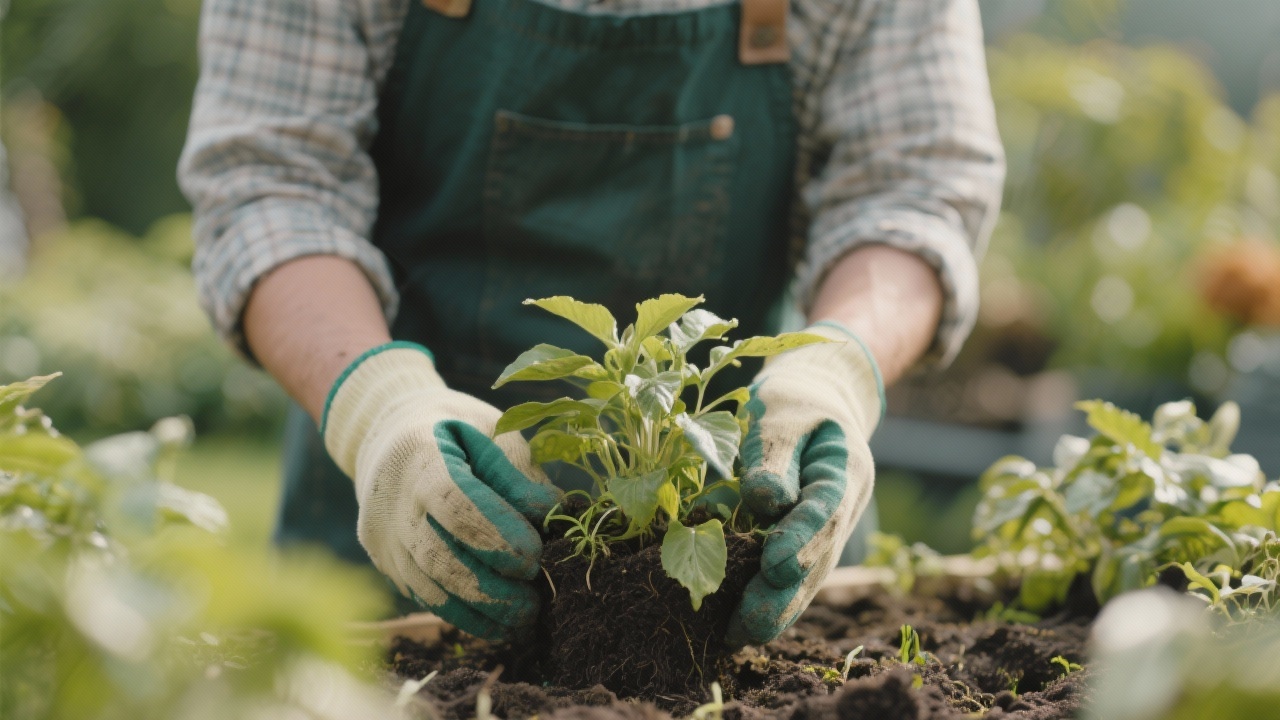
For planting your Green Zebra tomato seedling, dig a hole deeper than its container. A key technique for tomatoes is to bury the stem right up to the first set of true leaves. This promotes the growth of adventitious roots along the buried stem, creating a much stronger and more resilient root system. After placing the plant, backfill with soil and gently firm it down to eliminate any air pockets. Water generously at the base immediately after planting to settle the soil. For good air circulation and future development, maintain a final spacing of at least 60 cm between plants and 80 cm between rows. To complete the process, apply a thick layer of organic mulch, such as straw or wood chips, to conserve soil moisture and suppress weed growth. As this is an indeterminate variety, install a sturdy stake at the time of planting to provide support without disturbing the roots later on.
À retenir
- Temperature : 15–20°C
- Humidity : Humidité modérée
- Light : Plein soleil
- Transplanting : 3–4 feuilles
Conditions and Preparation for Planting 'Tomato Green Zebra'
For a robust start in your organic vegetable garden, successful planting of 'Tomato Green Zebra' seedlings is crucial. Transplant when all frost danger has passed, with evening air temperatures consistently above 10°C and soil temperature reaching at least 15°C. Prepare the planting site by thoroughly clearing weeds and deeply loosening the soil to 25-30 cm, encouraging strong root development. Incorporate a generous amount of mature compost or enriched organic soil for initial nutrients and thriving regrowth. Acclimatize young plants over 7-10 days by gradually exposing them to outdoor conditions, hardening them off and minimizing transplant shock. Just before transferring, gently hydrate the root ball by soaking it briefly in water, ensuring optimum moisture for immediate establishment.
Planting and Installing 'Tomato Green Zebra' Seedlings
Proper depth and spacing are paramount for healthy development and successful regrowth of 'Tomato Green Zebra'. Dig a hole deep enough to bury the stem up to the first set of true leaves; tomatoes develop new roots along the buried stem for a stronger system. Backfill with prepared soil, lightly compacting it around the base to remove air pockets and ensure good soil-to-root contact. Create a basin around each seedling and give a thorough watering immediately to settle the soil and provide essential hydration. Maintain a final spacing of 60-75 cm between plants and 90-120 cm between rows for optimal airflow and sunlight. To conserve moisture and suppress weeds, apply a generous layer of organic mulch post-planting, promoting an organic farming approach. Due to their indeterminate growth, provide an immediate sturdy support system or stake to guide vigorous upright growth from the beginning.
À retenir
- Depth: Bury stem up to first true leaves.
- Espacement: 60-75 cm between plants.
- Watering: Thoroughly water immediately post-planting.
- Mulching/ Protection: Generous organic mulch layer, 5-10 cm.
Managing Plant Growth and Vigor
For the indeterminate 'Green Zebra' tomato, consistent `irrigation` is paramount throughout its `plant maintenance` phase. Aim for deep, regular watering, especially during flowering and fruit set, to prevent `water stress` which can lead to fruit splitting or blossom end rot. Indicative volumes will vary with plant size and ambient temperature, but strive for evenly moist, not waterlogged, soil. Implement a `sustainable fertilization` strategy using readily available `organic inputs` like well-rotted compost or balanced organic granular feeds. A smart `splitting logic` for these nutrients involves applying them at key stages: flowering and then again as fruits begin to size. Regular `hoeing` around the base of the plants helps aerate the soil and control emerging weeds, complementing the benefits of a thick layer of `mulching` to retain soil moisture and suppress weed growth. Given its vining nature, early and consistent `staking` or trellising is crucial, combined with routine `pinching` of lateral suckers to direct energy towards fruit production and ensure good air `aeration` within the canopy.
Health Protection and Environmental Balance
Vigilant `health monitoring` is essential for maintaining a robust 'Green Zebra' crop. Regularly inspect plants for early warning signs of `plant diseases` like blight or powdery mildew, and be on the lookout for common `garden pests` such as aphids or tomato hornworms. Adopting principles of `integrated protection` means focusing on prevention and only intervening with `gentle solutions` when `intervention thresholds` are met. Manage `climatic conditions` by providing afternoon `shade` during intense heatwaves to prevent sunscald, and ensure adequate air circulation to mitigate humidity, thereby reducing fungal pressure. Protecting plants from strong `wind` can also prevent physical damage. Furthermore, practicing judicious `crop rotation` in your `vegetable garden maintenance` is a cornerstone of `ecological gardening`, effectively breaking pest and disease cycles. Consider beneficial `intercropping` to enhance biodiversity and naturally deter pests, fostering a balanced and resilient growing environment.
À retenir
- Type of soil : Light, well-drained, humus-rich soil, pH 6.0-6.8
- Care : Stake indeterminate vines, prune suckers regularly, feed every 2 weeks with compost
- Watering : Deep watering 1-2x/week at base, avoid overhead, consistent moisture
- Prevention : 5-8 cm organic mulch, copper spray, good airflow, 3-year crop rotation
Harvest Time and Conditions
Determining the ideal maturity for the Green Zebra tomato is a key skill, as its colour can be deceptive. The harvest is ready when the fruit's light green base deepens and is overlaid with distinct, golden-yellow to amber vertical stripes. A gentle press near the blossom end should reveal a slight softness, indicating ripeness. This stage is typically reached 75 to 80 days after transplanting into the vegetable garden. For optimal quality, picking should occur in the morning once any surface humidity from dew has dried, but before the day's heat sets in. This approach, central to good agricultural practices, ensures the fruit is firm and cool. As an indeterminate variety, it provides a staggered production, allowing for a frequent harvest every two to three days to encourage the plant and ensure a steady supply of fresh fruit and vegetables.
Methods, Handling, and Storage
Use sharp, clean cutting tools, such as pruning shears, to snip the fruit's stem, leaving the small calyx attached. This careful method prevents tearing the plant and reduces entry points for pathogens, aiding in preservation. Handle the picked tomatoes gently, placing them in a single layer in a shallow container to prevent bruising and mechanical damage. Immediately after picking, bringing the fruit to a shaded spot for a brief period of pre-cooling helps maintain its quality. For optimal storage, keep Green Zebra tomatoes at room temperature (around 18-21°C), away from direct sunlight. Refrigeration must be avoided as it irreversibly damages their unique texture and flavour profile. Under these conditions, with a moderate hygrometry, they will maintain their freshness for up to a week.
À retenir
- Period : 75-80 days post-transplant; continuous harvest.
- Stage : Golden-amber stripes, soft blossom end.
- Method : Snip stem with calyx attached, using sharp shears.
- Storage : Room temp (18-21°C), moderate humidity, 1 week.
Flavor Profile and Culinary Versatility of Green Zebra Tomatoes
The **Green Zebra tomato** presents a striking and flavorful contribution to any collection of **garden vegetables**, celebrated for its distinctive striped, firm, and exquisitely juicy fruit. Its unique **flavor profile** offers a vibrant blend of bright acidity, refreshing tang, and a subtle sweetness, making it an exceptional ingredient for diverse **home cooking** applications. This fruit excels when enjoyed **raw**, thinly sliced in vibrant salads, or artfully layered in sandwiches, where its crisp, firm *texture* truly shines. For more intricate **culinary preparation**, Green Zebras are superb when gently *sautéed* or briefly *roasted* (typically 5-10 minutes) to subtly intensify their natural sugars, lending themselves perfectly to warm bruschetta or as a colorful side dish. They form exquisite **flavor combinations** with fresh basil, creamy mozzarella, rich olive oil, and a delicate balsamic glaze, enhancing countless **vegetable recipes**.
Seasoning, Nutritional Aspects, and Storage for Optimal Freshness
To truly elevate the inherent **fresh flavor** of Green Zebra tomatoes, consider simple yet effective **seasoning tips**: a generous drizzle of high-quality extra virgin olive oil, a sprinkle of flaky sea salt, freshly ground black pepper, and perhaps a squeeze of lemon juice or a dash of aged balsamic vinegar. They also harmonise beautifully with fresh herbs such as oregano or thyme. Beyond their appealing taste, these tomatoes provide significant **nutritional value**, being a good source of vitamins C and A, along with beneficial dietary fiber and antioxidants. For optimal **storage** and to preserve their pristine *flavor* and *texture* in the short term, keep ripe Green Zebras at cool room temperature, away from direct sunlight; refrigeration can unfortunately dull their vibrant notes. For **long-term preservation**, they can be processed into bright sauces or piquant salsas for **canning**, or sliced and frozen for later incorporation into cooked dishes, ensuring their garden-fresh essence is accessible throughout the year.
À retenir
- Flavor Profile : Bright, tangy, subtly sweet; firm, juicy texture.
- Classic Uses : Raw in salads/sandwiches; gently sautéed or roasted.
- Pairings : Basil, mozzarella, olive oil, balsamic glaze, fresh herbs.
- Storage : Room temperature (short-term); canning or freezing (long-term).

Plants compagnons