Tomato Sweet Cream
Solanum lycopersicum
Incredibly sweet with a uniquely creamy texture.- Good source of vitamins A, C and gentle dietary fiber
- Easy on digestion, suitable for sensitive stomachs and mild reflux
- Low-acid profile reduces gastric irritation while providing essential nutrients

certifiées bio


Profil de la plante

Calendrier de culture



Conseils de culture
Conditions and Preparation for Planting
The ideal planting window for Tomato Sweet Cream opens once all risk of frost has definitively passed and the soil has warmed to a consistent temperature of at least 15°C. A successful establishment begins with proper soil preparation in your vegetable garden. Start by thoroughly weeding the designated plot, then loosen the earth to a good depth to encourage root growth. Incorporate a generous amount of mature compost or a quality organic soil amendment to create a fertile and well-draining environment. Before transplanting, it is essential to acclimatize your young plants. Gradually expose them to outdoor sun and wind over a period of 7 to 10 days to harden them off and prevent transplant shock. Ensure the root ball is moist by watering the seedling pot about an hour before you plan to move it into the ground.
Planting and Installing the Seedling
When you are ready to plant, dig a hole deep enough to allow you to bury the stem of the Tomato Sweet Cream seedling up to its first set of true leaves. This unique planting depth for tomatoes encourages the development of a robust adventitious root system along the buried stem, leading to a stronger plant. After placing the seedling in the hole, gently backfill with soil, lightly tamping it down to eliminate air pockets. Water generously at the base to settle the soil. For optimal development and air circulation, ensure a final spacing of 60 cm between plants and 80 cm between rows. Immediately apply a layer of organic mulch, such as straw or compost, around the plant to conserve moisture and limit weed competition. Install a sturdy stake or tomato cage at the time of planting to provide support without disturbing the roots later.
À retenir
- Temperature : 15–20°C
- Humidity : Humidité modérée
- Light : Plein soleil
- Transplanting : 3–4 feuilles
Preparing for Sweet Cream Tomato Planting
For robust **successful regrowth** of 'Sweet Cream' tomatoes, the ideal **planting** period is crucial, occurring only after all danger of frost has definitively passed. Ensure the **soil temperature** is consistently above **15°C** and ambient air temperatures remain above **10°C** at night, typically late spring to early summer. Prior to **vegetable gardening**, prepare the site by thoroughly weeding and loosening the soil to a depth of at least **30 cm**, then generously incorporating ample quantities of **mature compost** or well-rotted organic matter to enrich the substrate, a fundamental step in **organic farming** for nutrient availability. Acclimatize young plants for **7 to 10 days** by gradually exposing them to outdoor conditions, allowing them to harden off and minimize transplant shock. Before **planting**, briefly soak the root balls in water; for any plants that are pot-bound, gently tease or make a few vertical cuts on the outer roots to encourage outward growth.Planting and Establishing Sweet Cream Tomato Seedlings
When it's time for **planting**, dig a hole deep enough to bury the tomato stem up to the first set of true leaves; this encourages the formation of new roots along the buried stem, leading to a stronger foundation for **successful regrowth**. Gently place the seedling, then backfill with soil, lightly compacting around the base to eliminate air pockets. Create a small basin around each plant and **water thoroughly** to settle the soil and ensure excellent root-to-soil contact. For optimal development and air circulation, space 'Sweet Cream' tomato plants about **60-75 cm** apart within rows, with rows separated by **90-120 cm**. Immediately apply a **2-5 cm layer of organic mulch**, such as straw or shredded leaves, around the base of each plant to conserve soil moisture, regulate temperature, and suppress weed competition, aligning with best **organic farming** practices for **vegetable gardening**. As 'Sweet Cream' tomatoes are typically indeterminate, install sturdy stakes or cages at the time of **planting** to provide essential support for their vigorous growth.À retenir
- Depth: Bury stem up to first true leaves.
- Espacement: Plants 60-75 cm apart.
- Watering: Thoroughly after planting.
- Mulching/ Protection: 2-5 cm organic mulch; install stakes/cages.
Managing Plant Growth and Vigor for Tomato Sweet Cream
Consistent plant maintenance is key to the vigor of 'Tomato Sweet Cream'. Implement a precise watering regime, providing deep, regular irrigation (2-3 times weekly, ~2-3 liters/plant during peak growth) to prevent water stress and associated issues. For sustainable fertilization, apply well-rotted compost or organic granular fertilizer at planting, followed by liquid organic feeds rich in potassium and calcium during flowering and fruit set. This splitting logic ensures ongoing nutrient availability. Regular hoeing around the base aerates soil and suppresses weeds. A generous layer of mulching (e.g., straw) conserves moisture, regulates temperature, and further reduces weed pressure, contributing to overall vegetable garden maintenance. Given their growth, 'Tomato Sweet Cream' benefits significantly from staking or caging for support. Gentle pruning of non-productive lower leaves and strategic pinching of suckers directs energy towards fruit development, improving ripening and reducing disease risk.
Health Protection and Environmental Balance for Tomato Sweet Cream
Effective health monitoring is vital for 'Tomato Sweet Cream', following ecological gardening principles. Regularly inspect plants for early warning signs of plant diseases or garden pests. Prioritize prevention through proper spacing and good air circulation. For issues, employ gentle, integrated solutions like hand-picking pests or using organic sprays, adhering to intervention thresholds. Managing climatic conditions is also crucial: ensure adequate light, protect from strong winds, and manage humidity to deter fungal problems. Temporary shading helps prevent fruit sunburn in extreme heat. Furthermore, strategic crop rotation is a cornerstone of long-term soil health, preventing pathogen buildup. Combined with thoughtful intercropping, these practices foster a balanced garden ecosystem, naturally limiting health problems and promoting robust growth.
À retenir
- Type of soil : Well-drained, fertile, slightly acidic (pH 6.0-6.8)
- Care : Hoe, weed; stake/cage; prune leaves/suckers; fertilize flowering/fruiting.
- Watering : Deep, 2-3 times weekly, ~2-3L/plant peak growth.
- Prevention: Mulch (straw, 5-8cm), crop rotation, spacing, air, shade.
Harvest Time and Conditions
The harvest of Tomato Sweet Cream is determined by indicators of optimal maturity, which is crucial for flavour development in your vegetable garden. The right moment arrives approximately 65-75 days after planting, when the fruits transition from green to a uniform, rich creamy-ivory colour and feel firm with a slight give under gentle pressure. For the best quality, pick the fruits during dry weather, preferably in the morning after the dew has evaporated but before the day's heat sets in. This practice, central to good agricultural practices, ensures the fruits are cool and hydrated. Regular picking every two to three days is recommended to encourage the plant to continue producing, ensuring a consistent supply of these high-quality fresh fruit and vegetables.
Methods, Handling, and Storage
To avoid damaging the plant or fruit, use clean cutting tools such as pruning shears or a sharp knife to snip the fruit cluster, or carefully twist individual tomatoes from the vine. Gentle handling is essential to prevent bruising, which can lead to rapid oxidation and decay. Once picked, sort the fruits and wipe them with a dry cloth; avoid washing until just before use, as excess surface humidity can accelerate spoilage. For optimal preservation, immediate pre-cooling by moving the harvest to a shaded area is beneficial. The ideal storage environment is a cool, well-ventilated space with a temperature between 12-18°C (55-65°F), not a refrigerator, which degrades their texture and flavour. This method will maintain their freshness for up to a week.
À retenir
- Period : 65-75 days after planting.
- Stage : Creamy-ivory color, firm with slight give.
- Method : Snip with shears/knife or gently twist.
- Storage : Cool, ventilated, 12-18°C (55-65°F), 1 week.
Taste Profile and Culinary Uses of Tomato Sweet Cream
The Tomato Sweet Cream, a premium `garden vegetable`, offers an unparalleled culinary preparation experience focused on its exquisite fruit. This variety boasts a distinct flavor profile: intensely sweet with delicate creaminess and a refreshing juicy burst, making it a star for `home cooking`. Primarily for raw enjoyment, its vibrant `fresh flavor` shines in simple salads or as a bruschetta topping. For gentle cooking, quick sautéing enhances its natural sugars, while slow *roasting* concentrates its essence into a versatile base for `vegetable recipes`. Its inherent sweetness crafts superb `flavor combinations` with fresh basil, creamy mozzarella, or complements plant-based proteins beautifully. To retain its optimal texture and taste, minimal `cooking` time is always recommended.
Seasoning, Nutrition, and Storage of Tomato Sweet Cream
Elevating the **Tomato Sweet Cream** requires thoughtful seasoning: a drizzle of high-quality olive oil, a splash of white wine vinegar, and sea salt accentuate its natural sweetness. A whisper of freshly ground black pepper or aromatic herbs like thyme refines its contribution to `vegetable recipes`. Beyond its delightful taste, this tomato offers significant `nutritional value`, being a good source of vitamins, dietary fiber, and potent antioxidants such as lycopene, supporting wellness through `fresh produce`. For optimal storage, keep ripe fruits at room temperature for short-term consumption, preserving their texture and `fresh flavor`. For long-term options, `canning` as a vibrant sauce, careful `freezing` of purees, or `drying` into intensely flavored halves provide year-round access. *Lacto-fermentation* is also an intriguing method to explore its unique tangy dimension.
À retenir
- Flavor Profile : Intensely sweet, creamy, juicy burst.
- Classic Uses : Raw (salads, bruschetta), light sautéing, slow roasting.
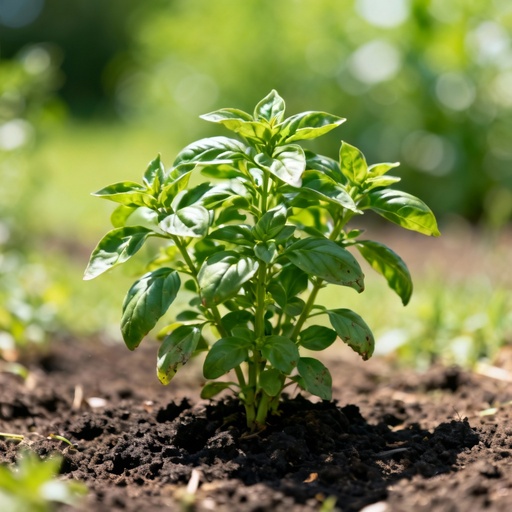
- Pairings : Basil, mozzarella, olive oil, sea salt, thyme.
- Storage : Room temp (short-term), freeze puree, dry halves.

Plants compagnons