Orange Ramiro Pepper
Capsicum annuum
Enjoy an exceptionally sweet and vibrant flavor.- Exceptional source of vitamin C, providing over 200% daily value, plus vitamin A and antioxidants
- Supports healthy vision, glowing skin, and boosts natural immune system defenses effectively
- Anti-inflammatory properties help reduce chronic disease risk and protect against cellular damage

certifiées bio

Profil de la plante

Calendrier de culture
Conseils de culture
Sowing Method and Ideal Growing Conditions
The Poivron Ramiro Orange is best sown indoors or under cover to ensure optimal germination and strong seedling development before transplanting to the vegetable garden or open field. Prepare a light, well-draining substrate composed of a mixture of peat moss, coconut fiber, and perlite, which provides excellent aeration while retaining adequate moisture for seed emergence. Sow the seeds at a soil temperature of 20–25°C (ideally 24°C for fastest germination), maintaining consistent warmth using a heated propagation mat if necessary. Plant seeds at a depth of approximately 5–8 mm, roughly twice the size of the seed itself, pressing gently into the moist substrate without burying them too deeply. Water carefully using a fine spray misting or gentle watering can to keep the substrate consistently moist but never waterlogged, as excess humidity can encourage fungal issues. Ensure the sowing tray is placed in a warm, sheltered location within your greenhouse cultivation setup, ideally with ambient air temperatures between 22–28°C for optimal results.
Germination Timeline and Seedling Care
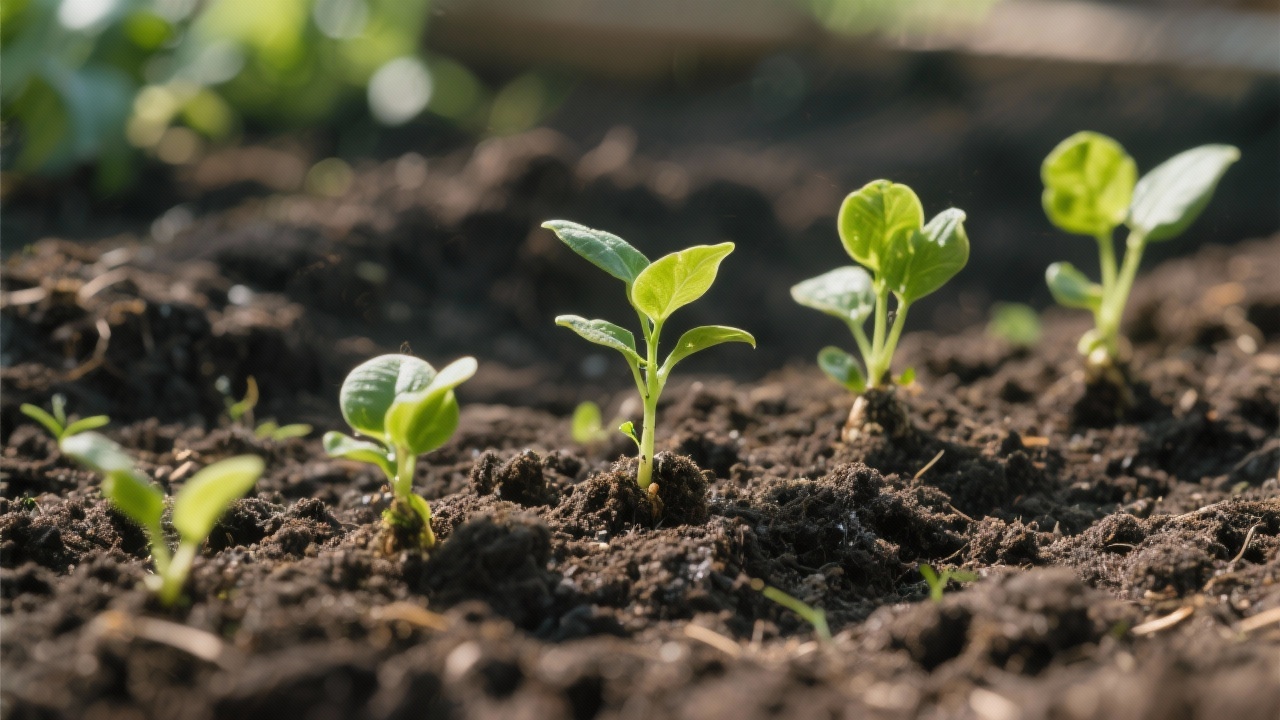
Seed emergence typically occurs within 7–14 days under ideal conditions, though germination may extend to 21 days in cooler environments. Once seedlings appear, maintain consistent soil moisture and provide bright, indirect light to prevent weak, leggy growth. Keep the greenhouse or indoor growing area well-ventilated to reduce humidity and strengthen stems. Seedlings are ready for transplanting to larger pots after 4–6 weeks, once they develop their first true leaves and establish a stronger root system. Throughout this sowing phase, monitor closely for any signs of damping-off disease by ensuring proper air circulation and avoiding overwatering. This careful attention during the early vegetable garden preparation stage ensures vigorous plants that will thrive when transplanted to open field conditions or larger containers, ultimately producing the distinctive orange bell peppers for which this variety is prized by organic farming enthusiasts.
À retenir
- Temperature : 18-24°C, protect from cold drafts
- Humidity : Moderate (50-60%), consistent moisture
- Light : Bright indirect light, 12-14 hours daily
- Transplanting : 4-6 true leaves, 3-4 weeks old
Conditions and Preparation for Planting Orange Ramiro Pepper Seedlings
The ideal planting period for Orange Ramiro pepper seedlings falls between late spring and early summer, when soil temperatures consistently reach 18–20 °C and air temperatures stabilize above 15 °C, ensuring frost risk has completely passed. Begin by preparing your vegetable garden bed through thorough weeding and soil loosening to a depth of 25–30 cm, incorporating mature compost or enriched organic matter to improve soil structure and nutrient availability. Young pepper plants require a hardening-off period of 7–10 days before planting, during which seedlings are gradually exposed to outdoor conditions to strengthen their tissues and reduce transplant shock. Shortly before installation in the garden, gently soak the root system in lukewarm water for 15–20 minutes to rehydrate the substrate and facilitate root establishment. If roots appear tangled or densely bound, carefully prune the root tips with clean scissors to stimulate new root development and improve contact with the soil in your planting bed.
Planting Technique and Installation of Orange Ramiro Pepper Seedlings
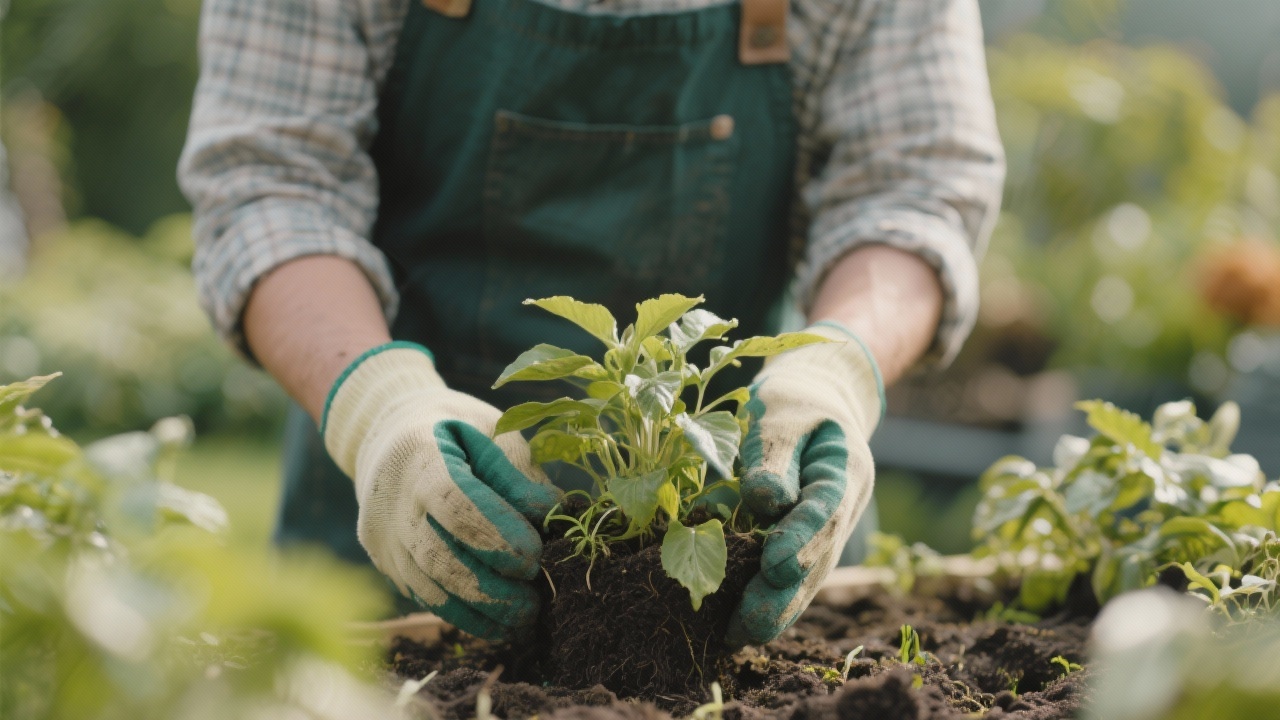
Plant seedlings at a depth equal to the soil level on the nursery pot, ensuring the collar (the junction between stem and roots) remains at soil surface to prevent stem rot and disease. After positioning each plant, gently compact the surrounding soil and immediately apply a thorough basin watering to eliminate air pockets and establish direct contact between roots and soil. Space seedlings 45–50 cm apart along rows positioned 60–70 cm apart to allow adequate air circulation and light penetration throughout the vegetable garden. Cover the soil surface with 5–7 cm of organic mulch (straw, wood chips, or compost) to conserve soil moisture, moderate temperature fluctuations, and suppress competitive weed growth. In exposed or windy locations, install discreet stakes or supports to protect young plants from wind damage during their establishment phase.
À retenir
- Depth : 1-2 cm deep in seed trays or garden beds
- Espacement : 45-60 cm between plants, rows 60-75 cm apart
- Watering : Water thoroughly after planting, keep soil consistently moist
- Mulching/ Protection / Protection : Apply 5-8 cm organic mulch to retain moisture, prevent weeds
Managing Plant Growth and Vigor
Orange Ramiro peppers thrive with consistent irrigation management, requiring deep watering every 2 to 3 days during warm periods to maintain soil moisture between 60–70% capacity while preventing waterlogging. Apply approximately 25–30 mm of water per week, adjusting based on rainfall and soil drainage; drip irrigation or soaker hoses minimize water stress and reduce foliar diseases. Implement sustainable fertilization by incorporating well-decomposed compost or aged manure at the base during early growth, then apply balanced organic amendments (fish emulsion or seaweed extracts) every 3 weeks to support continuous flowering and fruiting. Regular hoeing and gentle weeding keep the root zone competition-free while improving soil aeration; apply a 5–8 cm organic mulch layer (straw or wood chips) to regulate temperature, conserve moisture, and suppress unwanted vegetation. As plants mature, selective pruning of lower leaves enhances air circulation and directs energy toward upper fruiting branches, while light staking or soft ties prevent fruit-laden stems from breaking under their own weight.
Health Protection and Environmental Balance
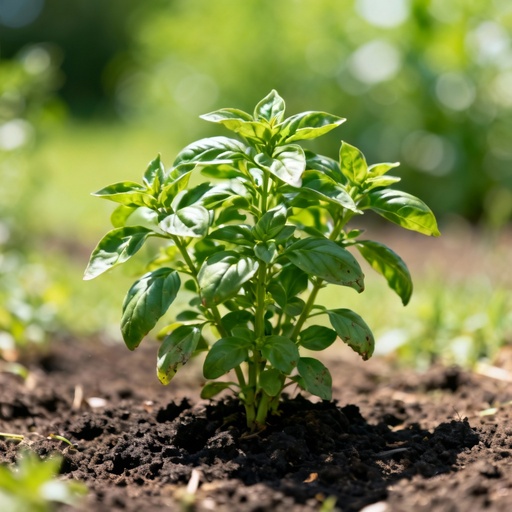
Monitor your Orange Ramiro peppers regularly for early signs of plant diseases such as powdery mildew, anthracnose, or bacterial spots, and watch for common pests including spider mites and aphids—catching these issues at initial stages allows gentler intervention. Adopt integrated pest management principles by encouraging beneficial insects, improving air flow through pruning, and applying organic solutions (neem oil or sulfur dust) only when pest populations exceed action thresholds. Maintain optimal climatic conditions by ensuring 6–8 hours of direct sunlight daily and protecting plants from strong winds that stress foliage and flowers; moderate afternoon shade in extremely hot regions (above 35°C) prevents fruit scalding. Implement thoughtful crop rotation—avoid replanting peppers in the same bed for at least 3 years—and practice beneficial intercropping with aromatic herbs like basil to naturally repel certain pests while enriching the vegetable garden ecosystem and promoting long-term soil health.
À retenir
- Typ of soil : Well-draining loamy soil, pH 6.0-6.8, rich in organic matter
- Care : Monthly fertilization with balanced organic fertilizer, light weeding, stake plants
- Watering : Consistent moisture, 2-3 times weekly, 2.5-4 cm deep watering
- Prevention: Mulch 5-8 cm, crop rotation, remove diseased plants, neem oil spray
Harvest Time and Optimal Conditions for Orange Ramiro Pepper
The Orange Ramiro pepper reaches optimal maturity approximately 70 to 80 days after flowering, when the fruit displays a vibrant, uniform orange coloration and achieves its characteristic elongated shape. At this stage, the pepper develops its peak sweetness and nutritional density, making it ideal for fresh fruit and vegetable markets. The skin should feel firm yet slightly yielding to gentle pressure, indicating full ripeness without overmaturation. For superior quality harvests in the vegetable garden, select the early morning hours when ambient temperatures remain cool and the fruit retains maximum humidity and crispness. Avoid harvesting during peak heat or following rainfall, as excess moisture promotes fungal development and compromises shelf life. Depending on growing conditions, each plant typically yields 8 to 12 mature peppers per season, with successive harvests continuing throughout the productive cycle as new flowers develop.
Harvesting Methods, Handling, and Storage Protocol
Employ sharp pruning shears or a clean horticultural knife to sever the pepper stem cleanly, leaving a short stub on the plant to prevent tissue damage. Always handle fruits with care, placing them gently into shallow containers to minimize bruising and oxidation. Following harvest, sort peppers immediately, removing any with blemishes, and rinse them under cool water with food-grade sanitizer for optimal hygiene in alignment with good agricultural practices and organic farming standards. Allow produce to air-dry thoroughly before storage. Store Orange Ramiro peppers at 10–12°C with relative humidity between 90–95% to maintain crispness and prevent moisture loss. Under these conditions, peppers remain fresh for 2 to 3 weeks. For direct-to-consumer distribution, maintain cool-chain logistics during transport to preserve the fruit's quality and extend shelf appeal in retail environments.
À retenir
- Period : 70-90 days after transplanting, mid-summer to early fall
- Stage : 15-20 cm long, glossy orange-red, firm to touch
- Method : Sharp pruning shears, cut stem cleanly above fruit
- Storage : Refrigerate 8-10°C, 70-80% humidity, use within 5-7 days
Flavor Profile and Culinary Preparation
The Orange Ramiro pepper, with its elongated, tapered fruit, offers a distinctly sweet and fruity flavor that intensifies when fully ripened to its vibrant orange hue. The edible flesh is thin-walled and tender, providing a delicate, almost melting texture that differs pleasantly from blocky bell pepper varieties. This garden vegetable shines when roasted whole over an open flame or in a hot oven—a method that takes approximately 15–20 minutes and coaxes out its natural sugars while charring the skin. The peppers are equally magnificent raw in fresh salads, where their crisp bite and sweet notes complement acidic vinaigrettes beautifully. Sautéing thin strips in olive oil for 5–8 minutes preserves their subtle texture, making them ideal for Mediterranean vegetable medleys, stir-fries, or as a foundation for gazpacho. Their natural sweetness pairs harmoniously with garlic, basil, oregano, cumin, and smoked paprika, while their tender flesh absorbs flavors readily in braised preparations.
Seasoning, Nutrition, and Storage
Season Orange Ramiro peppers generously with extra virgin olive oil, fresh lemon juice, and fleur de sel to enhance their inherent sweetness. These peppers deliver substantial vitamin C, provitamin A (beta-carotene), and dietary fiber, alongside beneficial antioxidants that support overall wellness. For short-term storage, keep whole peppers in the refrigerator's vegetable drawer for up to two weeks. Long-term preservation options include freezing roasted and peeled peppers in olive oil, canning them as conserves or in vinegar-based preparations, or slow-drying them for concentrated umami flavor. Lacto-fermented Orange Ramiro peppers develop a complex, tangy character that enriches grain bowls and adds depth to cooked dishes. These peppers contain no notable heat or irritating compounds, making them ideal for all palates and cooking techniques.
À retenir
- Flavor Profile : Sweet, fruity, slightly tangy; thick crunchy flesh with no heat
- Classic Uses : Roasted, grilled, raw crudités, stuffed, stir-fried, sauces
- Pairings : Olive oil, feta, oregano, garlic, chilli flakes, hummus
- Storage : Refrigerate 1-2 weeks, roast and freeze for long storage
Plants compagnons