Red Ramiro Pepper
Capsicum annuum
Experience exceptional sweetness, perfect for grilling and snacking.- Exceptionally high in vitamin C, containing up to three times more than oranges, plus vitamin A and antioxidants
- Supports eye health and vision through lutein and zeaxanthin carotenoids, improves skin radiance and collagen production
- Anti-inflammatory properties help reduce chronic disease risk, protects against cellular damage and oxidative stress

certifiées bio
Profil de la plante

Calendrier de culture
Conseils de culture
Sowing Conditions and Method for Ramiro Red Pepper
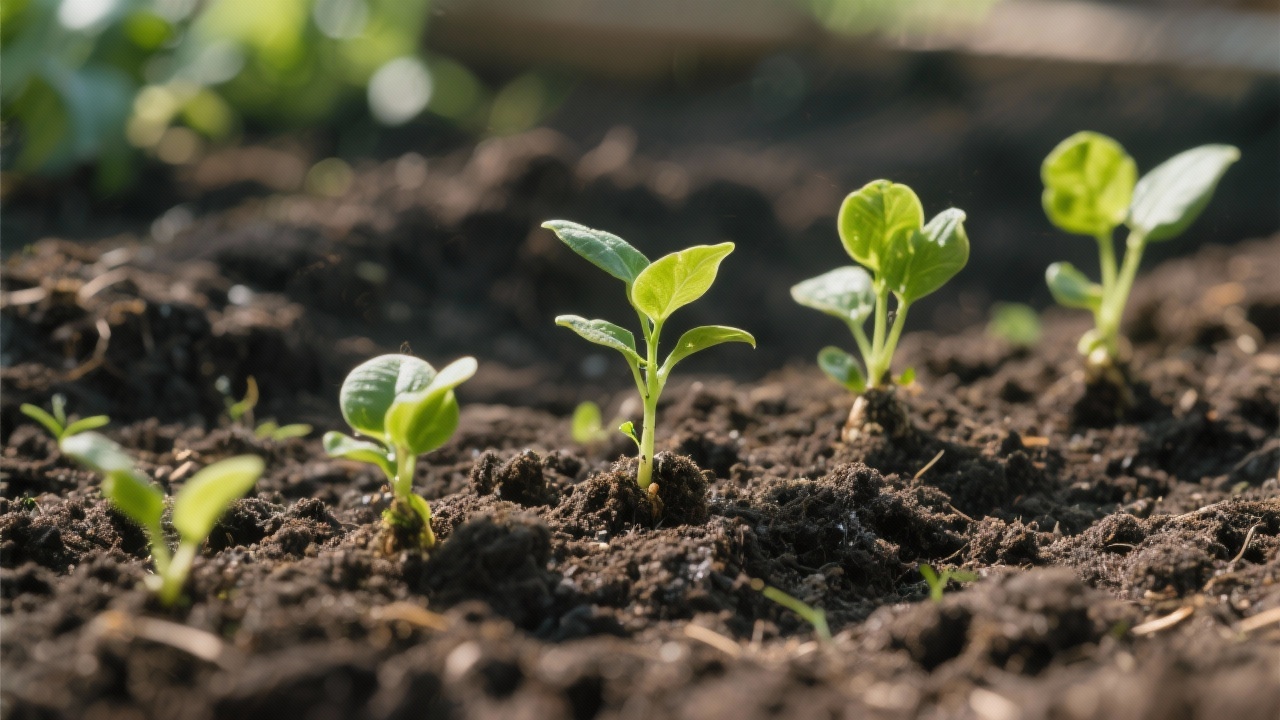
The Ramiro Rouge pepper (Capsicum annuum) is best sown indoors or under cover, typically 8 to 10 weeks before the final transplanting to the vegetable garden. This sowing method ensures optimal control of growing conditions and produces robust seedlings ready for open field cultivation. Prepare a light, well-draining substrate composed of peat moss, coconut coir, or quality seed compost mixed with perlite to promote aeration and prevent waterlogging. The ideal soil temperature for successful germination ranges between 22 and 28°C, making a heated propagation mat or greenhouse essential for faster emergence. Sow seeds approximately 0.5 centimetres deep—about twice the diameter of the seed itself—in individual cells or seed trays. Water gently using a fine mist or spray bottle to maintain consistent humidity without creating soggy conditions, which could lead to fungal issues common in organic farming practices. Pepper seeds respond well to warmth and light, so ensure your sowing area receives bright, indirect illumination once the first seedlings emerge.
Germination Timeline and Care Until Transplanting
Emergence typically occurs within 7 to 14 days when temperatures are maintained in the optimal range. During this critical phase, monitor humidity levels carefully and provide adequate ventilation to strengthen the young seedlings and prevent damping-off disease. Continue maintaining consistent warmth and gradually introduce light exposure as soon as cotyledons appear. By the time seedlings develop their first true leaves (around 4 to 6 weeks after sowing), begin a gentle hardening-off process to acclimate them to cooler outdoor conditions before transplanting. Regular gentle watering and well-balanced feeding will support healthy growth throughout this greenhouse cultivation phase, preparing your Ramiro Rouge pepper plants for successful establishment in your vegetable garden.
À retenir
- Temperature : 18-25°C daytime, 15-20°C night
- Humidity : Moderate 50-70%, avoid wet/dry extremes
- Light : Bright indirect light, 12-14 hours daily
- Transplanting : 4-6 true leaves, 6-8 weeks old
Conditions and Preparation for Planting Red Ramiro Pepper Seedlings
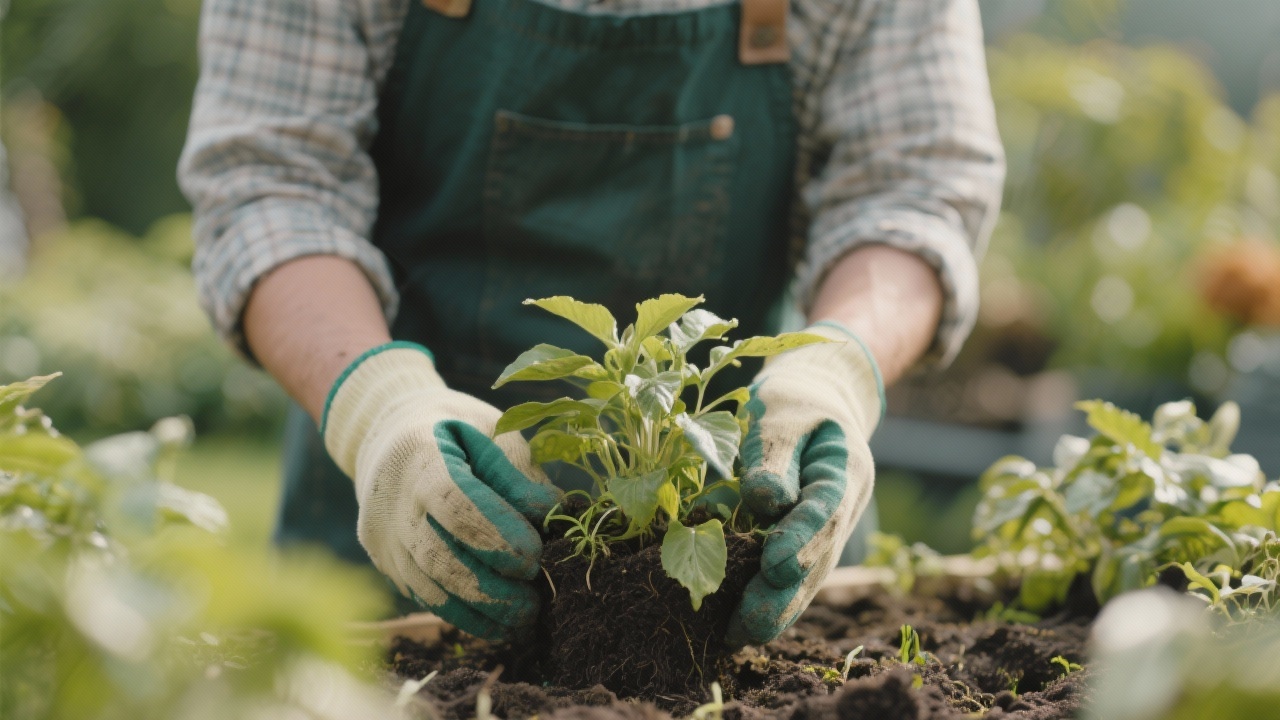
Red Ramiro pepper seedlings should be planted outdoors once soil temperature reaches 18–20 °C and air temperatures remain consistently above 15 °C, with all risk of frost eliminated from your growing region. Before planting, prepare your vegetable garden bed by removing weeds thoroughly and loosening the soil to a depth of 25–30 cm using a garden fork or cultivator. Incorporate 2–3 cm of mature compost or enriched, well-draining soil into the top layer to enhance nutrient availability and water retention for successful plant establishment. Young Red Ramiro seedlings require acclimatization over 7–10 days by gradually exposing them to outdoor light and temperature conditions, reducing transplant shock and promoting vigorous regrowth. Before planting, gently prune any damaged or circling roots and soak the root ball in water for 15–20 minutes to fully hydrate the substrate and encourage rapid soil contact after planting in your vegetable bed.
Planting and Installation of Red Ramiro Pepper Seedlings
Plant Red Ramiro seedlings at the same depth as their original pot, ensuring the collar (junction between stem and roots) sits just above soil level to prevent rot and promote healthy organic growth. Gently firm the soil around the seedling base and water thoroughly in a basin to eliminate air pockets and establish root-to-soil contact. Space plants 40–50 cm apart within rows and maintain 60–70 cm between rows to ensure adequate air circulation and light penetration throughout your vegetable garden. Immediately apply 5–7 cm of organic mulch (straw or wood chips) around each plant to suppress weed competition, regulate soil moisture, and stabilize soil temperature during the critical establishment phase. Install a sturdy stake or support cage at planting time to stabilize young plants against wind damage and prepare for the weight of future fruit production.
À retenir
- Depth : 1-2 cm deep, plant seeds in starter trays
- Espacement : 45-60 cm between plants, 60-75 cm rows
- Watering : Water thoroughly after planting, keep soil consistently moist
- Mulching/ Protection / Protection : Use light organic mulch, 5-7 cm thick to retain moisture
Managing Plant Growth and Vigor
Red Ramiro pepper plants thrive with consistent irrigation, requiring deep watering every 2–3 days during active growth, with soil moisture maintained at 60–70% capacity to prevent both water stress and root rot. Apply organic fertilization in three strategic phases: at flowering onset with balanced compost, then potassium-rich inputs during fruit set to enhance flavor development and wall thickness. Regular hoeing around the base—performed every 10–14 days—aerates the soil and suppresses competing weeds without chemical intervention. Mulching with organic materials such as straw or wood chips conserves soil moisture, regulates temperature fluctuations, and gradually enriches the growing medium as decomposition occurs. Ramiro peppers benefit from light pruning of lower lateral shoots to improve air circulation and redirect energy toward fruit production; avoid excessive leaf removal, which exposes fruits to sunscald in intense climates.
Health Protection and Environmental Balance
Disease monitoring should focus on early detection of common pepper pathogens—powdery mildew, anthracnose, and bacterial spot—by inspecting leaf undersides and stem junctions weekly. Integrated pest management prioritizes prevention through cultural practices: adequate spacing ensures ventilation, reducing fungal pressure; sulfur dust and copper-based solutions address infestations at low intervention thresholds before populations explode. Maintaining optimal humidity levels (50–70%) and avoiding overhead irrigation prevents leaf wetness that favors disease development. Strategic crop rotation with non-solanaceous crops breaks pest cycles, while intercropping with basil or marigolds introduces beneficial insects and natural predators. Provide afternoon shade in extremely hot climates (above 32°C) to prevent blossom drop and maintain fruit quality throughout the season.
À retenir
- Typ of soil : Sandy loam, well-draining, pH 6.0-6.8, rich organic matter
- Care : Light cultivation, remove weeds, monthly balanced fertilizer, support stakes
- Watering : Deep watering 2-3 times weekly, consistent moisture, avoid waterlogging
- Prevention: Mulch 5-8 cm, row covers, crop rotation, remove diseased plants early
Harvest Time and Conditions for Red Ramiro Pepper
The red Ramiro pepper reaches optimal maturity approximately 70 to 80 days after flowering, when the fruit develops its characteristic deep red coloration and achieves full size, typically 15 to 20 centimeters in length. This stage marks the ideal moment for harvesting in your vegetable garden, as the pepper skin becomes glossy and firm to the touch. Begin picking in the early morning, when humidity levels are highest and temperatures remain cool—ideally between 10 and 15°C—to minimize stress on the plant and preserve the fruit's cellular integrity. Avoid harvesting during peak afternoon heat or immediately after rain, as excessive moisture compromises storage longevity. Under optimal growing conditions, a mature plant yields 8 to 12 fresh fruit and vegetables per season, with successive pickings every 3 to 5 days encouraging continued production. Regular harvesting of ripe peppers extends the productive cycle and maintains plant vigor, a cornerstone of good agricultural practices and organic farming systems alike.
Harvesting Methods and Storage Principles
Use sharp cutting tools—pruning shears or a clean horticultural knife—to sever the fruit stem cleanly, leaving a short stub to prevent branch damage. Handle harvested peppers gently, placing them immediately in shallow, ventilated containers to avoid bruising and oxidation. After picking, sort the fruits carefully, removing any with blemishes or soft spots, and rinse gently under cool water before pre-cooling to 10–12°C within two hours of harvest. Store red Ramiro peppers in a cool environment maintaining 8–10°C with relative humidity between 85 and 90 percent, conditions that preserve quality for 2 to 3 weeks. For short-distance transport to market or home use, pack peppers in breathable crates with adequate air circulation, minimizing ethylene exposure. These storage and handling practices, consistent with good agricultural practices, ensure your fresh fruit and vegetables maintain peak flavor, texture, and nutritional value from field to table.
À retenir
- Period : 70-90 days after transplant, mid-summer to early autumn
- Stage : Glossy bright red, 15-20 cm long, firm and plump
- Method : Sharp pruners, cut stem cleanly 1-2 cm above fruit
- Storage : Refrigerate 8-10°C, 70-80% humidity, use within 5-7 days
Flavor Profile and Culinary Versatility
The Red Ramiro pepper, with its elongated, tapering fruit, delivers a sweet, fruity flavor with subtle floral notes and exceptionally thin, tender flesh that becomes melt-in-the-mouth when cooked. This garden vegetable shines both raw and prepared—sliced fresh in salads for a crisp, juicy crunch, or gently roasted whole in a moderate oven until the skin blisters and the flesh softens to silken perfection. The peppers also excel when sautéed quickly in a hot pan with garlic and quality olive oil, their natural sugars caramelizing beautifully. Grilling or charring over direct heat intensifies their sweetness and imparts a delicate smokiness, making them ideal for Mediterranean and Spanish-inspired dishes. These peppers pair harmoniously with anchovies, capers, fresh basil, oregano, cumin, and smoked paprika, while their mild heat suits delicate preparations alongside goat cheese, almonds, or ripe tomatoes from the garden.
Seasoning, Nutrition, and Storage
Season Red Ramiro peppers simply with extra-virgin olive oil, aged vinegar, or fresh lemon juice—their natural sweetness requires minimal intervention. Nutritionally, these garden vegetables offer abundant vitamin C, antioxidants, and fiber, along with valuable carotenoids that support eye health. Store fresh peppers in the refrigerator for up to two weeks, or freeze roasted peppers in olive oil for extended use. Drying concentrates their fruity flavor beautifully, while lacto-fermentation creates a probiotic-rich condiment with complex, tangy notes. These peppers are mild and sweet, requiring no special precautions for raw consumption, making them ideal for fresh vegetable recipes and home cooking.
À retenir
- Flavor Profile : Sweet, fruity, rich flavor; thick juicy flesh with no heat
- Classic Uses : Roasted, grilled, stuffed, raw in salads, sauces, marinated antipasti
- Pairings : Olive oil, garlic, goat cheese, anchovies, balsamic, basil
- Storage : Refrigerate 1-2 weeks, roasted peppers freeze well in oil
Plants compagnons