Eggplant Violetta Lunga
Solanum melongena
A bountiful producer of elegant, deep purple fruits.- Rich in anthocyanins, fiber, and nasunin antioxidant from its deep purple skin
- Supports heart health by reducing cholesterol levels and improving blood vessel function
- Contains chlorogenic acid that helps prevent cellular damage and supports brain health

certifiées bio

Pays-Bas


Profil de la plante

Calendrier de culture


Conseils de culture
Sowing Method and Environmental Conditions for Aubergine Violetta Lunga
Aubergine Violetta Lunga seeds should be sown indoors or under cover during late winter to early spring, typically 6 to 8 weeks before your planned transplanting date. This vegetable gardening approach ensures sturdy seedlings ready for the garden. Use a high-quality sowing substrate composed of peat moss, coconut coir, and perlite in equal parts, which provides excellent drainage while retaining adequate moisture for seed emergence. The soil temperature should remain consistently between 24°C and 28°C for optimal germination, making a heated propagation mat invaluable in cooler climates. Sow seeds at a depth of approximately 6 to 8 millimeters—roughly equivalent to twice the seed's diameter—and maintain gentle humidity levels using a spray bottle rather than direct watering. Position your seedlings in a warm location with bright indirect light, as aubergine seeds respond positively to light exposure during germination.
Germination Timeline and Care Until Transplanting
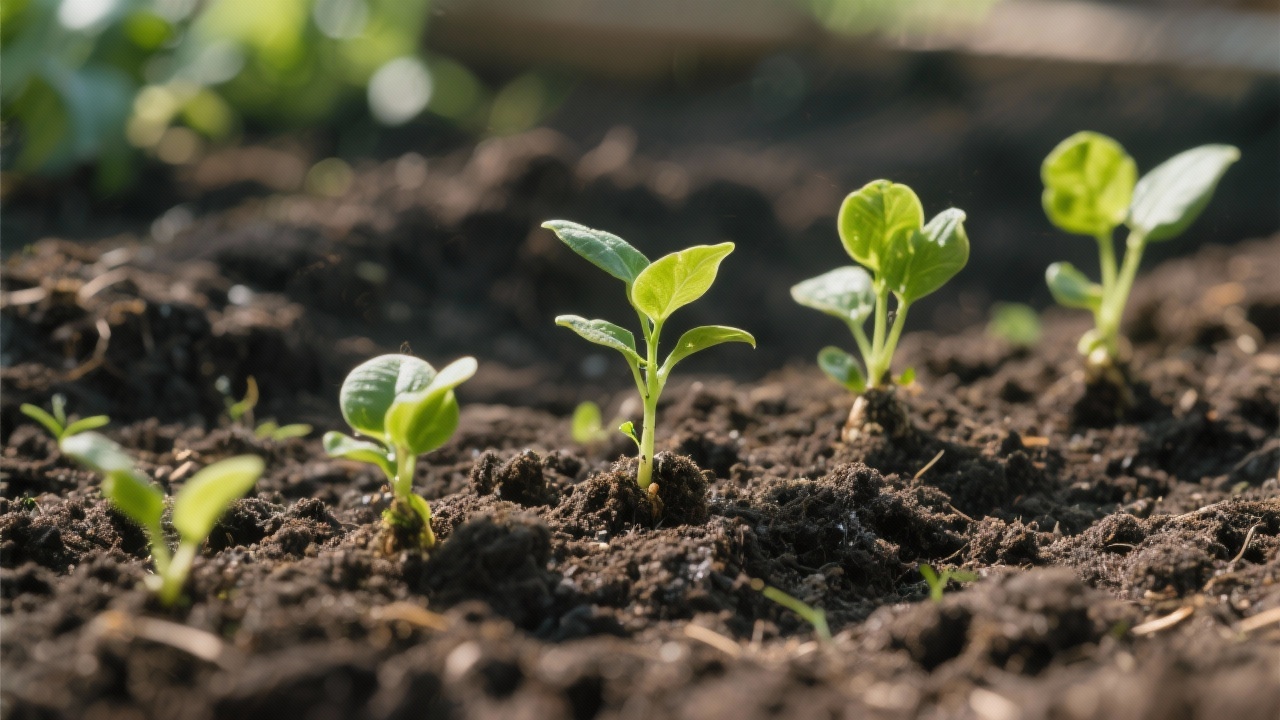
Expect seed emergence within 7 to 14 days under ideal conditions, though patience is essential as germination can occasionally extend to 21 days. During this critical period, keep your substrate consistently moist but never waterlogged—this balance is fundamental for preventing damping-off disease in your greenhouse cultivation setup. Once the first true leaves appear, ensure seedlings receive 14 to 16 hours of quality light daily and maintain temperatures between 20°C and 24°C. Thin seedlings if they emerge too densely, keeping only the strongest specimens. This organic farming-friendly approach requires no chemical interventions at this stage. Continue monitoring for adequate humidity and gradually acclimate your seedlings to cooler conditions about two weeks before transplanting into larger containers or directly to your vegetable garden, ensuring robust plants ready for open field cultivation.
À retenir
- Temperature : 18-24°C daytime, 15-18°C nighttime
- Humidity : Moderate, 50-60% relative humidity preferred
- Light : Bright indirect light, 12-14 hours daily
- Transplanting : 4-6 true leaves, 8-10 cm tall
Conditions and Preparation for Planting Eggplant Violetta Lunga
Eggplant Violetta Lunga thrives when planted during the warm season, ideally between late spring and early summer when soil temperature reaches 18–20°C and air temperature consistently exceeds 15°C, with all frost risk eliminated. Before transplanting seedlings into the vegetable garden, prepare the planting bed by thoroughly weeding and loosening the soil to a depth of 25–30 cm, then incorporate mature compost or enriched organic matter to improve soil structure and nutrient content. Young eggplant plants require acclimatization to outdoor conditions over 7–10 days, gradually exposing them to direct sunlight and ambient temperature fluctuations to strengthen stems and reduce transplant shock. Before planting, gently soak the root ball in water for 15–20 minutes and carefully prune any damaged or excessively long roots with clean shears, stimulating fresh root development and promoting successful vegetable production establishment in the garden.
Planting and Installing Eggplant Violetta Lunga Seedlings
Plant seedlings so that the soil collar sits at ground level, avoiding burial of the stem, which risks damping-off and stem rot in organic farming systems. After positioning each plant, gently compact the surrounding soil by hand and immediately water thoroughly in a basin method to eliminate air pockets and ensure root-to-soil contact. Space plants 50–60 cm apart between rows and 40–50 cm within rows, allowing adequate air circulation and light penetration across the vegetable canopy. Once planted and watered, apply a 5–7 cm layer of organic mulch—such as straw or wood chips—to regulate soil moisture, suppress competing weeds, and maintain stable soil temperature. In exposed locations, install sturdy stakes or supports near each seedling to stabilize young eggplant plants against wind damage during their critical establishment phase.
À retenir
- Depth : 1.5-2.5 cm deep in well-prepared seed trays
- Espacement : 45-60 cm between plants, 60-75 cm rows
- Watering : Water thoroughly after planting, keep soil consistently moist
- Mulching/ Protection / Protection : Organic mulch 5-7 cm thick, protect from cold
Managing plant growth and vigor
Eggplant Violetta Lunga thrives with consistent and moderate irrigation, requiring deep watering every 2–3 days during the growing season, adjusted according to soil moisture and climate conditions to prevent both water stress and root rot. Apply approximately 25–40 mm per week, preferring drip irrigation or soaker hoses to maintain steady soil hydration while minimizing foliar wetness. Organic fertilization should follow a split schedule: begin with well-decomposed compost or aged manure at the start of the growing season, then apply balanced organic inputs (such as seaweed extract or fish emulsion) every 3–4 weeks to sustain flowering and fruit development. Regular hoeing and weeding around plants every 10–15 days promotes soil aeration and reduces competition for nutrients; mulching with straw or wood chips (5–8 cm layer) conserves moisture, regulates soil temperature, and suppresses weeds. As plants mature, gentle staking or support structures prevent fruit-laden branches from breaking, while light pruning of lower leaves improves air circulation and simplifies future maintenance operations.
Health protection and environmental balance
Monitor plants regularly for early signs of common diseases such as Verticillium wilt and anthracnose, and watch for pests including spider mites and flea beetles, intervening promptly when populations reach manageable thresholds. Implement integrated pest management by encouraging natural predators, applying sulfur or neem-based solutions only when necessary, and ensuring adequate air circulation through careful pruning and spacing. Maintain optimal environmental conditions—ideally 25–30°C during the day with moderate humidity—and provide partial shade during extreme heat to reduce plant stress. Practice crop rotation by avoiding eggplant cultivation in the same soil for at least 3 years, and consider intercropping with aromatic herbs or nitrogen-fixing legumes to enhance soil health, suppress pests naturally, and create a balanced vegetable garden ecosystem that minimizes disease pressure while sustaining long-term soil fertility.
À retenir
- Typ of soil : Sandy loam, well-draining, pH 6.0-6.8, rich organic matter
- Care : Monthly light fertilization, weekly weeding, add compost around base
- Watering : Deep watering 2-3 times weekly, consistent moisture 2.5-5 cm soil depth
- Prevention: Straw mulch 5-8 cm, row covers against pests, crop rotation yearly
Harvest Time and Optimal Picking Conditions
The Eggplant Violetta Lunga reaches harvest maturity approximately 70 to 80 days after transplanting, when fruits display their characteristic deep violet coloration and achieve a length of 20 to 25 centimeters. Recognizing the correct ripeness stage is essential: the skin should appear glossy and firm to gentle pressure, while the flesh remains tender. Harvest your fresh vegetables in the early morning hours, when ambient temperature is cooler and plants maintain optimal turgor pressure, ensuring superior quality and reduced stress on the vegetable garden. Avoid picking during peak heat or following rain, as excessive moisture compromises handling and storage longevity. For optimal yields and continuous production, implement frequent harvesting every two to three days once fruiting begins—regular cutting encourages further flowering and extends the productive season significantly. This practice, rooted in good agricultural practices and organic farming principles, maintains plant vigor while ensuring consumers receive peak-condition produce.
Harvesting Methods, Handling, and Storage Protocols
Employ sharp pruning shears or a clean knife to sever each fruit with a short stem segment, preventing damage to the delicate skin and minimizing oxidation. Handle harvested eggplants with care, avoiding stacking pressure that causes bruising. Implement immediate sorting by size and quality, removing any visibly damaged specimens. Place fruits in ventilated containers rather than sealed bags to preserve freshness and prevent condensation accumulation. Storage temperature should remain between 10 and 13°C with relative humidity maintained at 90 to 95 percent for optimal preservation. Under these conditions, eggplants retain quality for 7 to 10 days. For short-distance transport to local markets or retailers, maintain cool-chain integrity and minimize transit duration. Keep harvested vegetables separated from ethylene-producing fruits to prevent premature ripening or quality degradation, safeguarding both product appearance and nutritional value throughout the supply chain.
À retenir
- Period : 70-90 days after transplanting, peak summer harvest
- Stage : Glossy dark purple, 15-20 cm long, firm to touch
- Method : Sharp pruning shears, cut stem 2 cm above fruit
- Storage : Cool dark place, 10-12°C, humidity 70%, use within 5-7 days
Taste Profile and Culinary Versatility
The Eggplant Violetta Lunga, or long purple eggplant, offers a delicate and subtly sweet flavor with minimal bitterness, making it exceptionally welcoming for home cooks. The edible fruit—technically a berry—features tender, creamy flesh that becomes melt-in-the-mouth when cooked, with a naturally spongy texture that readily absorbs oils and aromatics. This garden vegetable shines when sautéed briefly in olive oil until golden, roasted in a hot oven for 20–25 minutes, or simmered gently in tomato-based sauces. It pairs beautifully with garlic, basil, and oregano, while also complementing lemon juice, tahini, and cumin in Mediterranean or Middle Eastern preparations. Raw consumption is possible for thin slices in salads, though light cooking remains the preferred approach for optimal flavor and digestibility. Stuffing applications—filled with grains, herbs, or plant-based proteins—showcase its structural integrity and ability to cradle bold seasonings.
Seasoning, Nutrition, and Preservation
Season Violetta Lunga generously with extra-virgin olive oil, aged vinegars, and fresh herbs to enhance its natural mildness. This vegetable provides valuable fiber, potassium, and antioxidants, particularly nasunin compounds found in the purple skin. Store freshly harvested eggplants in cool, well-ventilated conditions for up to one week, or refrigerate in a breathable bag for extended freshness. For long-term preservation, blanch and freeze sliced portions, or explore lacto-fermentation for tangy, probiotic-rich preparations. Drying thin slices concentrates flavor beautifully, ideal for winter cooking. Note that raw consumption should remain moderate due to naturally occurring compounds; light cooking renders them fully digestible and enhances nutritional availability.
À retenir
- Flavor Profile : Rich, creamy, mildly bitter flesh that absorbs flavors beautifully
- Classic Uses : Grilled, roasted, baba ganoush, moussaka, ratatouille, parmigiana
- Pairings : Garlic, olive oil, tomatoes, basil, tahini, mozzarella, cumin
- Storage : Refrigerate 5-7 days, store at room temp if using within 2 days

Plants compagnons