Pickling Cucumber Adam
Cucumis sativus
Exceptionally productive for endless jars of pickles.- Rich in vitamin K, potassium, and silica which supports bone health and mineral balance
- High water content promotes hydration, aids digestion, and supports healthy weight management
- Contains cucurbitacins and flavonoids with anti-inflammatory properties that help reduce chronic disease risk

certifiées bio

Pays-Bas

Profil de la plante

Calendrier de culture
Conseils de culture
Sowing Method and Environmental Conditions
Cornichon Adam seeds are best sown directly into the open field or under protective cover such as a greenhouse once soil conditions are favorable. For indoor sowing or early-season greenhouse cultivation, begin seeds in seed trays or small pots filled with a light, well-draining substrate composed of peat moss, coconut coir, and perlite in equal proportions. This organic farming-friendly mix ensures excellent drainage while retaining adequate moisture for seed emergence. The ideal soil temperature for germination ranges between 20°C and 30°C, with 25°C being optimal for this cucumber variety. Sow seeds at a depth equal to twice their diameter—approximately 1 to 1.5 centimeters—and maintain consistent humidity through gentle misting or careful watering rather than heavy irrigation. Seeds of Cornichon Adam respond well to light exposure; consider placing trays in a warm, bright location or under grow lights to encourage rapid emergence and healthy seedling development in your vegetable garden or greenhouse cultivation setup.
Germination Timeline and Seedling Care
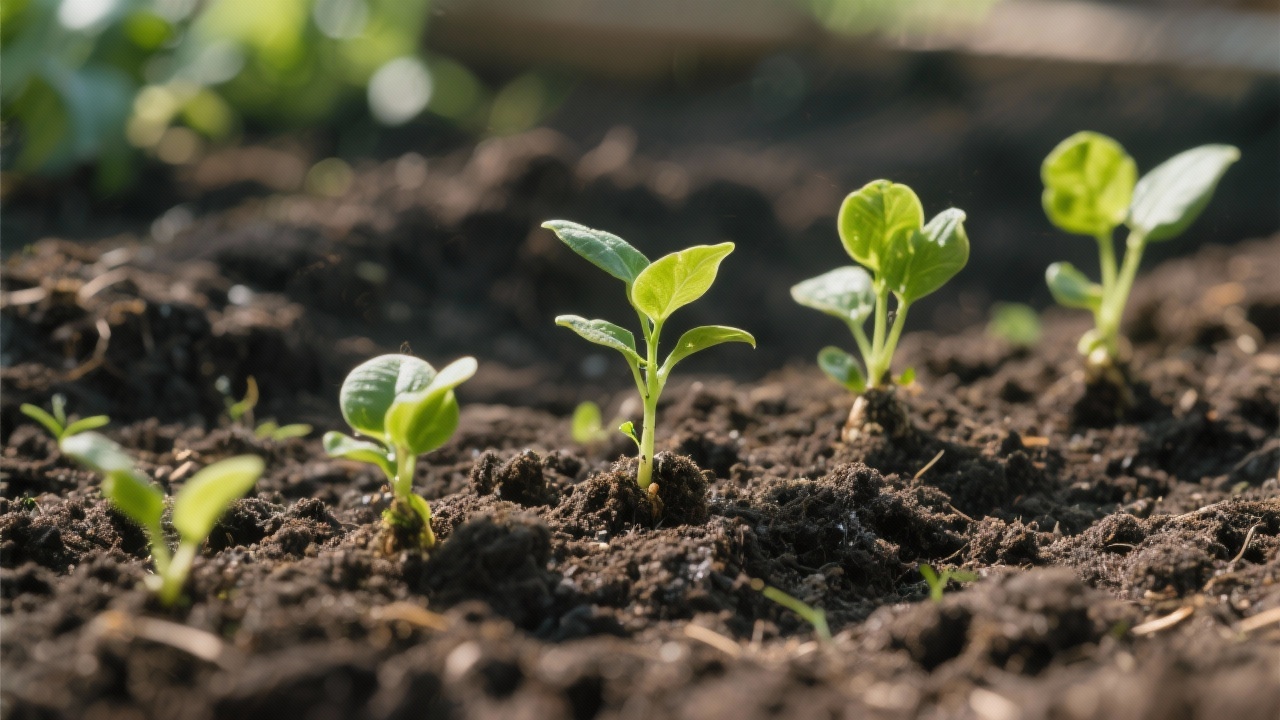
Expect germination to occur within 5 to 8 days under optimal temperature and moisture conditions, though this may extend slightly in cooler environments. During this critical period, monitor soil humidity carefully—the substrate should remain consistently moist but never waterlogged, as excess moisture invites fungal diseases. Once seedlings emerge and develop their first true leaves, typically within 2 to 3 weeks, maintain temperatures between 18°C and 22°C for robust growth. Provide at least 12 to 14 hours of daily light to prevent stretching and weak stems. Young Cornichon Adam plants are ready for transplanting outdoors or into larger containers once they display 3 to 4 true leaves and a strong root system—usually 4 to 5 weeks after sowing. This patient, methodical approach ensures vigorous plants capable of producing abundant, crisp cucumbers throughout the growing season in your vegetable garden.
À retenir
- Temperature : 18-25°C during daytime, 15-20°C at night
- Humidity : Moderate to high, 60-70% relative humidity
- Light : Full sun, 6-8 hours of direct sunlight daily
- Transplanting : When 3-4 true leaves have developed, 3-4 weeks old
Conditions and Preparation for Planting Pickling Cucumber Adam
Pickling cucumber Adam thrives when planted after the final frost date, when soil temperature reaches at least 16–18 °C and air temperature stabilizes between 20–25 °C. Begin soil preparation by removing weeds and loosening the planting bed to a depth of 25–30 cm, incorporating 2–3 kg of mature compost or enriched organic soil per square meter to improve water retention and nutrient availability. Young seedlings require 7–10 days of acclimatization in a sheltered, semi-shaded location before transplanting into the garden, gradually exposing them to outdoor light and air movement to strengthen their stems and reduce transplant shock. Before planting, gently rinse the root system to remove excess growing medium, then trim any excessively long or damaged roots with clean scissors; this encourages lateral root development and faster establishment in the vegetable garden bed.
Planting and Installing Pickling Cucumber Seedlings
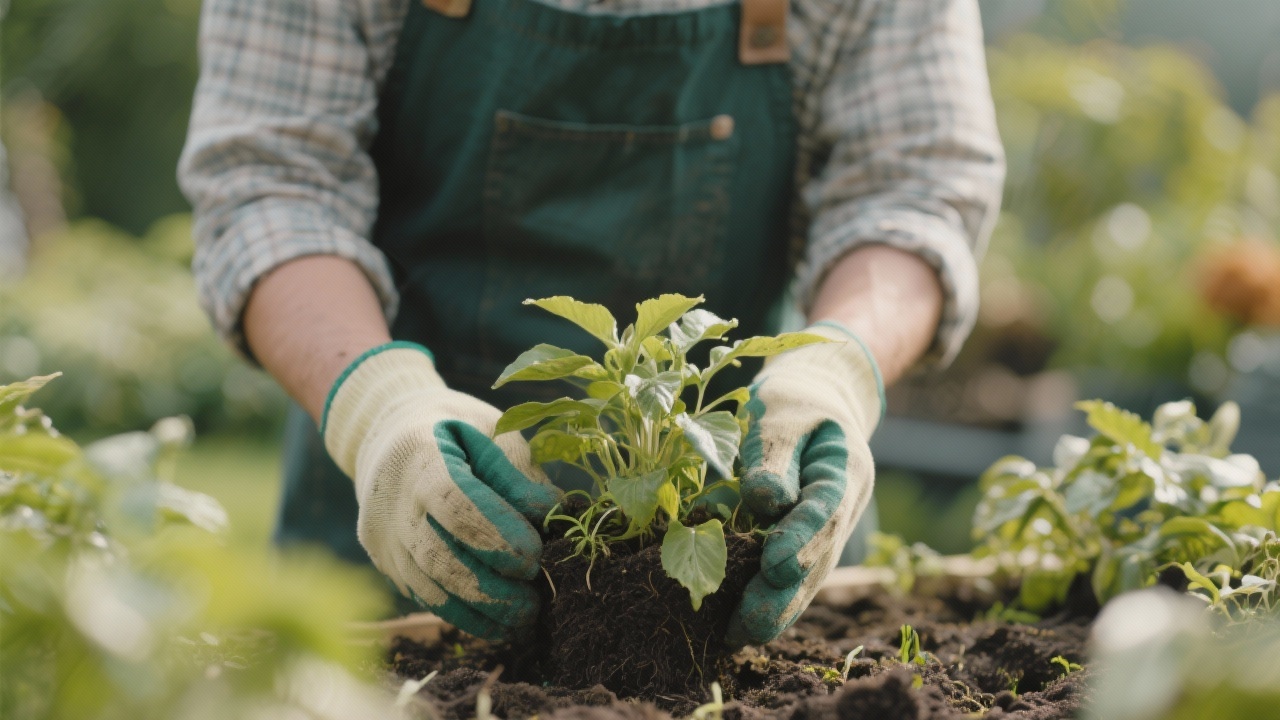
Plant seedlings so the collar—the junction between stem and roots—sits at soil level, avoiding burial of the lower leaves to prevent rot and disease in organic farming systems. Create a small planting basin around each seedling and water thoroughly until the soil is evenly moist, settling the substrate firmly around the roots. Space plants 40–50 cm apart within rows and 60–80 cm between rows to ensure adequate air circulation and light penetration. Immediately after planting, apply a 5–7 cm layer of organic mulch (straw, wood chips, or compost) around each plant to conserve soil moisture, regulate soil temperature, and suppress competing weeds. Install sturdy trellising or netting nearby to support the climbing vine structure of this cucumber variety, promoting upright growth and facilitating harvesting in productive vegetable gardens.
À retenir
- Depth : 2.5 cm deep in loose, fertile soil
- Espacement : 30-40 cm between plants, rows 90 cm apart
- Watering : Water thoroughly after planting, keep soil consistently moist
- Mulching/ Protection / Protection : Straw mulch 5-7 cm thick, protect young seedlings
Managing plant growth and vigor
Pickling cucumber 'Adam' thrives with consistent and deep watering, ideally 2–3 times weekly depending on soil moisture and ambient temperature, delivering approximately 25–40 mm per irrigation cycle to prevent water stress while avoiding waterlogging. Apply organic fertilization in split doses: begin with well-decomposed compost or aged manure at the base during establishment, then supplement every 3–4 weeks with balanced organic inputs such as seaweed extract or plant-based fertilizers rich in nitrogen and potassium to sustain vigorous vine development. Regular hoeing around the root zone removes competing weeds and improves soil aeration without damaging shallow roots, while a 5–8 cm organic mulch layer—comprising straw or shredded leaves—conserves moisture, moderates soil temperature, and suppresses spontaneous vegetation. As vines elongate, gentle trellising or support systems optimize air circulation, reduce disease pressure, and facilitate maintenance access. Maintain consistent plant spacing to allow adequate foliage canopy development while preserving light penetration within the crop.
Health protection and environmental balance
Monitor plants regularly for early warning signs of fungal diseases such as powdery mildew or downy mildew, and common pests including spider mites and cucumber beetles, intervening promptly at initial detection stages. Adopt integrated pest management principles by encouraging beneficial insects through companion planting, applying neem oil or sulfur-based solutions only when pest populations exceed manageable thresholds, and removing affected foliage to limit pathogen spread. Optimize environmental conditions by ensuring adequate air flow, avoiding overhead irrigation that prolongs leaf wetness, and providing partial shade during extreme heat stress. Crop rotation with non-cucurbit families across seasons substantially reduces soil-borne disease carryover, while strategic intercropping with aromatic herbs or legumes enhances ecosystem balance and naturally repels certain pests, fostering a resilient and ecologically sound vegetable garden.
À retenir
- Typ of soil : Sandy loam, rich organic matter, pH 6.0-6.8, well-draining soil
- Care : Gentle hoeing, remove weeds, apply balanced compost monthly, support vines
- Watering : Water deeply 2-3 times weekly, 2.5-5 cm soil moisture consistent
- Prevention: Mulch 5-8 cm, use floating row covers, practice crop rotation yearly
Harvest Time and Conditions for Pickling Cucumber Adam
Pickling Cucumber Adam reaches harvest maturity approximately 50–60 days after transplanting, when fruits measure between 8 and 12 centimeters in length with a firm, dark green skin and uniform diameter. Early and frequent harvesting encourages continued flowering and fruit production throughout the growing season. The optimal time to pick is in the early morning, when air humidity is naturally high and temperatures remain cool, typically between 15 and 20°C, ensuring maximum crispness and reduced stress on the plant. This timing preserves the natural bloom and minimizes water loss immediately after cutting. Harvest frequency should occur every 2–3 days during peak production, as allowing fruits to mature beyond the ideal stage reduces their suitability for pickling and diminishes overall yield quality. Regular picking from a healthy vegetable garden typically yields 15–20 kilograms per 10 square meters, though yields depend on growing conditions, plant vigor, and harvest consistency throughout the season.
Harvesting Methods and Post-Harvest Storage
Use clean, sharp pruning shears or a small knife to cut the cucumber stem cleanly, avoiding twisting or pulling that may damage the vine. Handle freshly harvested fruits gently, placing them in shallow containers to prevent bruising and oxidation of the delicate skin. Immediately after harvesting, sort fruits by size and remove any with blemishes or defects, following good agricultural practices and organic farming standards for quality assurance. Pre-cooling within 2–4 hours of harvest is recommended: rapidly reduce temperature to 10–12°C to maintain firmness and preserve the characteristic crunch essential for pickling applications. Store fresh fruit and vegetables at 10–12°C with relative humidity between 90 and 95 percent to prevent dehydration. Under optimal conditions, Pickling Cucumber Adam maintains excellent quality for 5–7 days. Transport harvested produce promptly to minimize postharvest respiration and preserve the freshness critical for successful preservation and storage.
À retenir
- Period : 70-80 days after planting, peak harvest 8-10 weeks
- Stage : 7-10 cm long, bright green, firm texture, before seeds mature
- Method : Sharp pruning shears, cut stem 1 cm above fruit, gentle twist
- Storage : Refrigerate 4-7 days, 90-95% humidity, perforated plastic bag
Crisp Texture and Fresh Flavor Profile for Everyday Cooking
The Pickling Cucumber Adam is prized for its firm, crunchy flesh and thin, tender skin—edible parts that make this garden vegetable exceptionally versatile in the kitchen. Its flavor profile is refreshingly mild and delicate, with a subtle vegetal sweetness and virtually no bitterness, making it ideal for both raw and cooked preparations. Raw, these cucumbers shine in salads, crudités, and cold appetizers, delivering an invigorating snap and clean taste that complements lighter vinaigrettes beautifully. For home cooks seeking culinary preparation methods, lacto-fermentation is the signature use—the small, uniform size and dense texture of Adam cucumbers make them naturally suited to pickling, where they absorb brines and aromatics (dill, garlic, mustard seeds, coriander) while maintaining their characteristic crispness. Brief blanching or light steaming (3–5 minutes) preserves their texture if gentle cooking is desired, though they rarely require extensive heat. The versatility of these fresh garden vegetables extends to cooked applications: quick sautéing with olive oil and fresh herbs, or incorporation into warm vegetable medleys where they contribute textural contrast.
Seasoning Strategies, Nutritional Value, and Storage Solutions
Pickling Cucumber Adam responds beautifully to acidic seasonings—red wine vinegar, apple cider vinegar, and fresh lemon juice—alongside aromatic herbs such as dill, tarragon, and parsley. A drizzle of extra virgin olive oil and fleur de sel enhance their natural flavor without overwhelming it. Nutritionally, these garden vegetables are predominantly water-rich, providing modest quantities of vitamin K, vitamin C, and fiber, along with trace minerals and hydrating electrolytes—a light, nutritious ingredient for health-conscious cooking. For storage and preservation, refrigerate fresh cucumbers in the crisper drawer for up to one week to maintain crispness. Long-term preservation methods include lacto-fermentation (3–4 weeks to full flavor development), traditional vinegar pickling, and freezing for cooked applications. Drying is less common but possible for herbal infusions or stocks. No significant toxins or precautions apply to this cucumber variety, making it entirely safe for raw and cooked consumption.
À retenir
- Flavor Profile : Firm, crunchy, mildly sweet, ideal for absorbing brine flavors
- Classic Uses : Dill pickles, cornichons, bread-and-butter pickles, relishes, raw
- Pairings : Dill, garlic, mustard seed, vinegar, peppercorns, bay leaf
- Storage : Refrigerate fresh 5-7 days, pickled in sealed jars several months
Plants compagnons