Hokkaido Pumpkin Solor
Cucurbita maxima
Deliciously sweet with a surprisingly nutty taste.- Excellent source of beta-carotene, vitamin A, potassium, and dietary fiber for overall wellness
- Supports healthy vision, boosts immune function, and promotes glowing skin from within
- Anti-inflammatory properties help reduce chronic disease risk and support heart health naturally

certifiées bio

Pays-Bas
Profil de la plante

Calendrier de culture
Conseils de culture
Sowing Conditions and Method for Potimarron Solor
Potimarron Solor, a variety of Cucurbita maxima, thrives best when sown directly into the open field or under cover in a greenhouse, depending on your climate zone. This winter squash prefers sowing into a rich, well-draining substrate composed of quality potting soil mixed with compost, which promotes healthy root development and prevents waterlogging. The ideal soil temperature for optimal germination ranges between 18–25°C, though warmer conditions of 20–24°C accelerate emergence. When sowing seeds, plant them at a depth of approximately 2–3 centimeters, roughly equivalent to twice the seed's thickness, to ensure proper contact with the soil while allowing the seedling to break through easily. Water gently but thoroughly after sowing, maintaining consistent humidity without creating soggy conditions, as excess moisture can cause seed rot. For organic farming practices, use untreated seeds and naturally enriched substrates free from synthetic chemicals, ensuring your vegetable garden follows sustainable gardening tips from the outset.
Germination Timeline and Development Monitoring
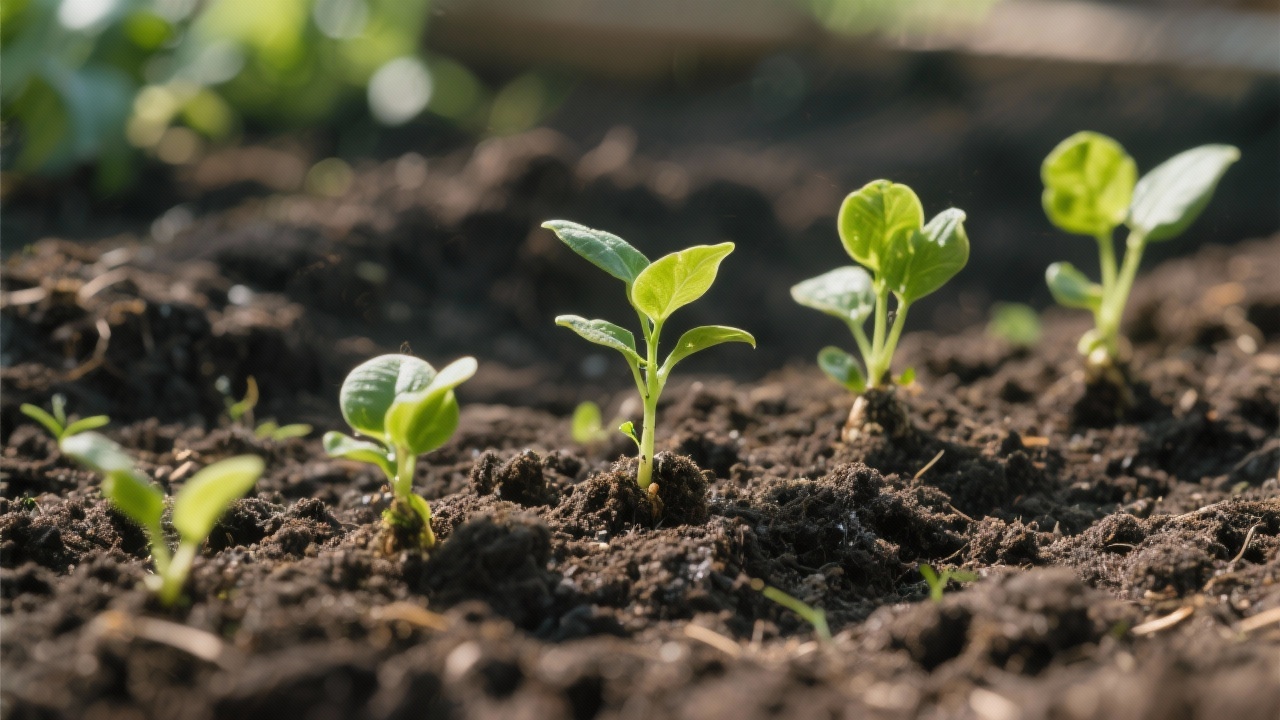
Germination of Potimarron Solor typically occurs within 7–14 days under optimal conditions, with seedlings emerging as the soil temperature remains warm and consistent. Monitor the seedbed carefully during this critical phase, ensuring the substrate stays moist but never waterlogged, as proper air circulation prevents fungal diseases common in greenhouse cultivation. Once the first true leaves appear, usually 10–15 days after emergence, gradually increase light exposure to encourage sturdy, compact growth rather than weak, elongated seedlings. For open field cultivation, harden off seedlings by exposing them to outdoor conditions progressively, a process lasting 7–10 days before final transplanting. Maintain ambient temperatures between 18–22°C during this phase for balanced development. By the time seedlings display 2–3 true leaves and reach 10–15 centimeters in height, typically 4–5 weeks after initial sowing, they are ready for transplanting into larger containers or directly into garden beds where they will develop into vigorous vines producing your winter squash harvest.
À retenir
- Temperature : 15-22°C daytime, no lower than 10°C at night
- Humidity : Moderate, 50-65% relative humidity around seedlings
- Light : Bright indirect light, 6-8 hours daily sunlight exposure
- Transplanting : When 3-4 true leaves developed, 10-15 cm tall
Conditions and Preparation for Planting Hokkaido Pumpkin Solor
The ideal planting period for Hokkaido pumpkin seedlings falls between late spring and early summer, once soil temperatures consistently reach 18–20°C and air temperatures stabilize above 15°C, with all frost risk eliminated from your region. Begin soil preparation by thoroughly weeding and loosening the planting bed to a depth of 30 cm, then incorporate 2–3 kg of mature compost or enriched organic soil per square meter to enhance water retention and nutrient availability. Young pumpkin seedlings require a gradual acclimatization period of 7–10 days before transplanting, during which they are exposed progressively to outdoor light and temperature fluctuations to harden their tissues and prevent transplant shock. Just before planting, gently prune the roots if they appear densely coiled in the container, and soak the root ball in lukewarm water for 15–20 minutes to ensure full hydration and optimal root-to-soil contact when installed in the vegetable garden.
Planting and Installing the Hokkaido Pumpkin Seedling
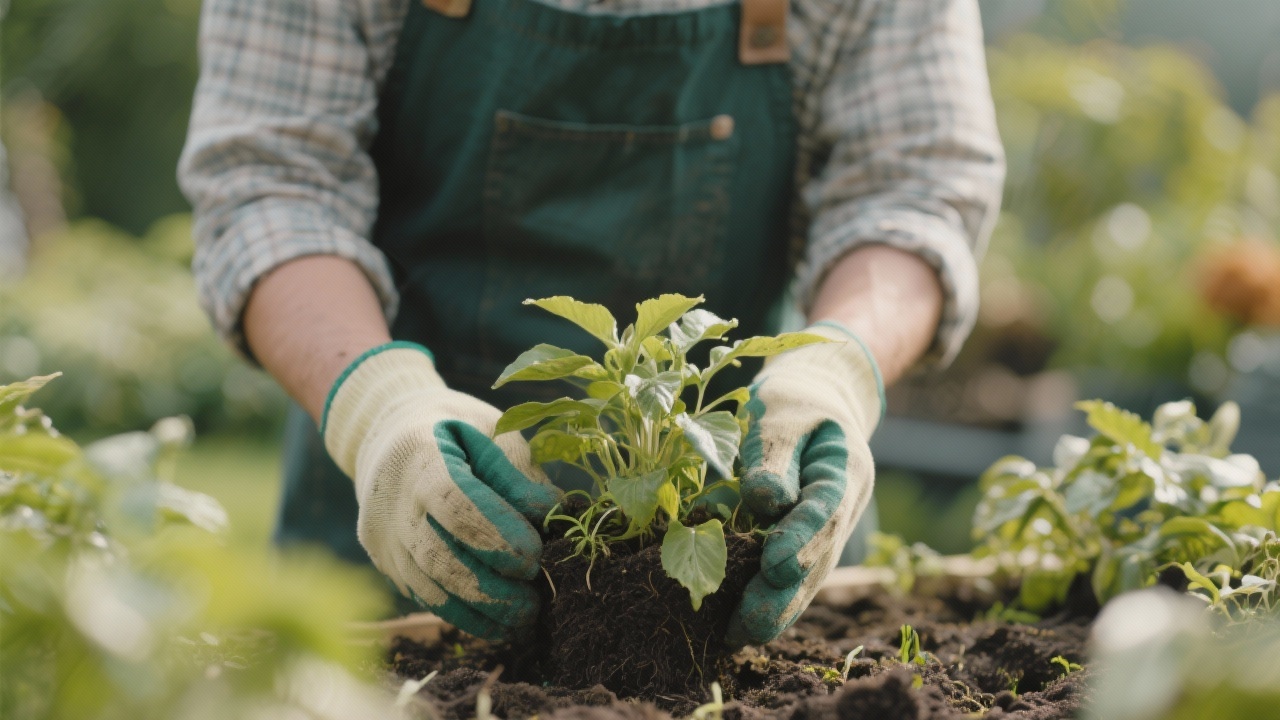
Plant each seedling at a depth where the soil collar—the junction between stem and roots—sits just at ground level, avoiding burial of the lower leaves which could invite fungal disease in organic farming systems. After positioning the plant, gently compact the surrounding soil with your hands and water generously in a basin method until the substrate is thoroughly moistened to 15 cm depth. Space individual plants 90–120 cm apart with 150–200 cm between rows to accommodate the vigorous, sprawling vine growth characteristic of this pumpkin variety. Immediately apply a 5–8 cm mulch layer of straw or organic matter around each plant, maintaining a 10 cm gap from the stem to suppress weeds and conserve soil moisture during the critical establishment phase of successful vegetable production.
À retenir
- Depth : 2-3 cm deep in well-prepared fertile soil
- Espacement : 90-120 cm between plants, rows 150 cm apart
- Watering : Water thoroughly after planting, keep soil consistently moist
- Mulching/ Protection / Protection : Apply 5-8 cm organic mulch to retain moisture and suppress weeds
Managing Plant Growth and Vigor
Hokkaido pumpkins thrive with consistent and deep watering, particularly during flowering and fruit development stages; aim for 25–40 mm weekly through drip irrigation or soaking to maintain soil moisture without waterlogging, which invites Phytophthora and root rot. Establish a balanced fertilization program using well-decomposed compost or aged manure incorporated at planting, then apply organic amendments—such as seaweed extract or fish emulsion—every 3–4 weeks during the vegetative phase to support vigorous vine extension. Once flowering begins, shift to phosphorus-rich inputs to encourage fruiting. Maintain the growing area through regular hoeing and weeding to reduce competition for nutrients; apply a 5–8 cm layer of organic mulch (straw or shredded leaves) around plants to suppress weeds, regulate soil temperature, and conserve moisture. Hokkaido pumpkins develop long, sprawling vines, so ensure adequate spacing (approximately 1.5–2 m between plants) for air circulation. Light pruning of excessive lateral shoots can redirect energy toward main fruit development, though avoid heavy cutting that stresses the plant.
Health Protection and Environmental Balance
Regular monitoring for powdery mildew, downy mildew, and vine borers is essential; inspect leaf undersides weekly and remove affected foliage promptly. Prevent fungal diseases through ecological practices: ensure morning watering to minimize leaf wetness, maintain robust air flow, and avoid overhead irrigation. Deploy integrated pest management by encouraging beneficial insects and using organic controls—neem oil or sulfur dust—only when pest populations exceed economic thresholds. Optimize environmental conditions by providing full sun exposure (6–8 hours minimum) and protecting vines from strong winds that damage developing fruit. Implement crop rotation by avoiding planting Hokkaido pumpkins or related Cucurbitaceae in the same bed for at least 3 years, reducing pathogen buildup and soil depletion. Intercropping with aromatic herbs or legumes strengthens the vegetable garden ecosystem, fixing nitrogen and attracting pollinators while deterring certain pests through natural allelopathy.
À retenir
- Typ of soil : Rich, sandy loam with good drainage, pH 6.0-6.8
- Care : Regular weeding, monthly organic compost, gentle soil cultivation
- Watering : Deep watering 1-2 times weekly, avoid leaf wetting
- Prevention: Mulch 5-8 cm thick, companion planting, rotate crop annually
Harvest Time and Conditions
The Hokkaido pumpkin Solor reaches optimal maturity approximately 90 to 110 days after transplanting, when the skin develops a deep orange hue and becomes uniformly firm to gentle pressure. Key ripeness indicators include a hardened rind that resists fingernail penetration and a completely dried stem that turns brown and woody. For best results in your vegetable garden, harvest during the coolest part of the morning, ideally between dawn and mid-morning, when temperatures remain moderate and the fruit retains maximum humidity within its flesh. Avoid picking immediately after rain or during intense heat, as these conditions compromise fruit quality and longevity. A single mature plant typically yields 2 to 4 fruits per season, and harvest should occur before the first frost, as frost exposure significantly reduces storage potential and eating quality.
Methods, Handling, and Storage
Use sharp cutting tools—a clean knife or pruning shears—to sever the fruit stem approximately 2 to 3 inches above the pumpkin, preserving the protective stem cap that enhances preservation. Handle each fruit with care, avoiding bruises and skin abrasions that invite oxidation and microbial decay. Following good agricultural practices, sort harvested fruits by size and inspect for damage, removing any compromised specimens. Allow freshly picked pumpkins to cure in a warm, well-ventilated space (75–80°F) for 7 to 10 days, which hardens the skin and heals minor cuts. Store fresh fruit and vegetables in a cool, dry environment maintaining 50–55°F with relative humidity between 50–70 percent—ideal conditions extend shelf life to 3 to 4 months. Ensure proper air circulation to prevent fungal issues, and transport harvested produce over short distances in clean, padded containers to preserve quality and support organic farming principles.
À retenir
- Period : Late summer to early autumn, 75-90 days after planting
- Stage : Deep orange color, hard rind, stem dried and brown
- Method : Cut with sharp pruners, leave 5-7 cm stem attached
- Storage : Cool dark place, 10-15°C, 50-60% humidity, 3-4 months
A Sweet and Creamy Autumn Vegetable for Gourmet Home Cooking
The Hokkaido pumpkin is prized by home cooks for its dense, buttery flesh and naturally sweet flavor profile, making it one of the most versatile garden vegetables for culinary use. The entire fruit is edible—the tender skin softens during cooking and requires no peeling, while the flesh develops a velvety, melt-in-the-mouth texture when roasted, steamed, or simmered. This makes it ideal for roasting whole or in wedges at moderate oven temperatures until caramelized, or for sautéing in cubes with garlic and herbs. The seeds are equally valuable, toasted until crispy for garnishes or eaten raw. Hokkaido pumpkin pairs beautifully with sage, thyme, and rosemary, while its subtle sweetness complements spices like cinnamon, nutmeg, and ginger. It shines in both savory preparations—risottos, soups, and grain bowls—and sweet applications, absorbing flavors while maintaining its creamy structure through extended cooking.
Nutrition, Seasoning, and Intelligent Storage for Year-Round Enjoyment
Season this garden treasure with extra-virgin olive oil, walnut oil, or tahini to enhance its natural richness, finishing with lemon juice or aged vinegar for brightness. Nutritionally, Hokkaido pumpkin delivers beta-carotene, fiber, and potassium, while remaining low in calories—ideal for health-conscious cooks. The flesh is perfectly safe eaten raw in thin slices for salads, though most gardeners prefer cooked preparations for optimal digestibility and flavor concentration. For storage, whole pumpkins keep for several weeks in cool, dark conditions, while cooked flesh freezes exceptionally well in airtight containers for up to three months. Roasted purée can be frozen in portions or dried slowly in a low oven for pantry-stable chips, extending your harvest's culinary value throughout autumn and winter cooking seasons.
À retenir
- Flavor Profile : Rich, sweet, chestnut-like flavor with dense creamy flesh
- Classic Uses : Roasted (skin on), soups, purées, curries, pies, tempura
- Pairings : Ginger, coconut milk, sage, cinnamon, miso, brown butter
- Storage : Store whole in cool dry place 3-4 months, cut pieces refrigerate 5 days
Plants compagnons