Batavia Lettuce Blonde De Paris
Lactuca sativa
A crisp and bountiful harvest that stands up to summer heat.- Rich in vitamin K, folate, and beta-carotene, supports bone health and vision
- High water and fiber content promotes healthy digestion and natural weight management
- Contains antioxidants that combat oxidative stress and reduce inflammation risks

certifiées bio

Pays-Bas
Profil de la plante

Calendrier de culture
Conseils de culture
Sowing Conditions and Method for Blonde de Paris Batavia Lettuce
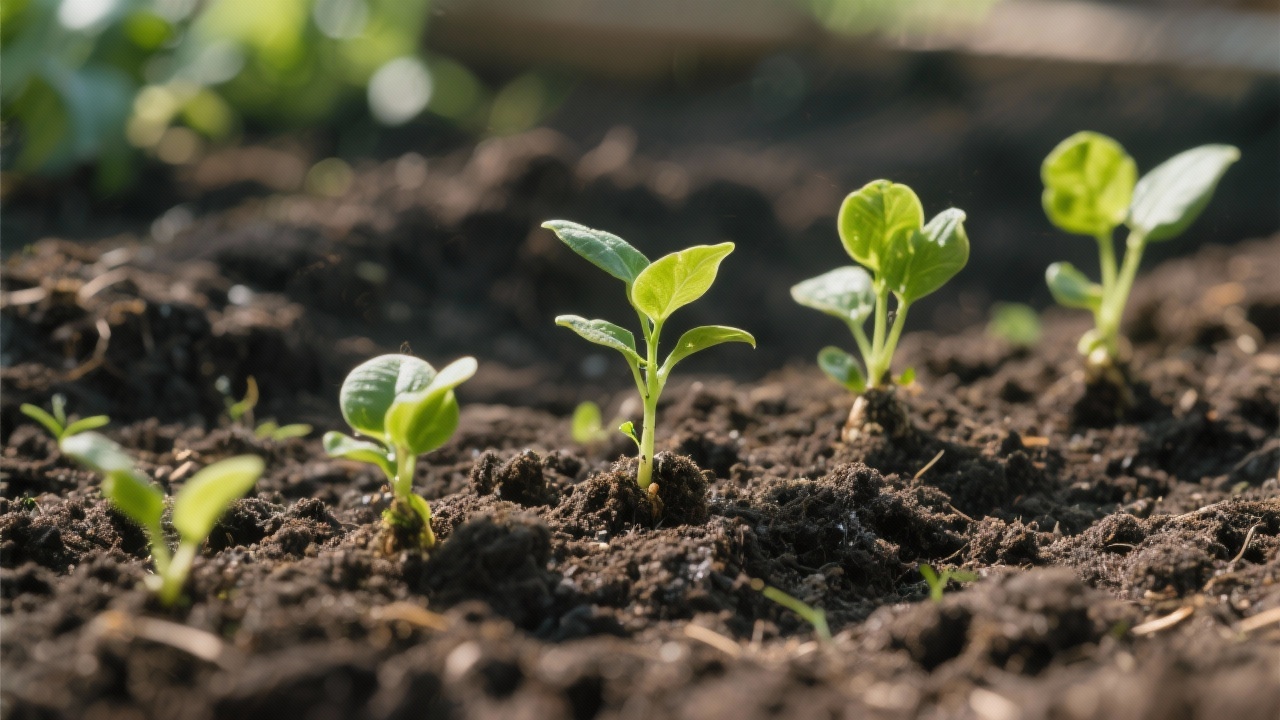
Blonde de Paris Batavia lettuce can be sown either directly in the open field or started indoors under controlled conditions for later transplanting. For optimal results, prepare a well-draining substrate composed of peat moss, coconut coir, and perlite, which promotes healthy root development and prevents waterlogging. The ideal soil temperature for germination ranges between 15–20°C, with air temperatures ideally maintained between 18–22°C. Sow seeds at a shallow depth of approximately 0.5 cm—roughly equivalent to twice the seed's own diameter—pressing them gently into the moist substrate without burying them too deeply. Germination requires light, so ensure seeds remain near the soil surface. Water the seedbed with a fine mist or gentle spray to maintain consistent humidity without creating waterlogged conditions. This careful approach to substrate moisture is essential for reliable seed emergence and is a cornerstone of successful vegetable gardening.
Germination Progress and Seedling Management
Batavia lettuce seeds typically germinate within 7–10 days under favorable conditions, with seedlings emerging rapidly once soil moisture and temperature are adequate. Monitor the seedbed closely during this critical phase, maintaining steady moisture levels and ensuring adequate light exposure to prevent weak, leggy growth. Within 3–4 weeks, seedlings will develop their first true leaves and be ready for transplanting into the vegetable garden or larger containers. Whether cultivating in a greenhouse or preparing for open field cultivation, keep growing conditions cool and bright to encourage compact, healthy development. This attention to detail during the early sowing phase is particularly valued in organic farming practices, where strong seedlings establish better resistance to environmental stress and disease. Regular observation ensures successful transition from emergence to vigorous growth.
À retenir
- Temperature : 15-20°C daytime, 10°C minimum soil temperature
- Humidity : Moderate, consistent soil moisture without waterlogging
- Light : Partial shade transitioning to full sun, 4-6 hours daily
- Transplanting : When 2-4 true leaves developed, 3-4 weeks old
Conditions and Preparation for Planting Batavia Blonde de Paris Lettuce
Batavia Blonde de Paris lettuce thrives when planted during spring and early autumn, when air temperatures range between 15–20°C and soil temperature reaches at least 10–12°C, ensuring frost-free conditions for optimal seedling establishment. Begin by thoroughly preparing your vegetable garden bed through weeding and loosening the soil to a depth of 20–25 cm, then incorporate mature compost or enriched organic substrate to improve soil structure and nutrient content. Before transplanting young seedlings into the garden, acclimatize them gradually over 7–10 days by exposing them to outdoor conditions for increasing periods, hardening the plants and reducing transplant shock. Gently prune the roots of seedlings by trimming any excessively long or damaged root tips, and consider soaking the root ball briefly in water just before planting to ensure full hydration and better soil contact in your vegetable beds.
Planting and Installing Batavia Blonde de Paris Seedlings
Plant seedlings so that the collar—the transition zone between stem and roots—sits just at soil level, avoiding burial of leaves which could promote rot in your organic garden. After positioning each seedling, gently compact the surrounding soil and immediately water in a basin around the base to settle the substrate and eliminate air pockets. Space plants 25–30 cm apart with 30–35 cm between rows, allowing adequate air circulation and room for leaf development. Apply a 3–5 cm layer of organic mulch (straw or shredded leaves) around each plant to conserve soil moisture, regulate temperature, and suppress weed competition in your vegetable growing area, ensuring successful regrowth and establishment.
À retenir
- Depth : 1-2 cm shallow, barely cover seed
- Espacement : 20-25 cm between plants, rows 30 cm apart
- Watering : Gentle water after planting, keep soil consistently moist
- Mulching/ Protection / Protection : Light organic mulch 2-3 cm, protect from heat
Managing Plant Growth and Vigor
Batavia Blonde de Paris thrives with consistent irrigation providing 25–30 mm per week, adjusted according to rainfall and soil moisture; drip watering or soaker hoses prevent leaf wetness while maintaining soil water availability at the critical expansion phase. Organic fertilization should be split across the growing cycle, beginning with a nitrogen-rich input (compost or aged manure) at establishment, then a balanced NPK supplement (seaweed extract or fish emulsion) every 3–4 weeks to sustain leaf production without excessive bolting. Regular hoeing and shallow weeding every 10–14 days remove competing plants and improve soil aeration around the root zone, while a 3–5 cm layer of mulch (straw or grass clippings) conserves moisture, regulates temperature, and suppresses weed germination. Maintain plant spacing of 25–30 cm to allow adequate air circulation and reduce fungal pressure; no staking or pruning is necessary for this leafy variety.
Health Protection and Environmental Balance
Monitor plants weekly for early signs of fungal diseases (grey mold, powdery mildew) and common pests (aphids, slugs), particularly in humid or sheltered conditions. Integrated pest management prioritizes cultural practices—removing affected leaves promptly, ensuring proper spacing, and avoiding overhead watering—before resorting to gentle interventions such as neem oil or copper fungicides on proven threats. Optimize environmental conditions by providing partial shade during heat waves (>25°C) and ensuring good ventilation to minimize excess humidity. Crop rotation with non-Asteraceae families (legumes, brassicas) over 2–3 seasons prevents soil-borne pathogen buildup and nutrient depletion, while intercropping with aromatic herbs (chives, parsley) naturally deters pests and promotes a balanced, ecologically resilient vegetable garden.
À retenir
- Typ of soil : Light, well-draining loamy soil, pH 6.0-6.8, rich organic matter
- Care : Regular light weeding, monthly balanced organic fertilizer, remove dead leaves
- Watering : Consistent moisture, 25-30mm weekly, avoid waterlogging, morning watering
- Prevention: Use shade cloth in hot periods, rotate crop, remove infected plants quickly
Harvest Time and Optimal Picking Conditions
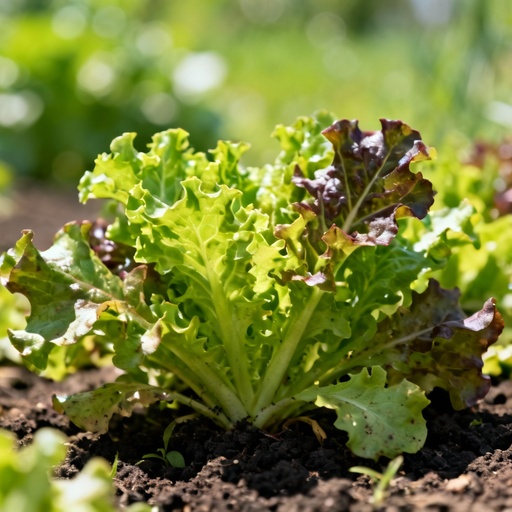
Batavia Blonde de Paris reaches harvest maturity approximately 60 to 70 days after planting, when the rosette displays full development with characteristic pale green, slightly crinkled leaves forming a compact head of 400 to 600 grams. The ideal indicator of ripeness is a firm, crisp texture combined with leaves that feel turgid and snap cleanly when gently flexed. For optimal results in your vegetable garden, harvest during early morning hours or late afternoon when temperatures are coolest and humidity levels are naturally elevated, avoiding the heat of midday which accelerates wilting. Weather conditions matter considerably—harvest on dry or lightly cloudy days rather than immediately after rain, as excess surface moisture promotes decay. Each plant typically yields a single, well-formed head; successive plantings ensure continuous supply of fresh vegetables throughout the growing season. Optimal picking temperature ranges between 10 and 15°C, conditions that preserve the lettuce's characteristic crispness and nutrient density while minimizing quality loss.
Cutting Methods, Handling, and Preservation Protocols
Execute harvesting using sharp, sterilized cutting tools—either a clean knife or pruning shears—cutting the entire head at soil level in a single, decisive motion to prevent stem crushing and oxidation. Handle harvested heads with care, cradling them gently to avoid bruising delicate outer leaves, a critical practice aligned with good agricultural practices and organic farming standards. Immediately after cutting, remove any damaged or soiled outer leaves and rinse gently under cool, clean water if necessary, then allow surface moisture to drain completely. Sort by quality and size to ensure uniform batches. For short-distance transport to market or storage, employ shallow crates with adequate ventilation rather than sealed containers. Store harvested Batavia Blonde de Paris at 4 to 8°C with relative humidity maintained between 95 and 98 percent—conditions best achieved in dedicated refrigeration units. Under these optimal conditions, quality and freshness are preserved for 7 to 10 days, though consumption within 3 to 5 days ensures peak organoleptic qualities and nutritional value for consumers demanding premium fresh vegetables.
À retenir
- Period : 45-55 days after sowing, early summer to early autumn
- Stage : Loose head forms, 15-20 cm diameter, leaves crisp
- Method : Cut outer leaves or whole plant at base
- Storage : Refrigerate 0-4°C, sealed bag, consume within 5-7 days
Delicate Crunch and Subtle Flavor: The Heart of Fresh Garden Salads
Batavia Blonde de Paris reveals its culinary magic through its tender, pale green leaves and crisp ribs, both entirely edible and delightfully crunchy when freshly harvested from the garden. This semi-head lettuce offers a mild, slightly sweet flavor with barely a whisper of bitterness, making it the perfect canvas for vinaigrettes and delicate dressings. The leaves are ideally enjoyed raw in fresh salads, where their melt-in-the-mouth texture shines alongside crispy vegetables, tender herbs like chervil and tarragon, and creamy plant-based or dairy accompaniments. For warm preparations, the outer leaves tolerate gentle sautéing or brief wilting in olive oil and garlic, retaining their subtle sweetness over just 2–3 minutes of heat. This versatile garden vegetable pairs beautifully with citrus vinaigrettes, hazelnut oil, fresh lemon juice, and aromatic combinations featuring shallots, Dijon mustard, and tender herbs, while complementing soft cheeses, nuts, and lightly poached proteins.
Nutritional Richness and Optimal Storage for Maximum Freshness
Season generously with cold-pressed oils, aged vinegars, and fleur de sel to elevate the lettuce's delicate profile. Batavia Blonde de Paris provides valuable vitamins A and K, fiber, and antioxidants, supporting digestive health and nutritional balance in your home cooking. The leaves contain no significant compounds requiring precaution, making them ideal for raw, everyday consumption. For short-term storage, wrap unwashed leaves loosely in damp cloth and refrigerate for up to 10 days; longer preservation through gentle freezing or lacto-fermentation is possible, though freezing diminishes the signature crunch. This garden favorite is best enjoyed at peak freshness, within days of harvest, when its tender leaves deliver maximum flavor and nutritional value to your kitchen.
À retenir
- Flavor Profile : Mildly sweet, slightly nutty, crisp crunchy leaves
- Classic Uses : Mixed salads, lettuce cups, sandwich layering, light wraps
- Pairings : Vinaigrette, mustard, fresh herbs, goat cheese, walnuts
- Storage : Refrigerate unwashed 5-7 days, wrap loosely in damp cloth
Plants compagnons